

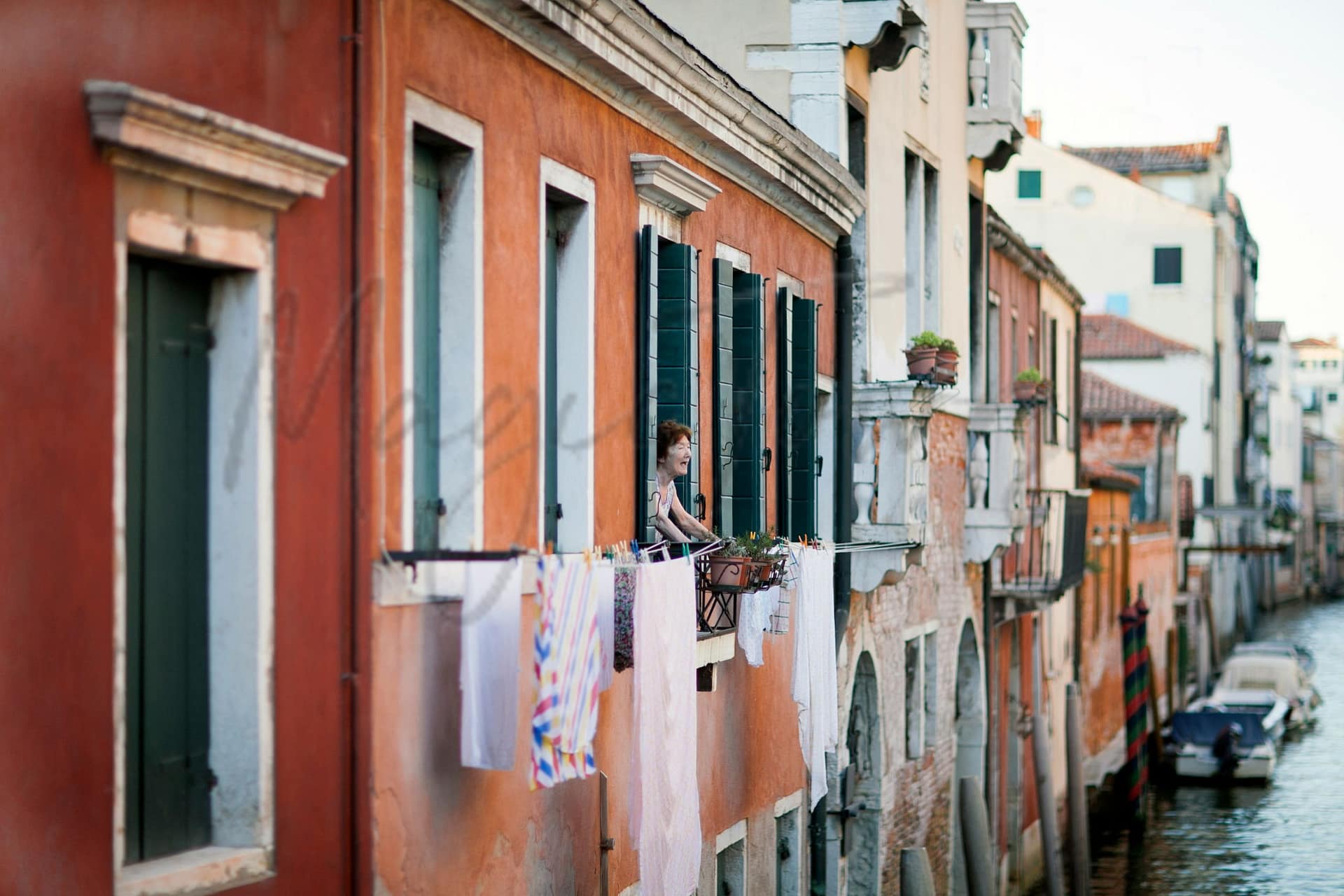
When we interview expats about their biggest cultural shocks while living in Italy, two answers pop up more than any others: bureaucracy (which, let’s be honest, most people already brace themselves for) and shops closing early.
That might sound like a small thing, but it actually says a lot about Italy’s relationship with time. Time here moves at a slower pace – no matter which city you choose – and it comes with habits that are surprisingly consistent across the country.
From Fast to Slow: What “Italian Time” Really Means
When I say that “Italian time” doesn’t completely disappear whether you’re in fast-paced northern cities or in the slower towns of the south, I mean it.
Take a city like Milan, for example. It’s full of people with busy corporate jobs, long hours, and packed schedules – but the tradition of meeting friends for an unhurried spritz after work is still alive, just as many companies still close for the entire month of August.
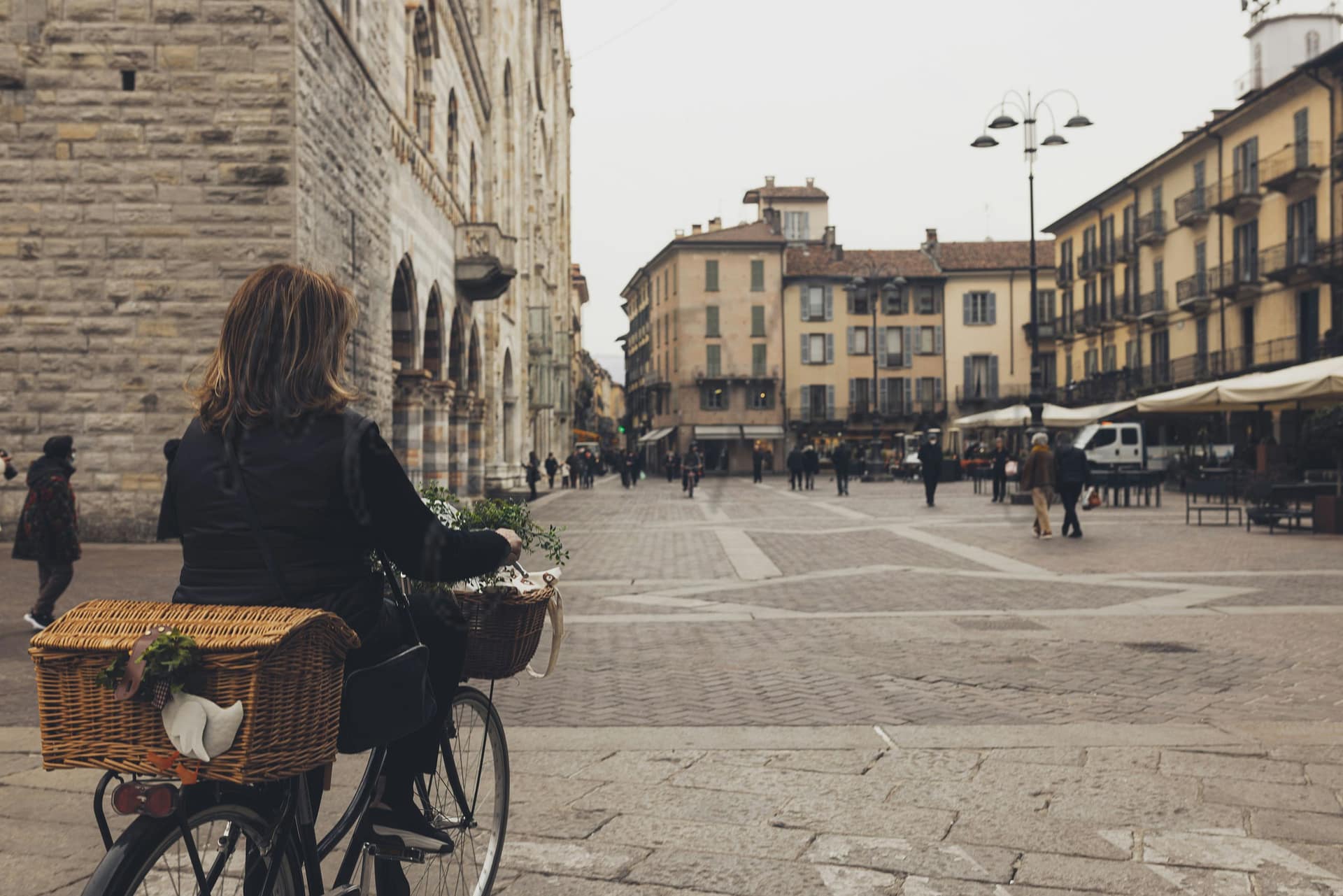
In smaller towns, you’ll notice other rhythms: shops closing between 12 and 3/3:30 pm, or restaurants refusing to serve dinner before 7 pm. And when you make plans with friends, you just assume they’ll be at least 15 minutes late (and much more than that if you’re in the south). Time here is elastic – and, oddly enough, sometimes that makes you even more productive.
Then there are the traditions rooted in deeper values, like family. If you’ve ever been invited to an Italian Sunday lunch, good luck. Expect to sit down at 1 pm and not get up until 4 pm (if you’re lucky).
How Italy’s Slow Life Boosts Wellbeing
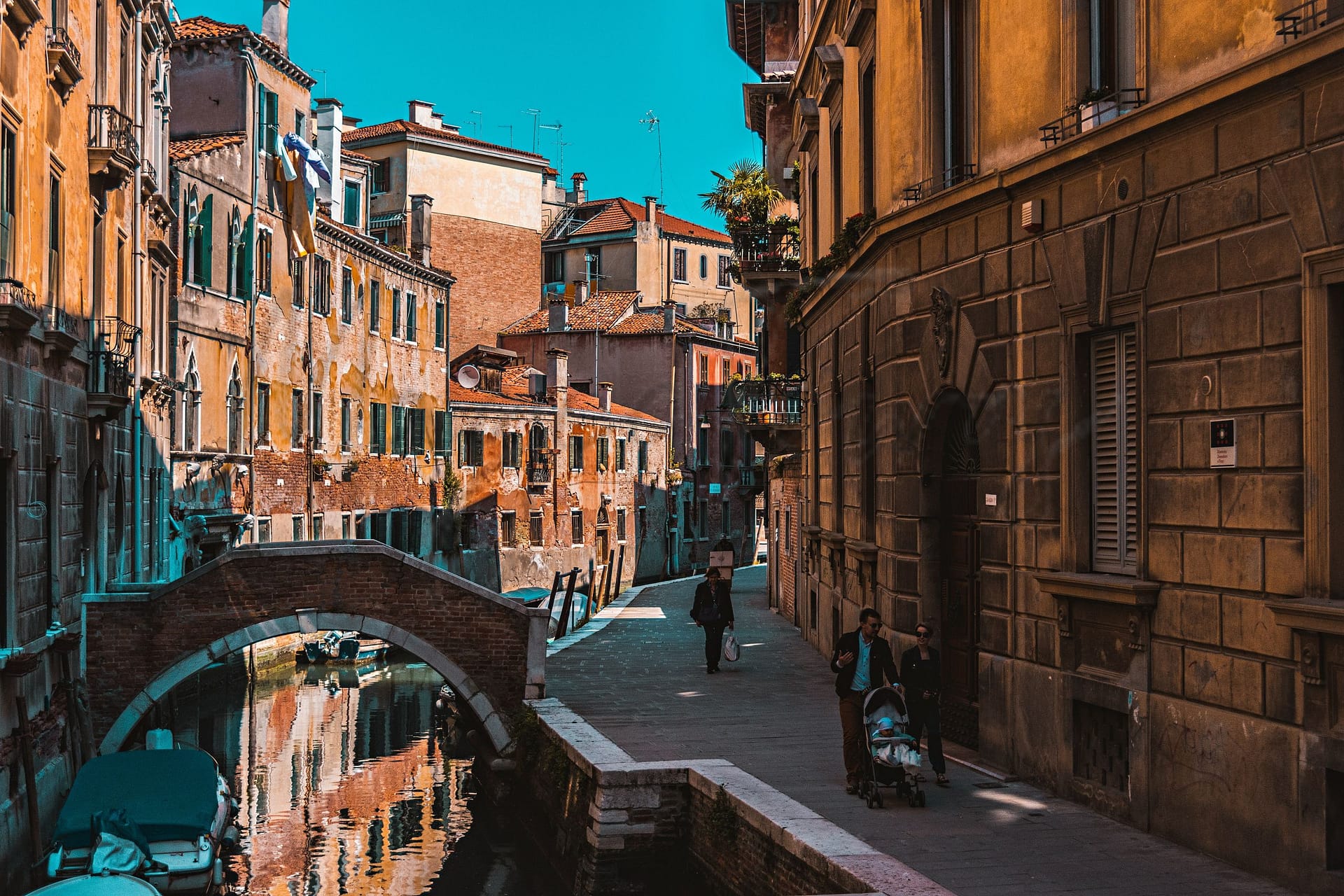
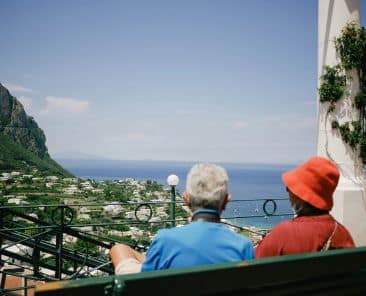
Many expats, especially those coming from big US cities, say this is one of the things that makes them fall in love with Italy. The built-in pauses throughout the day. The way a quick errand can turn into a 20-minute chat with a stranger in the supermarket line. That mix of human warmth and slowness is what most people like about living here.
And while Italy certainly has its flaws, the sense of wellbeing you feel here is no accident. It’s the result of habits that science actually backs up: slower living reduces stress and improves quality of life. It allows you to truly appreciate what’s around you without constantly wondering, “Should I be doing something more?”
Actually, according to a Harvard study, slow living doesn’t mean doing less, it means doing things with more intention and awareness. It’s about focusing on what really matters, valuing quality over quantity, and, in very practical terms, investing more in human relationships, even in the little daily interactions. All of this doesn’t just affect you on a “mind level” but more broadly impacts your overall health. And if you can combine that with living somewhere close to nature, as we’d say in Italian, “avete fatto il colpaccio” (= you’ve hit the jackpot).
Italy’s Regional Rhythms
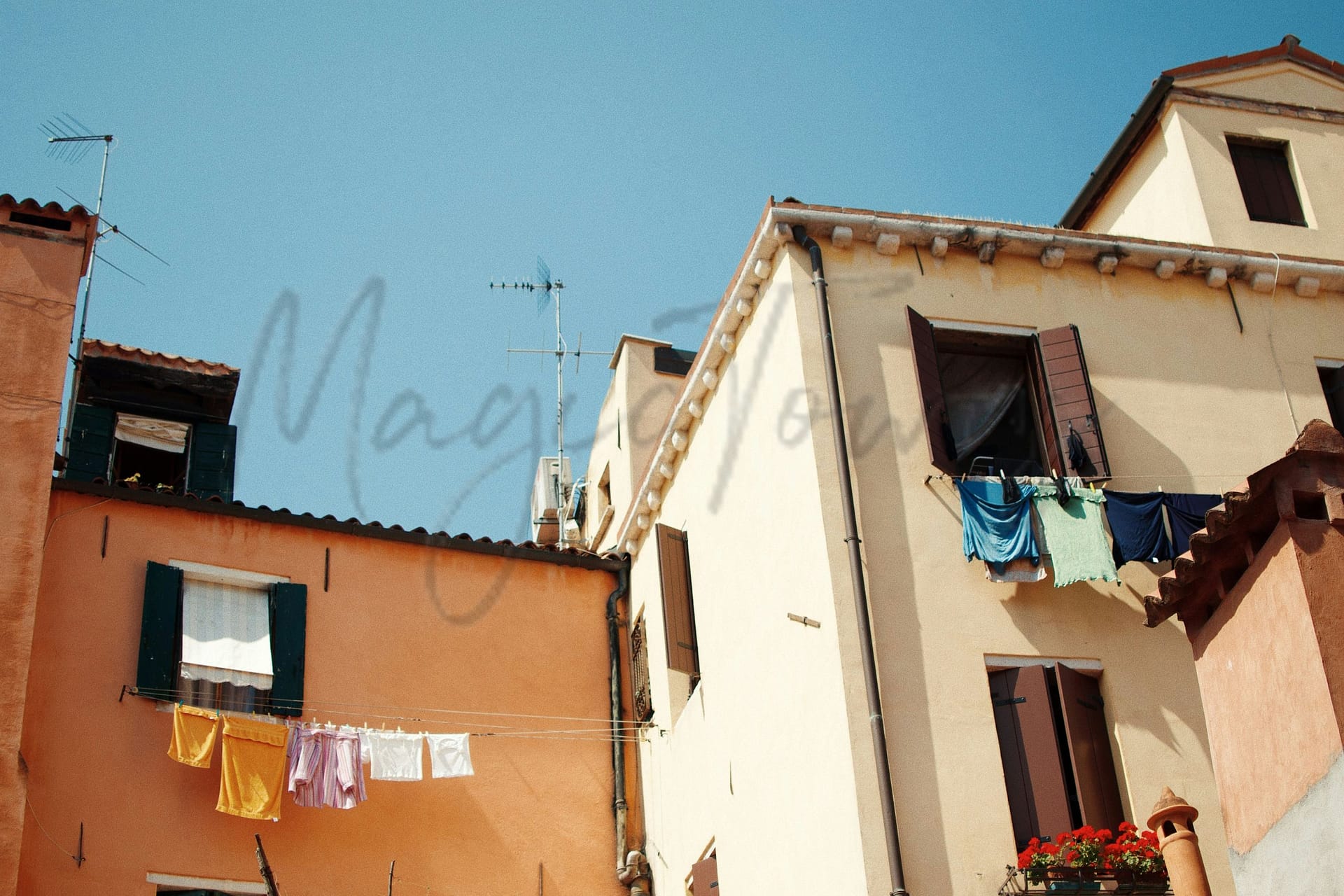
Of course, there are still big differences depending on where you live. In northern Italy, things tend to be more organized and punctual. In the south and on the islands, life runs slower and is often shaped by the seasons. That’s why you’ll still find the tradition of “la controra” or “pennichella” – so basically a nap during the hottest hours of the day, when everyone retreats indoors until the sun softens.
On that note, we recently wrote about Italy’s “cool towns”, so destinations where you can enjoy cooler weather year-round – without baking in the summer heat but without isolating yourself either.
If you’re curious about finding your ideal pace of life, our Town Explorer can help. Filter towns by climate, nearby infrastructure (hospitals, airports, etc.), and much more to discover the places that might be the perfect fit for you.







 English
 French
 German
 Italian
 Danish