

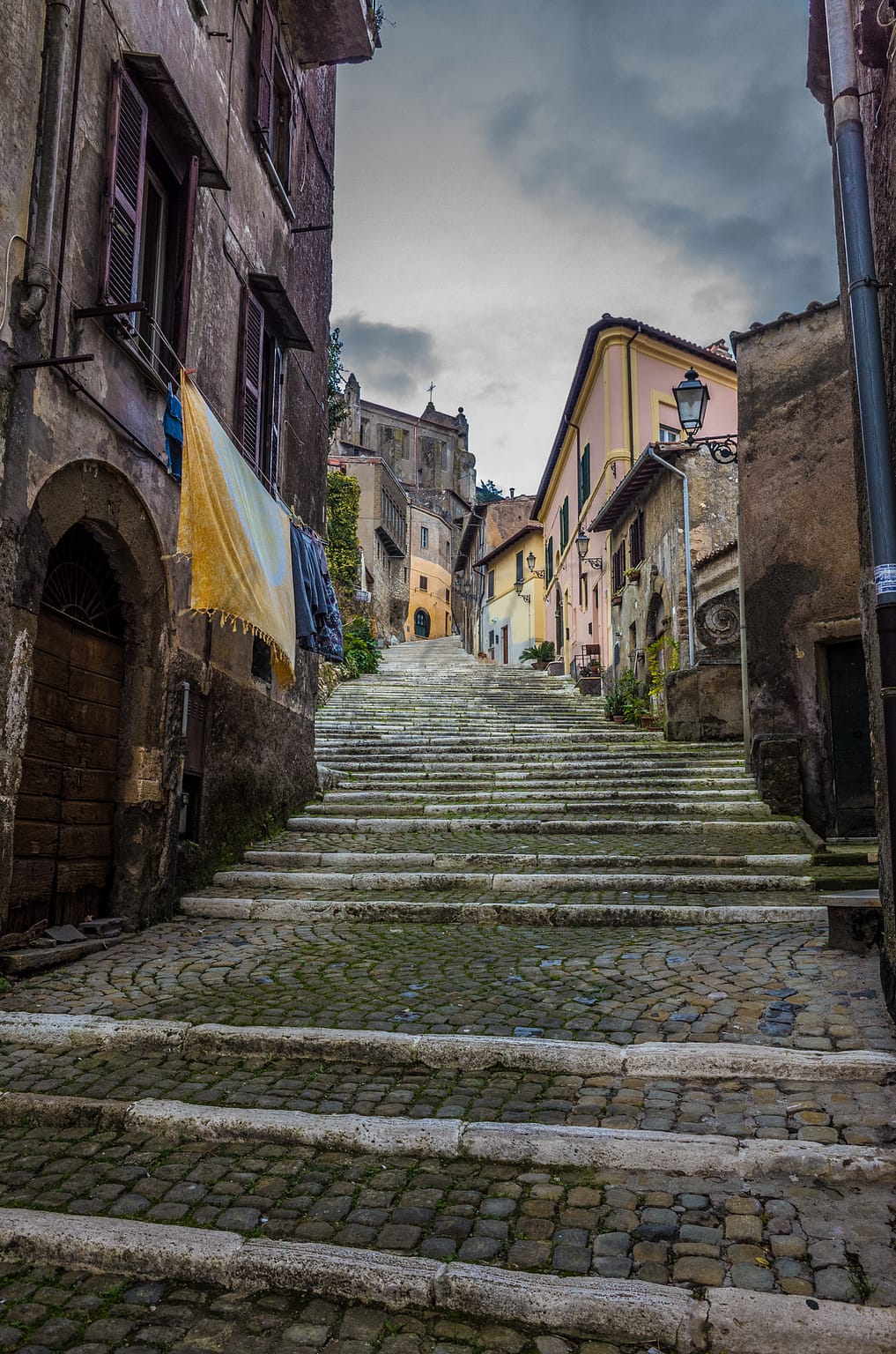
Palestrina
22,100 residents · 113,600 within 5 km · 415 m above sea level
What Palestrina is actually like
Palestrina, located in the picturesque Lazio region, offers an intriguing balance of history and vibrant culture. Just a short drive from Rome, it's renowned for its rich musical heritage as the birthplace of composer Giovanni Pierluigi da Palestrina. The town boasts several cultural attractions, including the Museo Casa Natale, which houses instruments and memorabilia that reflect its musical legacy. Additionally, the archaeological museum and the Sanctuary of Fortuna Primigenia highlight Palestrina’s ancient roots. For expats and retirees, Palestrina features a walkable environment with a strong sense of community, low traffic, and high-quality healthcare. While the cost of living can be high, daily life is generally comfortable thanks to well-developed public transport and digital connectivity. However, expats may find challenges with local language barriers and an overall safety score that requires caution. Nonetheless, its charm and amicable atmosphere make Palestrina an appealing destination for those seeking a blend of culture and tranquility.
How Palestrina is built
Post-war expanded comune
Building age, condition and occupancy from the ISTAT census (2011), by census section. Occupancy is shown as one honest split — the 2011 census does not reliably separate holiday homes from vacant ones.
Towns like Palestrina
Closest matches in Lazio on quality of life, infrastructure and economy.
- Monterotondo — Roma · 41,100 residents
- Genzano di Roma — Roma · 22,500 residents
- Cassino — Frosinone · 34,900 residents
- Santa Marinella — Roma · 18,400 residents
- Valmontone — Roma · 15,600 residents
- Ariccia — Roma · 17,900 residents
The rest of the Palestrina profile — cost of living, healthcare, climate, broadband, schools and the full pros & cons — is behind a free account.
 English
 French
 German
 Italian
 Danish