

Terni
106,300 residents · 130,900 within 5 km · 125 m above sea level
What Terni is actually like
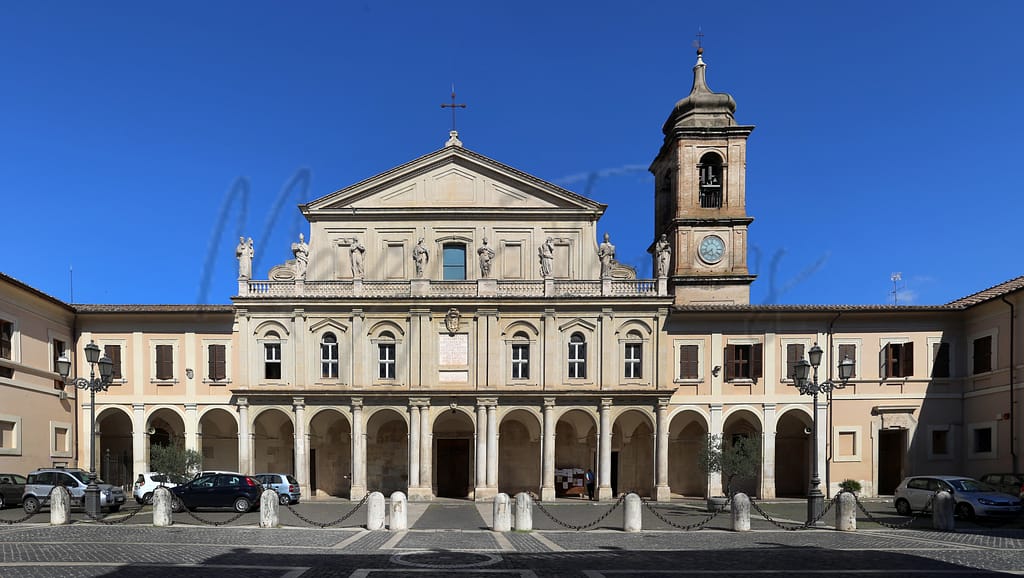
Terni, nestled in southeastern Umbria, is notable for its mix of historical significance and contemporary industry. The city is famous for the Marmore Falls, one of the tallest man-made waterfalls globally, alongside ancient Roman ruins like the amphitheatre and the archaeological park of Carsulae. Terni showcases a robust cultural life, with landmarks such as the Basilica di San Valentino and modern venues like the CAOS contemporary art museum. Local businesses leverage the region's natural beauty, particularly in tourism and artisanal crafts. While Terni offers historical charm and cultural depth, expats might find challenges in the integration process, as language barriers can pose difficulties. The city's industrial background, particularly in steel and manufacturing, contrasts with its serene landscapes, potentially influencing lifestyle choices for retirees. Despite these challenges, Terni's rich traditions and vibrant community life present a compelling case for long-term residency.
How Terni is built
Post-war expanded comune
Building age, condition and occupancy from the ISTAT census (2011), by census section. Occupancy is shown as one honest split — the 2011 census does not reliably separate holiday homes from vacant ones.
The rest of the Terni profile — cost of living, healthcare, climate, broadband, schools and the full pros & cons — is behind a free account.
 English
 French
 German
 Italian
 Danish