

Parma
198,700 residents · 282,900 within 5 km · 57 m above sea level
What Parma is actually like
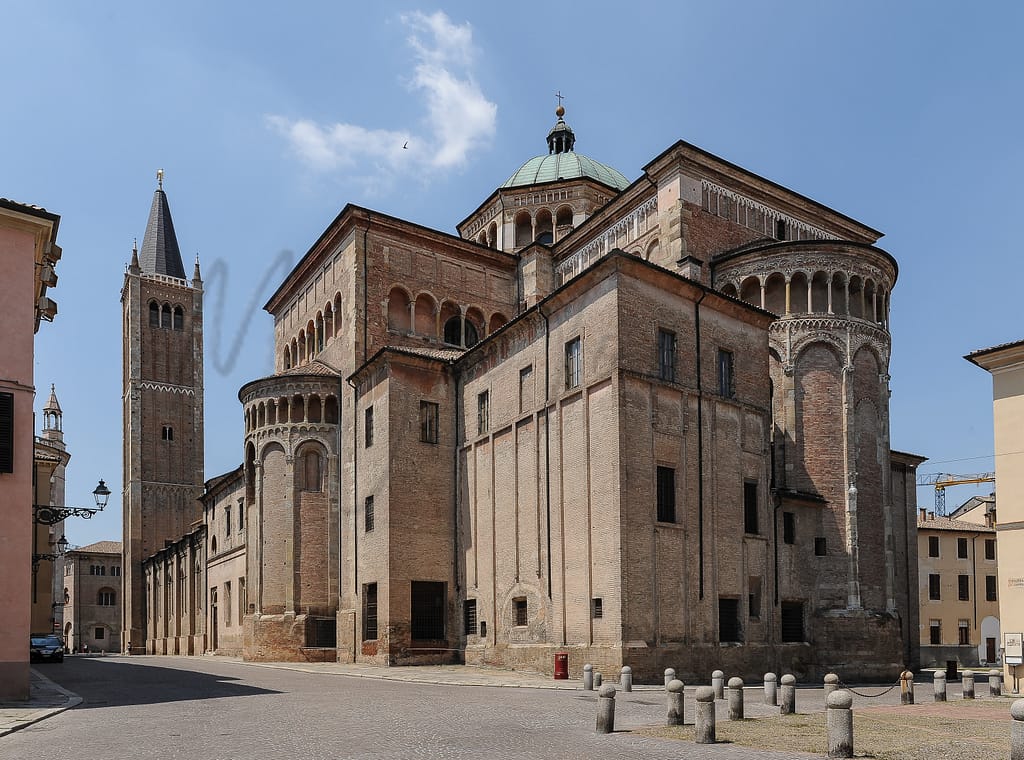
Nestled in the heart of Emilia-Romagna, Parma is a city rich in history and culinary tradition, making it an appealing destination for expats and retirees. Known for its world-famous Parmesan cheese and Parma ham, the city combines vibrant food culture with significant historical landmarks, including the stunning Duomo di Parma and the Teatro Regio. Parma was recognized as Italy's Capital of Culture in 2020, further cementing its reputation for arts and music, particularly opera, thanks to its connection with composer Giuseppe Verdi. While Parma enjoys a pedestrian-friendly layout and extensive green spaces, expats may find challenges in terms of local healthcare quality and limited access to major airports, the nearest being a short drive away. Furthermore, though the city offers a charming lifestyle, some might find it less dynamic compared to larger Italian cities. Nonetheless, Parma's rich cultural offerings and relaxed pace make it an attractive choice for many.
How Parma is built
Post-war expanded comune
Building age, condition and occupancy from the ISTAT census (2011), by census section. Occupancy is shown as one honest split — the 2011 census does not reliably separate holiday homes from vacant ones.
Towns like Parma
Closest matches in Emilia-Romagna on quality of life, infrastructure and economy.
- San Lazzaro di Savena — Bologna · 32,800 residents
- Pianoro — Bologna · 17,900 residents
- Fiorano Modenese — Modena · 16,700 residents
- Rubiera — Reggio nell'Emilia · 14,600 residents
- Casalgrande — Reggio nell'Emilia · 19,000 residents
- Anzola dell'Emilia — Bologna · 12,300 residents
The rest of the Parma profile — cost of living, healthcare, climate, broadband, schools and the full pros & cons — is behind a free account.
 English
 French
 German
 Italian
 Danish