

Elevation
[?]
Elevation of a city refers to the height above sea level at which the city is located, measured in meters.
183
Population
[?]
This is a town's official population, measured each year by the national statistics authority.
46400
Real Population (5km)
[?]
Our "Real Population" metric reflects more accurately a town's real size by including inhabitants in the immediate vicinity of the town's official borders.
196000
Air Quality Rating
[?]
Based on PM10, PM2.5, NO2, SO2, and ozone levels. Higher scores indicate cleaner air.
80
Region
Lazio
Walkability
Very Walkable
Housing availability
[?]
Based on total number of properties (sale and rent) classifies housing availability into five categories: low, relativel ylow, medium, relatively high and high.
Low
Avg Download Speed (Mbps) / Avg Upload Speed (Mbps)
158
/ 89
Climate Description
Warm summers, mild winters, rare snow, moderate rainfall, abundant sunshine.
Marino
Lazio
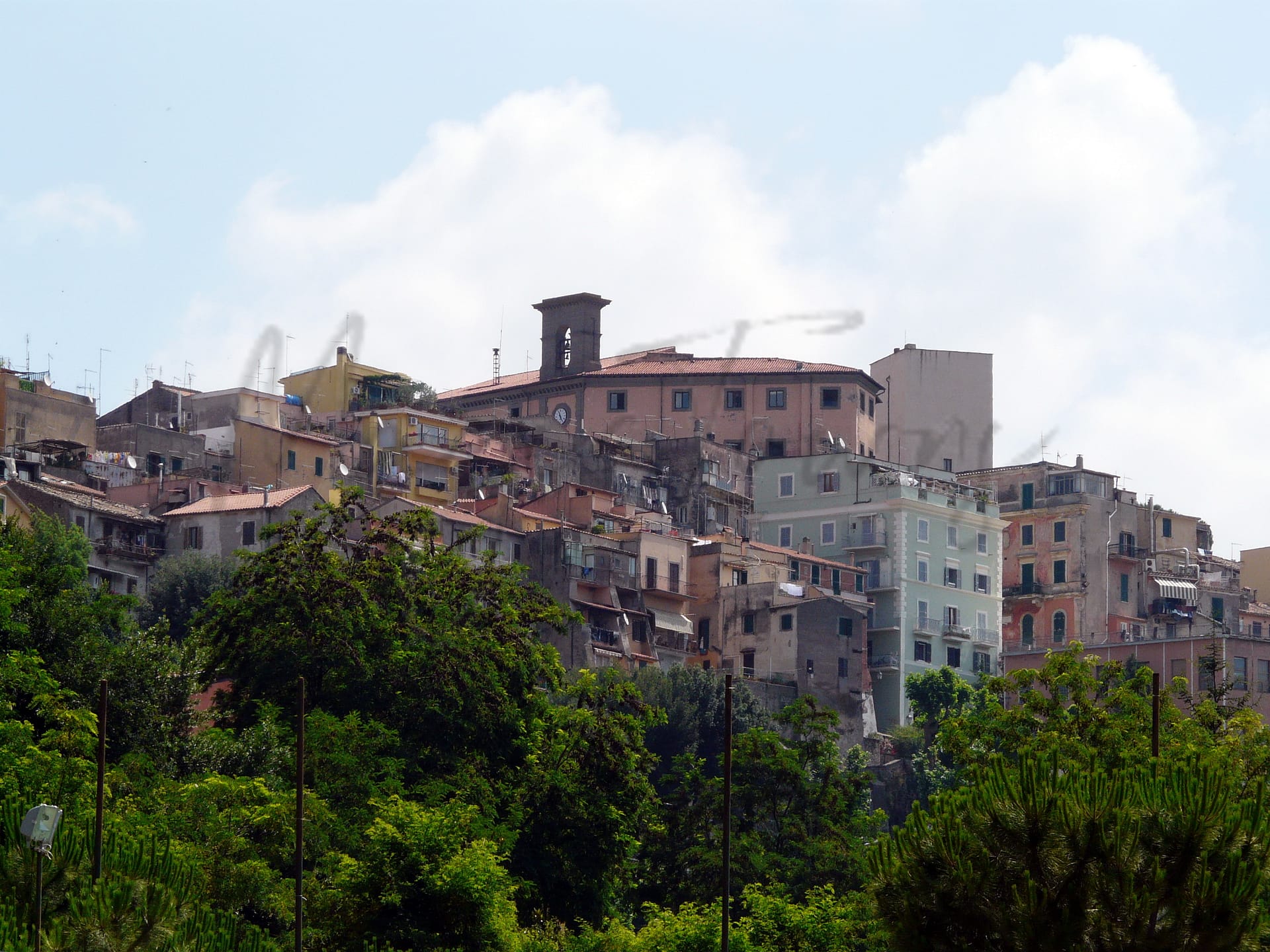
Historical town in Lazio known for wine, vineyards, Grape Festival, and serene lake views.
Quality of Life Score
[?]Factors in air quality, amenities, walkability, population, and environmental risks. Higher scores suggest better living conditions.
80
Quality of Infrastructure
[?]Measures internet speed, healthcare access, airports, rail, and walkability. Higher scores mean better connectivity and essential services.
69
Quality of Economy
[?]Based on income, property prices, job availability, and population density. Higher scores indicate stronger economic conditions.
70
Marino Demographics
Population
[?]
This is a town's official population, measured each year by the national statistics authority.
46400
Real Population (5km band)
[?]
Our "Real Population" metric reflects more accurately a town's real size by including inhabitants in the immediate vicinity of the town's official borders.
196000
Births Per 100 Deaths
80.0
Population Data Source
ISTAT,2023
Estimated Unemployment Rate
Touristy Index
[?]
Calculation of tourist density index for the city, comparing its total tourist number to the overall average tourist number of the region
relative to its own population.The index indicates how a location’s tourist density compares to the average, with values above
100 representing higher-than-average density and values below 100 representing lower-than-average density.
Not Touristic
Income per capita (2023)
[?]
This is an estimation of average income per resident for this town, based on 2023 data from the Italian Ministry of Finance.
22600
Income rank in Italy (2023)
[?]
This is a ranking of the town's average income per resident, against the full list of townships in Italy.
2149 out of 7901
Infrastructure and Connectivity
Create an account to explore more
This content is for Members only | Already a Member? Sign in
Infrastructure & Amenities
Create an account to explore more
This content is for Members only | Already a Member? Sign in
Healthcare
Create an account to explore more
This content is for Members only | Already a Member? Sign in
Housing & Property Market
Create an account to explore more
This content is for Members only | Already a Member? Sign in
Connectivity & Digital Access
Create an account to explore more
This content is for Members only | Already a Member? Sign in
Education
Create an account to explore more
This content is for Members only | Already a Member? Sign in
Climate & Weather
Create an account to explore more
This content is for Members only | Already a Member? Sign in
Precipitation
[?] Based on daily climate data for precipitation from OPEN-METEO this parameter indicates how a city's annual precipitation compares to others in terms of percentage, with values ranging from 0 (lowest) to 1 (highest). For example, a percentile rank of 0.75 means the city's total precipitation is higher than 75% of other cities.
Below Average (31st-40th percentile)
Sunshine
Exceptional (Top 10%)
Snowfall
Low (11th-20th percentile)
Min Annual Temperature (°C)
[?] This parameter represents the monthly average of daily minimum temperatures for January, based on data from OPEN-METEO.
3.9
Max Annual Temperature (°C)
[?] This parameter represents the monthly average of daily minimum temperatures for January, based on data from OPEN-METEO.
30.2
Climate Description
In Marino, Italy, residents enjoy a climate marked by distinct seasonal patterns. The town’s weather is characterized by warm summers and generally mild winters, with rare instances of snowfall that contribute to a picturesque setting. Sunshine is plentiful, allowing for an abundance of outdoor activities throughout the majority of the year. The mildness of the winters is emphasized by the relative rarity of very cold days. Rainfall is moderate and well-distributed across the seasons, ensuring lush landscapes without overwhelming wet spells. This balance of sunlight and precipitation creates an inviting environment for retirees and expats seeking a serene lifestyle in Marino.
Annual Temperature Chart (Min)
Error
There was a problem with your SQL connection - Please contact the administrator
There was a problem with your SQL connection - Please contact the administrator
Annual Temperature Chart (Max)
Error
There was a problem with your SQL connection - Please contact the administrator
There was a problem with your SQL connection - Please contact the administrator
Sunny Days By Month
Error
There was a problem with your SQL connection - Please contact the administrator
There was a problem with your SQL connection - Please contact the administrator
Environmental & Air Quality
Create an account to explore more
This content is for Members only | Already a Member? Sign in
Classifications
PM10
[?]
PM10 levels indicate Good air quality at 0–20 µg/m³, Fair at 20–40 µg/m³, Moderate at 40–50 µg/m³, Poor at 50–100 µg/m³, Very Poor at 100–150 µg/m³, and Extremely Poor at 150–1200 µg/m³.
Good
PM2.5
[?]
PM2.5 is Good if PM2.5 levels are between 0–10 µg/m³, Fair between 10–20 µg/m³, Moderate between 20–25 µg/m³, Poor between 25–50 µg/m³, Very Poor between 50–75 µg/m³, and Extremely Poor between 75–800 µg/m³.
Fair
NO2
[?]
NO₂ levels are considered Good at 0–40 µg/m³, Fair at 40–90 µg/m³, Moderate at 90–120 µg/m³, Poor at 120–230 µg/m³, Very Poor at 230–340 µg/m³, and Extremely Poor at 340–1000 µg/m³.
Good
SO2
[?]
SO₂ levels indicate Good air quality at 0–100 µg/m³, Fair at 100–200 µg/m³, Moderate at 200–350 µg/m³, Poor at 350–500 µg/m³, Very Poor at 500–750 µg/m³, and Extremely Poor at 750–1250 µg/m³.
Good
O₃
[?]
For O₃, the air is Good at 0–50 µg/m³, Fair at 50–100 µg/m³, Moderate at 100–130 µg/m³, Poor at 130–240 µg/m³, Very Poor at 240–380 µg/m³, and Extremely Poor at 380–800 µg/m³.
Fair
Air Quality Rating
[?]
Based on PM10, PM2.5, NO2, SO2, and ozone levels. Higher scores indicate cleaner air.
80
Air Quality Description
Marino, Italy, provides a reasonably commendable air quality context. The town benefits from good levels of particulate matter (PM10) and nitrogen dioxide, both indicators of clean, breathable air conducive to both daily activities and leisurely outdoor pursuits. While the presence of PM2.5 and ozone falls into a fair category, necessitating occasional caution for those with respiratory sensitivities, overall, these levels are well within acceptable bounds. Additionally, the minimal sulfur dioxide content stands as a testament to the town’s clear skies. For retirees and expats seeking a locale with a reliable atmosphere, Marino epitomizes an appealing choice.
Marino, Italy, provides a reasonably commendable air quality context. The town benefits from good levels of particulate matter (PM10) and nitrogen dioxide, both indicators of clean, breathable air conducive to both daily activities and leisurely outdoor pursuits. While the presence of PM2.5 and ozone falls into a fair category, necessitating occasional caution for those with respiratory sensitivities, overall, these levels are well within acceptable bounds. Additionally, the minimal sulfur dioxide content stands as a testament to the town’s clear skies. For retirees and expats seeking a locale with a reliable atmosphere, Marino epitomizes an appealing choice.
Town Descriptions
Create an account to explore more
This content is for Members only | Already a Member? Sign in
Getting There
Marino is well-connected, with easy access to the nearby airport at Ciampino and the larger Fiumicino airport. The town is served by two train stations, providing reliable rail connections. Key road links facilitate travel to Rome and surrounding areas, enhancing its accessibility for residents and visitors alike.
Getting Around
Local Cuisine
Marino, located in the Lazio region of Italy, offers a rich culinary scene that reflects traditional Roman and regional dishes. Key offerings include Pasta alla Carbonara, Bucatini all’amatriciana, and Cacio e Pepe, showcasing the area’s characteristic use of local ingredients such as guanciale and Pecorino Romano. The town is surrounded by a variety of dining establishments that reinterpret these classic recipes, along with providing international options, highlighting a blend of local flavors with global influences. However, as of recent checks, there are no Michelin-starred restaurants in Marino itself, indicating a focus on local, authentic eateries rather than high-end Michelin-rated dining.
Shopping Overview
The city’s shopping landscape comprises a prominent mall featuring diverse categories, including clothing, electronics, home furnishings, and gourmet food options. Boutique stores offer specialised goods, while supermarkets cater to everyday needs. Furthermore, local markets provide fresh produce and artisanal products, enhancing the shopping experience. Overall, the area accommodates various shopping preferences, from casual consumers to discerning shoppers seeking unique items.
Neighborhoods
Green Areas and Parks
In Marino, Lazio, the Parco Regionale dei Castelli Romani offers expansive green spaces for hiking and outdoor activities. The Marino – Artena trail is prominent, spanning 18.9 miles and traversing landmarks such as Monte Castellaccio and the Via Francigena. Difficulty is rated high for this route. Parco degli Acquedotti provides an alternative space for outdoor enthusiasts to explore Roman Aqueducts. The region is well-suited for cycling and nature excursions, making it a considerable option for those seeking active outdoor activities in proximity to historical and natural landmarks.
✅ Pros
– Rich cultural and historical backdrop enhances daily living experience.
– Strong community offers excellent integration opportunities for newcomers.
– Healthcare services are accessible and reasonably rated in quality.
– Efficient transportation links to Rome and surrounding areas.
– Mild climate with warm summers and mild winters.
– Low unemployment rate fosters economic stability and opportunities.
– Air quality is satisfactory for comfortable outdoor living.
– Quiet environment, free from heavy tourist traffic and noise.
– Good infrastructure supports daily activities and commuting needs.
– Local amenities provide convenience for shopping and leisure activities.
❌ Cons
– Limited recreational activities for those seeking an active lifestyle.
– Healthcare quality, while accessible, could be improved further.
– Internet speeds may not satisfy heavy users or remote workers.
– Local shops may lack variety compared to larger cities.
– Mild climate can lead to humid summers and chilly winters.
– Commuting to Rome can be time-consuming during peak hours.
– Cultural events might not be as frequent as in larger towns.
– Limited nightlife options for younger or more social residents.
– Educational facilities may not cater to all international curricula.
– Some local bureaucracy can be slow and frustrating to navigate.
FAQs
Summary
Marino, nestled in the Lazio region, is a historical gem characterized by its rich viticultural traditions. Known as the “City of Wine,” it boasts numerous vineyards and an annual Grape Festival, where visitors can enjoy vibrant parades and local wines flowing from the town’s fountains. The town’s picturesque location offers serene views of Lake Albano and direct access to nature, with options for kayaking and biking. Marino’s past as a Roman settlement is reflected in its architecture, including the notable Basilica of San Barnaba and the medieval Rocca Orsini.
Despite its charm, expats may find certain aspects challenging, such as limited healthcare facilities compared to larger cities and a slower-paced lifestyle that might not suit everyone. However, its rich cultural heritage, coupled with the welcoming community and traditional cuisine, makes Marino an appealing destination for those looking to experience the authentic Italian lifestyle away from bustling urban centers.
✅ Pros
– Rich cultural and historical backdrop enhances daily living experience.
– Strong community offers excellent integration opportunities for newcomers.
– Healthcare services are accessible and reasonably rated in quality.
– Efficient transportation links to Rome and surrounding areas.
– Mild climate with warm summers and mild winters.
– Low unemployment rate fosters economic stability and opportunities.
– Air quality is satisfactory for comfortable outdoor living.
– Quiet environment, free from heavy tourist traffic and noise.
– Good infrastructure supports daily activities and commuting needs.
– Local amenities provide convenience for shopping and leisure activities.
❌ Cons
– Limited recreational activities for those seeking an active lifestyle.
– Healthcare quality, while accessible, could be improved further.
– Internet speeds may not satisfy heavy users or remote workers.
– Local shops may lack variety compared to larger cities.
– Mild climate can lead to humid summers and chilly winters.
– Commuting to Rome can be time-consuming during peak hours.
– Cultural events might not be as frequent as in larger towns.
– Limited nightlife options for younger or more social residents.
– Educational facilities may not cater to all international curricula.
– Some local bureaucracy can be slow and frustrating to navigate.
Related Posts
No posts found for the town.
More questions about Marino ? Ask Magic AI.
Our innovative AI assistant is eager to help. Try it out here: