
Castelfranco Veneto
Veneto · 33,100 residents
Medieval town with a preserved castle and ramparts, vibrant arts scene, and authentic local cuisine. Offers a mix of historical charm and modern culture.
Air, amenities,
walkability & safety
Quality
Internet, rail, hospitals
structure
Income, jobs, prices
Castelfranco Veneto at a Glance
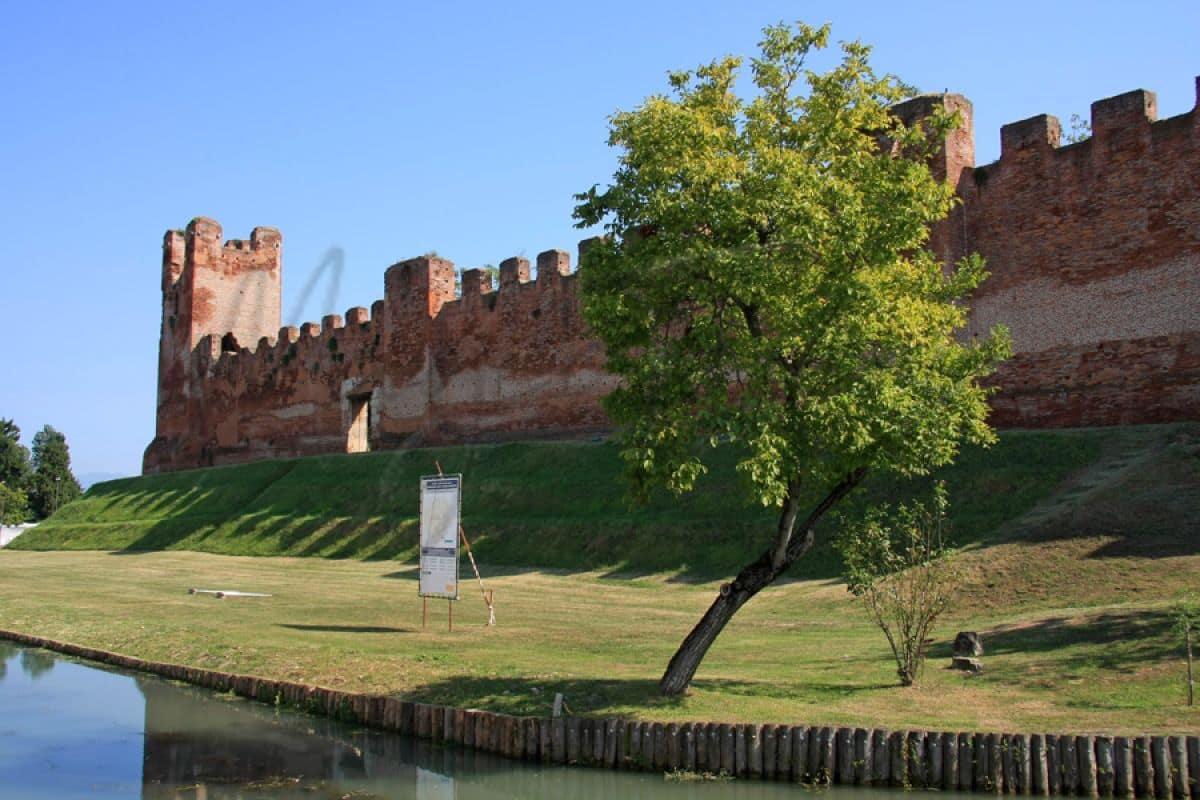
Castelfranco Veneto is a medieval town that holds a meaningful name. Originally established in the 12th century as a defensive stronghold for Treviso, it was founded amidst warfare and political strife. The town’s name, meaning “new castle of free land,” reflects its origins as a tax-exempt outpost of the Venetian Republic, designed to encourage settlement and defend against invasions.
Today, Castelfranco Veneto is known for its well-preserved castle and medieval ramparts, as well as its geometric street layout typical of Roman castra, offering a compelling glimpse into its storied past. Despite its deep historical roots, the town has evolved into a vibrant community that balances its agricultural traditions with a thriving art scene.
- Elevation ? 42 m
- Population ? 33,100
- Real Population (5km) ? 116,200
- Air Quality Rating ? 82
- RegionVeneto
- WalkabilityWalker's Paradise
- Housing Availability ? High
- Avg Download / Upload 245 Mbps / 160 Mbps
- ClimateMild winters, moderate summers, and minimal snow characterize the area's climate.
Castelfranco Veneto Demographics
- Population 33,100
- Real Population (5km band) 116,200
- Births per 100 Deaths 70.0
- Population Data Source ISTAT,2023
- Est. Unemployment Rate —
- Touristy Index Some Tourism
- Income per Capita (2023) €24,300
- Income Rank in Italy (2023) 749 out of 7901
Getting To & Around Castelfranco Veneto
Castelfranco Veneto is well-connected by rail, with two nearby stations providing reliable service. Major road links include the A27 and A4, facilitating access to the broader Veneto region and beyond. Airports include Treviso, 24 minutes away, and Venice Marco Polo, 41 minutes away.
Click “Read Description” on any row to expand details
Antonio Canova (Treviso) Airport is located about 3 km from Treviso and 31 km from Venice, serving as an accessible alternative to Venice Marco Polo Airport. With over 3 million passengers annually, it caters primarily to European destinations, being a focus city for low-cost carrier Ryanair which offers direct flights to cities such as Alicante, Berlin, and Budapest. This airport is recognized for its budget-friendly connections within Europe, mainly serving leisure travellers heading to or from the Veneto region, including popular routes to Southern Europe and Eastern Europe.
Venice Marco Polo Airport (VCE) is situated in Tessera, part of the Venice municipality, approximately 7.6 kilometres from Mestre and Venice. The airport is a focus city for airlines like Ryanair and easyJet, with scheduled flights to 90 destinations in 35 countries, including key European cities as well as seasonal routes to the US, Canada, Korea, and the Middle East. Renowned for its water transport links, the airport provides straightforward access to Venice, enhancing connectivity for both leisure and business travellers.
Valerio Catullo Airport, also known as Verona Villafranca Airport, is situated 10 km southwest of Verona in Italy’s Veneto region. It is a significant regional hub, particularly for Air Dolomiti, Neos, and Volotea, handling nearly 3 million passengers in 2022. The airport offers connections to 80 destinations, ranging from European cities like Paris and Barcelona to long-haul routes in Africa and the Caribbean. Known for its accessibility via major motorways A4 and A22, it provides convenient options for travellers with features like a VIP lounge and fast track services.
Small station on the Trento–Venezia line served by Trenitalia regional trains with direct services to Venezia Santa Lucia, Bassano del Grappa, and Castelfranco Veneto.
Junction station on the Calalzo–Padova, Trento–Venice and Vicenza–Treviso lines. Trenitalia regional services (and occasional Frecciabianca) call with direct trains to Padova, Venezia, Treviso, Vicenza, Bassano and Belluno.
RFI-managed stop on the Vicenza–Treviso line; served by Trenitalia regional (REG) trains with direct services to Treviso Centrale and Vicenza.
What's Nearby
Healthcare in Castelfranco Veneto
With 4 hospitals and clinics within 10 km and a hospital just 4 minutes away, access to medical care is good.
ULSS 2 Marca Trevigiana covers Treviso province — Treviso city, Conegliano, Vittorio Veneto, the Prosecco hills, Castelfranco Veneto. Composite of 57/100, top fifth nationally. Emergency response is strong (70); community care (44) is the relative weakness. A solid public-system catchment with particularly good acute response times.
- Nearest HospitalOsp. San Giacomo Apostolo-P.So
- Drive to nearest hospital4 min
- Hospitals & clinics within 10 km4
- Hospitals within 30 min drive5
- Local healthcare authorityAZIENDA ULSS N. 2 MARCA TREVIGIANA
Housing & Property Market in Castelfranco Veneto
Connectivity & Digital Access in Castelfranco Veneto
Education in Castelfranco Veneto
What to Expect from Castelfranco Veneto's Climate
Mild winters, moderate summers, and minimal snow characterize the area's climate.
Situated in Italy's northeastern plains, Castelfranco Veneto enjoys a temperate climate that appeals to expatriates and retirees seeking a balance of sunny days and mild weather. The summer months are warm but not excessively so, perfectly complemented by cooler, brisk winters that occasionally witness light snowfall – offering a picturesque setting without severe cold. Rain is spread evenly throughout the year, ensuring lush landscapes without prolonged periods of heavy downpours. This conducive climate not only nurtures local vineyards but also makes outdoor activities and exploration consistently enjoyable, adding to Castelfranco Veneto’s allure as a desirable relocation spot.
Climate data provided by Open Meteo, based on 2010–2022 averages.
Environmental & Air Quality in Castelfranco Veneto
Castelfranco Veneto in Detail
Castelfranco Veneto is well-connected by rail, with two nearby stations providing reliable service. Major road links include the A27 and A4, facilitating access to the broader Veneto region and beyond. Airports include Treviso, 24 minutes away, and Venice Marco Polo, 41 minutes away.
In Castelfranco Veneto, efficient public transport options, including buses and a central train station, facilitate movement. Cycling and walking are also popular, supported by well-maintained paths and limited traffic in the historic center. These networks promote easy access to local shops, cafes, and attractions.
Castelfranco Veneto, located in the Veneto region of Italy, showcases a rich culinary tradition characterized by dishes such as Bigoli in salsa (pasta with anchovy sauce), Risotto al nero di seppia (cuttlefish ink risotto), and Sarde in saor (sardines in a sweet and sour marinade). The local fare includes specialties like Baccalà mantecato (creamed dried cod), Risi e bisi (pea risotto), and traditional snacks known as cichèti. The dining scene includes a variety of restaurants featuring both traditional Italian food and international influences. Notably, Castelfranco Veneto is home to a Michelin-starred restaurant, Feva, known for its innovative Italian cuisine, further elevating the town’s gastronomic profile.
The area features a variety of shopping options, including supermarkets, farmers markets, and antique shops. Weekly markets offer fresh produce and local goods in a lively atmosphere. For more extensive retail experiences, there are shopping malls comprising various fashion and specialty stores. Boutique shops abound in quaint courtyards, providing a charming shopping environment.
– Salvatronda: Predominantly residential, featuring local community associations.
– San Giorgio: A neighbourhood with active community engagement through local associations.
– Campigo: Known for its fraction association, promoting local events and culture.
– Quartiere Verdi: Identified by active neighbourhood committees.
– Borgo Padova: A locality with community-driven initiatives and associations.
– Bella Venezia: Characterised by its association focusing on local enrichment.
– Avenale: Features community associations fostering local cohesion.
– Sant’Andrea o/m: Hosting committees that enhance community interaction.
– San Floriano: Includes local committees supporting fraction-based activities.
– Due Mulini: Area with local initiatives under its community association.
– Salvarosa: Features active fraction associations promoting local activities.
Castelfranco Veneto offers a range of outdoor activities with several distinguished trails and parks. Notable among them is the Avenal River – Rome Tower loop and the Oratory of St. Peter loop, which offer scenic routes starting from Villarazzo. The Via Postumia trail leading to Cittadella is a moderate hike, stretching for 18 km, estimated to take just under four hours. These trails provide accessible leisure hiking opportunities for residents and visitors alike, amidst the region’s historical landmarks.
The Pros & Cons of Moving to Castelfranco Veneto
A balanced picture — what makes Castelfranco Veneto wonderful, and what to think carefully about before making the move.
– Excellent healthcare services with high quality ratings.
– Efficient transportation network connecting to major cities.
– Scenic climate with pleasant weather year-round.
– Rich cultural and historical heritage to explore.
– Low unemployment rate ensures economic stability.
– Modern infrastructure facilitating daily living and activities.
– Opportunities for social integration and community involvement.
– Good air quality for a healthier lifestyle.
– Availability of educational facilities for all ages.
– Moderate tourist presence enhances local economy and vibrancy.
– Limited nightlife options for party enthusiasts and night owls.
– Language barrier may hinder deeper community connections and friendships.
– Some may find the charm too quaint or slow-paced.
– Mild tourist presence might feel lacking for some expats.
– Occasional bureaucracy could frustrate new residents navigating local systems.
– Internet speed may not satisfy heavy streaming or gaming needs.
– Weather can be too hot for those sensitive to heat.
– Limited shopping options for those seeking international brands and goods.
– Cultural events may not cater to all tastes and preferences.
– Occasional flooding can disrupt daily life, especially in rainy seasons.
Your Questions About Moving to Castelfranco Veneto, Answered
What Residents Say About Castelfranco Veneto
Hear from expats and residents who have made Castelfranco Veneto their home — their honest thoughts on daily life, the city’s charms, and what surprised them most.
Be the first to share your experience living here!
Castelfranco Veneto on the Map
More questions about Castelfranco Veneto?
Ask Magic AI.
Our AI assistant knows everything about living in Castelfranco Veneto — from visa routes and tax implications to the best neighbourhoods, schools and healthcare options. Ask anything.
More Towns
Other towns in Veneto
Premium Members Only
This section is available to paid members only. Upgrade to access all town data, detailed filters, and full insights.
Upgrade to Premium →