


[00:00:08] Miglia: Bentornati al podcast di Magic Towns Italia con Miles e Alessia.
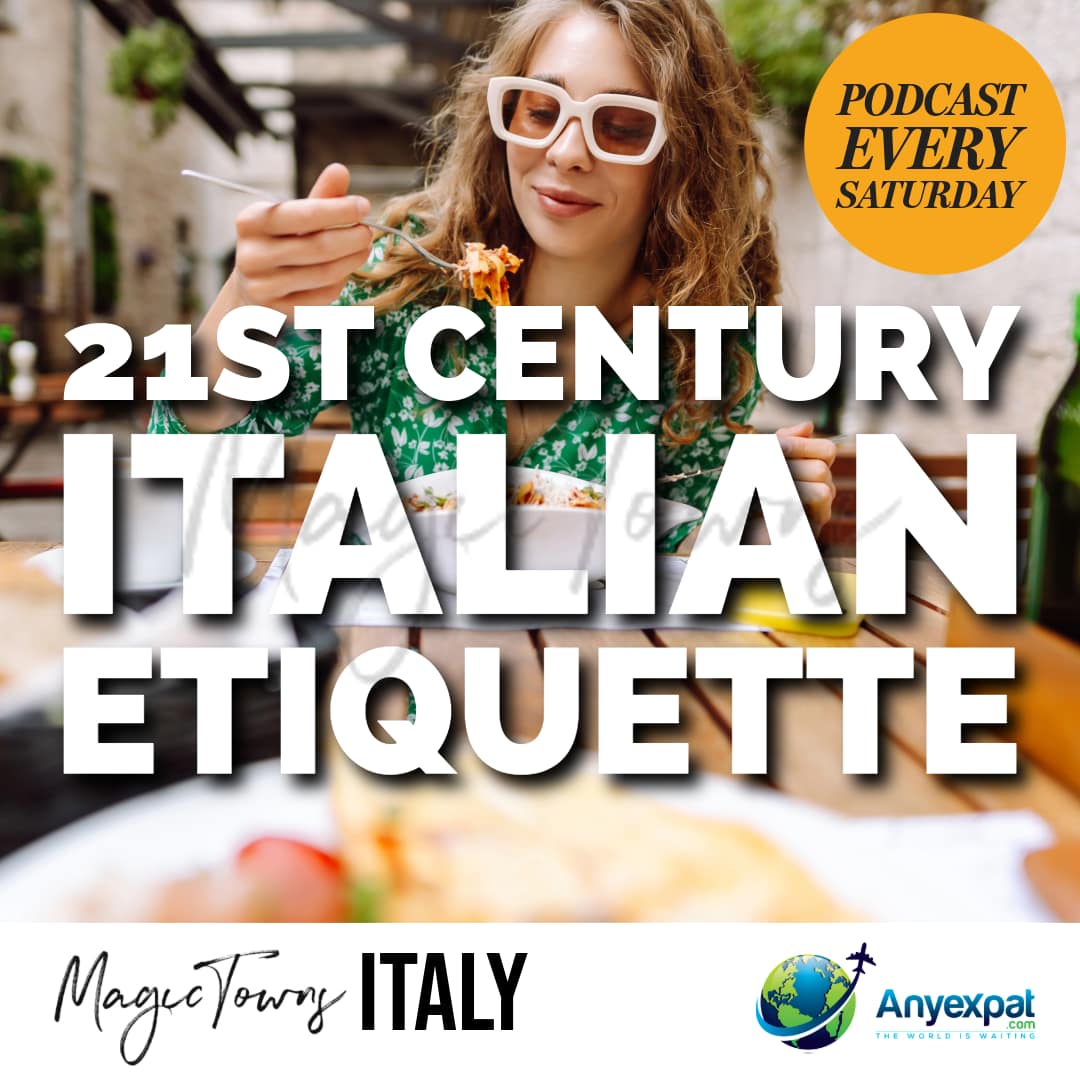
[00:00:11] Our mission today is to truly unpack the rich, evolving tapestry of Italian etiquette in the 21st century. Forget the old cliches. We’re going to give you a modern understanding of how Italians really live, communicate, and connect. We’re drawing from some excellent insights, including recent Rapporto CENSIS 2024 per esplorare tutto, da come salutare qualcuno alle regole non scritte della tavola e a come abbracciare veramente il ritmo italiano.
[00:00:40] Alessia: And what’s truly fascinating here is how Italy, while definitely a modern EU nation, beautifully balances progress with its, well, its deeply ingrained traditions.
[00:00:51] Miglia: All right, so before we dive into the nitty gritty of daily interactions, let’s set the scene a bit. Let’s look at Italy today. The 2024 CENSIS state of the country report paints a picture of a nation, maybe cautiously rediscovering growth and innovation. What stands out to you about this modern Italy, especially for someone new arriving there?
[00:01:10] Alessia: Italy is definitely a contemporary EU nation. There’s a new social awareness, which is quite significant. Particularly around protecting vulnerable groups like abused women and the elderly, it reflects a modern sensibility. I think, however, it’s also important to acknowledge that some age old divides persist.
[00:01:30] Miglia: Ancora
[00:01:30] Alessia: Si osservano disparità regionali, ad esempio, nei modelli di voto, spesso divisi tra le aree urbane settentrionali progressiste e le aree meridionali e rurali più tradizionali. Esistono inoltre notevoli divari nell'istruzione, mentre l'istruzione superiore porta a risultati di vita di gran lunga migliori. Ad esempio, solo circa 2,2% di laureati si trovano in condizioni di grave povertà, rispetto a 13,6% di persone che hanno solo la licenza media.
[00:01:59] Miglia: Wow, that’s a big difference.
[00:02:01] Alessia: It is. So while it’s a country embracing modernity, it’s also still addressing these ingrained inequalities. And this can subtly influence everything from say, local services to the mindset you might encounter day to day.
[00:02:16] Miglia: So against this modernizing nation still navigating its own deep seated traditions, it’s maybe no surprise that many of our preconceived notions about Italy are, well, frankly outdated. Let’s tackle those myths next. To truly understand the real Italy beyond the stereotypes, what are some of those common misconceptions we need to ditch right away?
[00:02:37] Alessia: Yeah, that’s a great point. What’s Italy really like today? Beyond the postcards and you know, old movies, many old ideas are simply outdated and it’s vital to get a clearer picture. For instance, the myth that Italian men cat call constantly.
[00:02:54] Miglia: Giusto? Quel vecchio tropo
[00:02:55] Alessia: Esattamente. La realtà è che le molestie palesi per strada non sono più socialmente accettabili, soprattutto tra i giovani italiani. In effetti, gli attivisti stanno spingendo perché diventi un reato punibile.
[00:03:09] Miglia: Ok, buono a sapersi.
[00:03:09] Alessia: Then there’s driving in Italy is madness. That’s a stereotype that truly sticks.
[00:03:15] Miglia: Già. Lo sentono tutti, vero?
[00:03:17] Alessia: Sebbene possa sembrare caotico per un principiante, le strade italiane sono in realtà molto più ordinate di quanto le leggende suggeriscano. Ciò è dovuto in gran parte a leggi più severe, ad autovelox onnipresenti e a una migliore applicazione delle norme. Gli incidenti stradali sono scesi a circa quattro ogni 100.000 persone.
[00:03:33] Miglia: Il che è abbastanza standard.
[00:03:34] Alessia: It’s on par with other Western countries. So you can buckle up. Sure. But don’t expect a real life Formula One race on your commute.
[00:03:42] Another common misconception, Italy is dirty and full of fly tipping. Actually italy is a recycling champion. It leads Europe with over 83% of waste recycled. Cleanliness standards are quite high and locals are generally very good about not littering. You’ll often see people pocket their trash until they find a proper bin.
[00:04:03] Miglia: That’s impressive.
[00:04:04] Alessia: And finally, the idea that everyone is ultra formal and tied to Catholic traditions. Well, while courtesy and family values are indeed deep, daily life is surprisingly relaxed. First names and “ciao” come quickly. Once you know someone, business dress codes have modernized significantly, and despite the church bells, Italy’s actually quite secular in practice.
[00:04:27] Miglia: Davvero così secolare?
[00:04:28] Alessia: Well, statistics show only about 19% of Italians attend weekly mass, while a significant 31% never attend. So no, you won’t be expected to genuflect in daily social life. The real takeaway here isn’t just that stereotypes are wrong, but that modern Italy, while deeply proud of its heritage, is actively shedding outdated norms.
[00:04:52] Miglia: That’s a huge shift from what many might imagine. It sounds like a country that values its roots, but isn’t afraid to evolve. So with these myths busted, how does this evolution play out in something as fundamental as communication? Italians are known for being enthusiastic communicators.
[00:05:08] Alessia: Oh, they are indeed very expressive. You’ll notice this immediately. Conversations are more animated, definitely more emotional engagement, and yes, the famous hand gestures are alive and well. They’re used for absolutely everything from football debates to giving precise cooking instructions.
[00:05:28] Miglia: Posso immaginare che
[00:05:28] Alessia: Ricordo la prima volta che ho cercato di ordinare un caffè, rendendomi conto che avevo bisogno di un vocabolario completamente nuovo solo per le mie mani. E nel regno digitale gli sms la fanno da padrone. WhatsApp ha un tasso di utilizzo di circa 97% in Italia.
[00:05:43] Miglia: 97%. Wow.
[00:05:44] Alessia: Yeah, it’s huge. So locals will often text or send voice notes rather than call out of the blue. It’s common courtesy to start a message with ciao o buongiorno e magari un saluto prima di passare agli affari. Quando si telefona o ci si incontra di persona, salutare tutti i presenti e congedarsi è la norma.
[00:06:04] Una semplice pomata o buonasera in a shop or waiting room? It really goes a long way. And don’t be shy about interrupting.
[00:06:11] Miglia: Interrompere. Davvero? E' un'idea che non mi piace.
[00:06:12] Alessia: Yes. It’s often part of the rhythm. It’s seen as a sign of emotional engagement showing that people care, are actively listening, not necessarily being rude. That’s such an interesting cultural nuance because in say the UK or US interrupting is often seen as quite rude.
[00:06:30] It’s less about sort of cutting someone off mid-sentence to change the subject and more about adding your voice enthusiastically to the flow.
[00:06:37] Think of it like a lively choir. Everyone wants to contribute to the song together. It’s usually clear from the tone and body language. Even if you speak over someone for just a moment, signals engagement rather than dismissal.
[00:06:52] Miglia: Sentire. Capito.
[00:06:54] Communication is clearly vibrant, but it all starts with that first interaction, doesn’t it? Let’s talk about greetings often one of the trickiest parts of navigating a new culture. What’s the protocol for a new expat or retiree?
[00:07:09] Alessia: Well, Italian etiquette here beautifully balances tradition with modern casualness, so it’s quite adaptable actually for formal situations or first meetings. A friendly handshake and a simple piacere, which means nice to meet you are perfect. That’s a safe and polite starting point.
[00:07:26] Miglia: Piacere.
[00:07:27] Alessia: Mm-hmm. Among friends and family cheek kisses are very common, usually two, one on each cheek, and typically starting with the left cheek. It’s common regardless of gender though. Interestingly, many Italian men now opt for a hug or a friendly backs slap with close male friends.
[00:07:50] Miglia: Quindi meno rigida di quanto non fosse in passato.
[00:07:52] Alessia: And don’t worry about perfecting the cheek kiss immediately. A warm smile and perhaps a slight lean will usually clue your host whether to go in for the kiss or not. They won’t expect you to be an expert on day one. Now this brings up an important question. When do you use tu il tu informale contro il tu lei, il formale tu?
[00:08:14] Miglia: Ah, sì. Il grande evento.
[00:08:15] Alessia: It is, as a newcomer, it’s definitely best to start formal lei con gli anziani, con i professionisti o con chiunque si rivolga a voi come signora.
[00:08:25] Just follow their lead. Yeah. You’ll find there’s a noticeable trend toward informality. These days even professors or bosses might shift to tu in ambienti più informali. Se qualcuno si rivolge a voi con il vostro nome di battesimo e dice Dai, diamoci del tu, which basically means. Come on, let’s use tu. Congratulations. That’s a clear invitation and it means you’re considered, you know, part of the inner circle.
[00:08:47] Ricordate, ciao is informal. Always use buongiorno or buonasera with strangers or older folks until you’re explicitly invited to switch to ciao. It’s a subtle but important distinction.
[00:09:01] Miglia: That’s really helpful advice. It sounds like Italian greetings are more about warmth and connection than strict rigid rules.
[00:09:09] One of the truly special experiences though, must be being invited into someone’s home. It feels like such an intimate gesture. So I imagine for our listeners, the biggest question is, what’s the drill? What do you do as a guest?
[00:09:22] Alessia: Oh, absolutely. Being invited to an Italian home is a significant gesture of trust and warmth. It’s truly a sign of friendship. ’cause Italians often meet friends at cafes or restaurants. Opening their home is special. So here’s what you should know to be a perfect guest. First off, always bring a gift. Always a nice bottle of wine, artisanal chocolates or a bunch of fresh flowers are classic choices.
[00:09:48] Always appreciated. Maybe a dessert from your home country, that can be a fun idea, but it’s best to avoid anything too exotic unless you know their tastes well. Stick to the safe bets, if I’m sure. Second, don’t be early.
[00:10:03] Miglia: Don’t be early. That’s counterintuitive for some cultures.
[00:10:07] Alessia: Lo è, ma in Italia arrivare 15-30 minuti dopo l'orario stabilito è considerato un atto di cortesia.
[00:10:15] Miglia: In questo modo il padrone di casa ha un po' di tempo per preparare tutto alla perfezione, senza sentirsi affrettato. Buono a sapersi. Da 15 a 30 minuti di ritardo vanno bene.
[00:10:24] Alessia: Yep. When you arrive, ring the doorbell and be ready to greet everyone present. That means from Nana down to the family dog. It shows respect for the whole household. And about shoes. It’s common to keep your shoes on.
[00:10:38] Miglia: Oh really? I’d assume take them off.
[00:10:40] Alessia: Uh. Many Italians actually find it a bit odd or even impolite for guests to pat around in socks. So don’t volunteer to unlace unless your host explicitly insists and offers you slippers, for example.
[E assicuratevi di fare i complimenti. Gli italiani sono immensamente orgogliosi delle loro case, del loro arredamento, del loro ordine.
[00:11:03] Miglia: Ok, i complimenti sono fondamentali.
[00:11:05] Alessia: Una volta a tavola, aspettatevi cibo in abbondanza e molta insistenza sulle seconde porzioni. La strategia migliore è quella di mantenere il ritmo, ma di condividere l'entusiasmo genuino per ogni piatto.
[00:11:18] If you have any dietary restrictions, it’s best to communicate them clearly in advance. Your host will definitely appreciate the heads up. To avoid any awkwardness, visiting an Italian home in 2025 is generally a relaxed affair. You’ll experience genuine hospitality without much stiff formality. So just bring your appetite and enjoy la convivialità, la buona compagnia.
[00:11:43] Miglia: That focus on presentation and social grace, it extends far beyond a dinner table, doesn’t it? Let’s shift our focus now to public spaces.
[00:11:51] How do Italians navigate public life and what’s this pervasive, yet often misunderstood concept of bella figura di cui abbiamo sentito parlare?
[00:11:59] Alessia: You’re absolutely right. The social grace of the table definitely translates to public life. In public, you’ll probably find personal spaces a bit closer than you might be used to.
[Gli italiani tendono a stare in piedi e a sedersi un po' più vicini e i gesti casuali, come una rapida pacca sul braccio durante la conversazione, sono abbastanza comuni e di solito significano solo cordialità. Il comportamento generale in pubblico è generalmente educato. Le persone dicono prontamente permessoQuando si avvicinano, spesso tengono le porte per il prossimo e spesso offrono il loro posto agli anziani o alle donne incinte sugli autobus affollati. La cortesia di base è forte.
[00:12:35] Miglia: Ok, quindi in generale educati e consapevoli.
[00:12:39] Alessia: Gli indizi esistono, ma a volte, beh, non in modo così lineare come ci si potrebbe aspettare. Come nelle piccole panetterie o nelle farmacie senza un sistema di ticket numerici, si può sentire i nuovi arrivati chiedere Who’s last in line Invece di formare una linea retta perfetta, basta parlare quando si arriva e tenere traccia del turno di chi precede il proprio. La cosa si risolve da sola.
[00:13:01] Miglia: Giusto. Un po' più autogestita.
[00:13:03] Alessia: Altri consigli per confondersi: utilizzare la voce interna in zone silenziose come chiese, musei o treni. silenzio. Gli italiani possono essere rumorosi tra amici Certo, ma rispettano gli spazi tranquilli. Dal 2005 è vietato fumare al chiuso nei ristoranti e negli uffici, per cui il fumo trattoria di un tempo è in gran parte scomparso.
[00:13:24] Smokers just step outside now. Also, it’s generally considered a bit uncouth to snack or eat while walking down the streets. You’ll rarely see locals chomping a sandwich on the go.
[00:13:34] Miglia: Interessante. Perché?
[00:13:36] Alessia: It’s about savoring things I think. Italians tend to pause at a cafe or sit on a bench to genuinely enjoy their food or drink.
[00:13:44] It’s actually a nice reminder to slow down a bit. Now the concept of bella figura, meaning making a good impression. This still greatly influences public etiquette. It’s a prime example of how deeply ingrained traditions of dignity and presentation coexist beautifully with Italy’s modern, relaxed approach.
[00:14:05] Miglia: That’s not just about looking good.
[00:14:07] Alessia: Per niente. Pensate a bella figuraNon si tratta di una vanità superficiale, ma di un impegno culturale a favore della dignità, del rispetto e di una presentazione armoniosa di sé in pubblico. Influisce su tutto, dal modo di vestire a quello di gestire un piccolo disaccordo.
[00:14:23] This means dressing presentably. You don’t need designer gear for groceries, obviously, but maybe avoid wearing pajama bottoms in public. You might notice even at the beach. Locals often do quick outfit changes under a towel rather than walking far from the shore half dressed. Modesty and style often go hand in hand. That said, modern Italy is quite relaxed overall. You’ll see teens in ripped jeans and sneakers, joggers in the park in full workout gear. Lots of everyday informality. It’s more about context. Bella figura at a casual barbecue means a clean, smart, casual outfit and polite manners. At the office it means business casual attire and being punctual. When in doubt, just err on the side of respect and situational awareness, and you’ll do just fine.
[00:15:15] It’s about showing you care about the situation and the people around you.
[00:15:19] Miglia: So we’ve covered the modern landscape, busted some myths, explored communication, greetings, being a guest, dining public life. For our expat or retiree listeners, what does all this mean for truly integrating and well enjoying life in Italy? How do we embrace this unique Italian rhythm?
[00:15:35] Alessia: Giusto? Mettere insieme tutto questo. Oggi l'Italia è parte integrante dell'Europa contemporanea. Aderisce alle leggi dell'UE. I valori sociali moderni sono prevalenti, gli smartphone sono onnipresenti.
[00:15:47] International pop culture is everywhere. As an expat, you’ll find that much of day-to-day life, paying bills online, using public transit, shopping in malls will feel largely familiar. Yet the real beauty of Italian life lies in its unique social rhythms. The pace is generally a bit more relaxed. An official appointment might start 10 minutes late, and that’s often okay. The post lunch riposo o pausa chiude ancora molti piccoli negozi per un paio d'ore, soprattutto nelle città più piccole o nel sud.
[00:16:20] Miglia: Il famoso riposo
[00:16:21] Alessia: La famiglia e la comunità rimangono fondamentali, quindi la domenica è spesso dedicata a grandi pranzi in famiglia. Inoltre, molti negozi potrebbero essere chiusi o avere orari ridotti.
[00:16:31] Ogni città, per quanto piccola, ha la sua festa annuale, il suo sagra, that brings everyone out into the main piazza. It’s a big deal.
[00:16:40] Miglia: Flessibilità nel godersi il momento. Lo si vede davvero la sera passeggiata, la passeggiata serale.
[00:16:49] Alessia: Yes, that leisurely walk. Locals of all ages take before dinner simply to unwind. Chat with neighbors. See and be seen. It’s a lovely tradition. So to integrate respectfully, your best bet is simply to join in these traditions. Don’t fight the rhythm, embrace it. Balance your routine with a mid-morning coffee standing at the local bar.
[00:17:12] Take the time to learn your local shopkeeper’s names. It makes a huge difference. And don’t be surprised when your landlord or a new colleague invites you over for Sunday lunch with their family. It happens, Italy may share Europe’s broad cultural norms, tolerance, equality, rule of law, but it definitively maintains its own _dolce vita _cadence.
[00:17:34] Miglia: But what a fantastic journey through modern Italian etiquette, we’ve definitely debunked some myths, shared really practical tips, and I feel like we’ve given you our listener a clearer window into the vibrant, nuanced social landscape of Italy in the 21st century.
[00:17:48] Alessia: It’s clear that while Italy is thoroughly modern, its enduring charm really lies in these unique social rhythms and traditions. Understanding these small, often delightful details can truly make all the difference in feeling connected and genuinely at home there.
[00:18:04] Miglia: So as you plan your move, or maybe just dream of Italian life, here’s something to think about. What is one small Italian custom you’re most excited to embrace in your daily life?
[00:18:13] Per ulteriori approfondimenti e risorse pratiche sul trasferimento in Italia, visitate il sito Magic Towns Italy. Alla prossima volta, buona fortuna e, soprattutto, benvenuti in Italia. Benvenuti in Italia.

 English
 French
 German
 Italian
 Danish