

Vénétie
249,500 residents · 504,100 within 5 km · 3 m above sea level
What Venezia is actually like
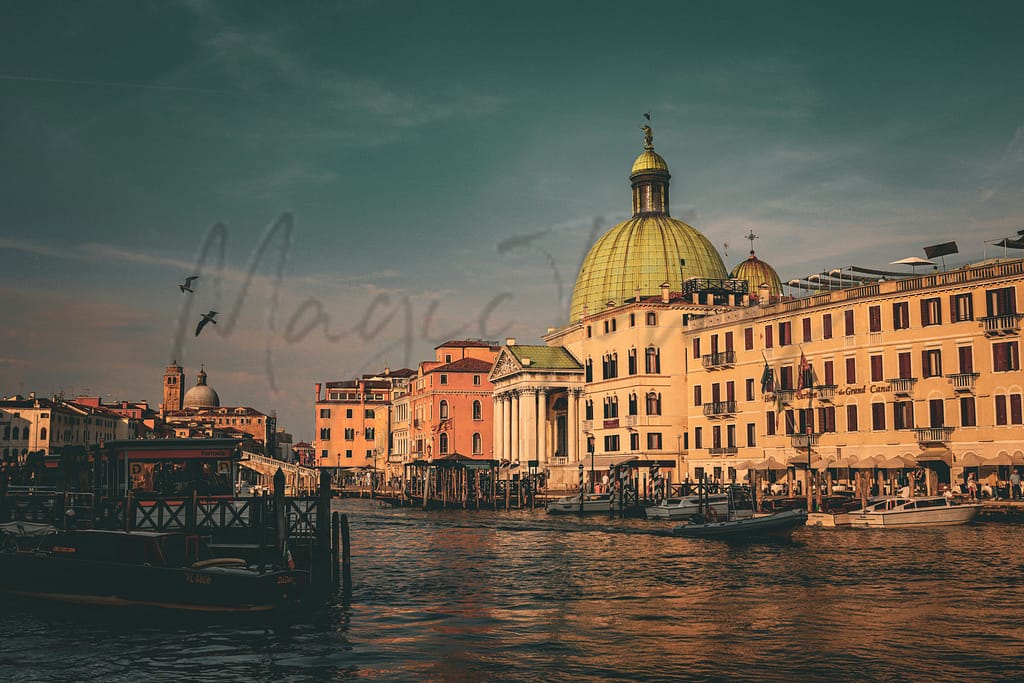
Venice, known in Italian as Venezia, is a unique city situated in northeastern Italy that has existed since the 5th century AD when it emerged from a collection of islands in the Venetian Lagoon. Famous for its network of canals, the city has over 150 waterways and 400 bridges connecting its islands. As a car-free urban area, Venice relies on boats for transportation. This offers both locals and visitors an extraordinary urban experience. The architecture in Venice exhibits Byzantine and Gothic influences, with landmarks like the Basilica di San Marco underlining the city's story. Despite issues like flooding and over-tourism, Venice remains a major centre for international tourism.
How Venezia is built
Post-war expanded comune
A whole-city district map is coming for larger comuni.
Building age, condition and occupancy from the ISTAT census (2011), by census section. Occupancy is shown as one honest split — the 2011 census does not reliably separate holiday homes from vacant ones.
Towns like Venezia
Closest matches in Veneto on quality of life, infrastructure and economy.
- Istrana — Treviso · 9,100 residents
- Saonara — Padova · 10,600 residents
- Riese Pio X — Treviso · 11,000 residents
- Piazzola sul Brenta — Padova · 11,100 residents
- Thiène — Vicenza · 24,000 residents
- Rosà — Vicenza · 14,600 residents
The rest of the Venezia profile — cost of living, healthcare, climate, broadband, schools and the full pros & cons — is behind a free account.
 English
 French
 German
 Italian
 Danish