

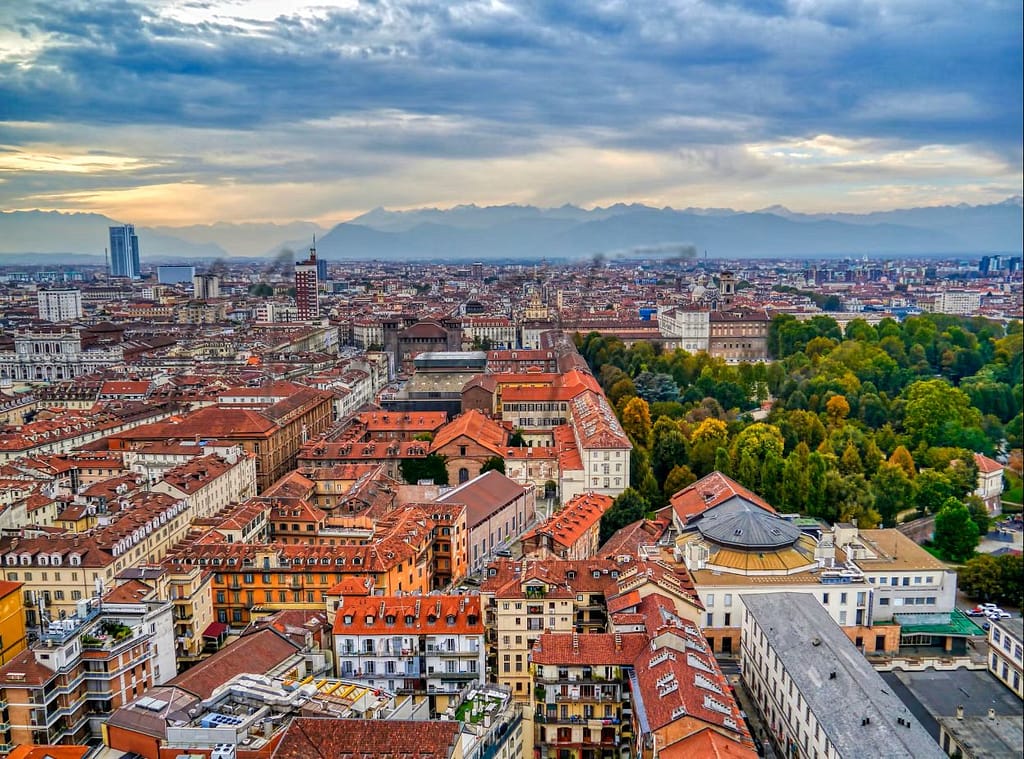
Turin
853,200 residents · 1,305,800 within 5 km · 239 m above sea level
What Torino is actually like
Torino, the capital of Piemonte, seamlessly blends rich history with modern vibrancy, making it an appealing destination for expats and retirees. Nestled in the foothills of the Alps, this elegant city boasts splendid architecture, from its Baroque palaces to the iconic Mole Antonelliana. The thriving cultural scene includes world-renowned museums, galleries, and a calendar filled with festivals that celebrate everything from cinema to chocolate. Local industries, particularly automotive and technology, contribute to a dynamic economy. However, prospective residents should be aware of some challenges. While the city's healthcare rankings are respectable, the system's accessibility can vary. Additionally, although Torino is walkable and well-connected, some neighborhoods may feel less vibrant than the historic center. With its proximity to the mountains and the Mediterranean coast, expats can enjoy both urban and outdoor lifestyles, striking a balance between cultural immersion and leisure activities.
How Torino is built
Post-war expanded comune
A whole-city district map is coming for larger comuni.
Building age, condition and occupancy from the ISTAT census (2011), by census section. Occupancy is shown as one honest split — the 2011 census does not reliably separate holiday homes from vacant ones.
Towns like Torino
Closest matches in Piemonte on quality of life, infrastructure and economy.
- Cuorgnè — Torino · 9,500 residents
- Casale Monferrato — Alessandria · 32,400 residents
- Ciriè — Torino · 18,100 residents
- Borgaro Torinese — Torino · 11,600 residents
- Leini — Torino · 16,200 residents
- Chivasso — Torino · 26,100 residents
The rest of the Torino profile — cost of living, healthcare, climate, broadband, schools and the full pros & cons — is behind a free account.
 English
 French
 German
 Italian
 Danish