

Pérouse
162,100 residents · 222,500 within 5 km · 429 m above sea level
What Perugia is actually like
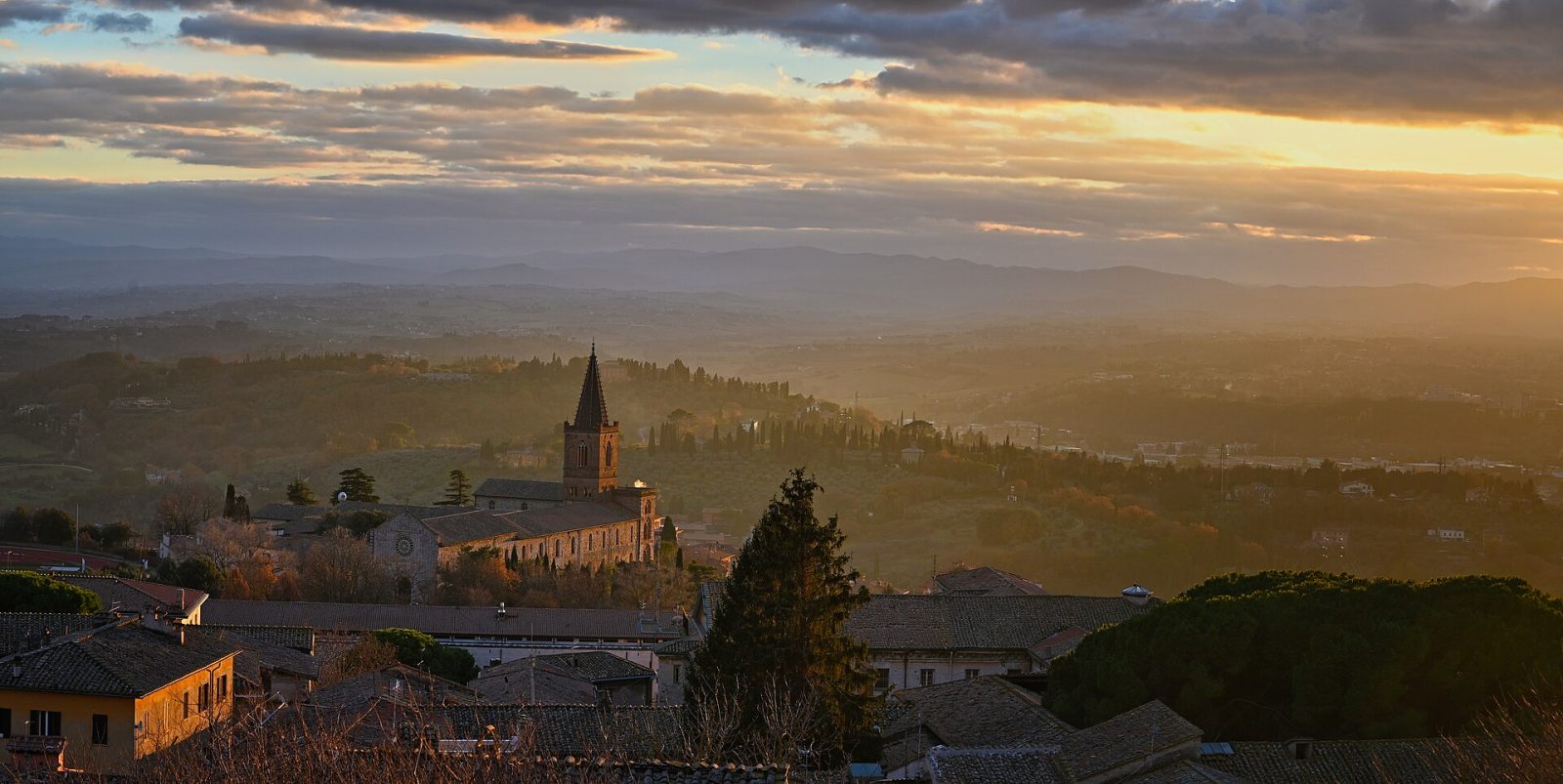
Perugia, the capital of Umbria, offers a blend of historical charm and vibrant culture, attracting foreign expats and retirees seeking a picturesque lifestyle. Nestled in central Italy, this hilltop city boasts a rich heritage, characterized by Etruscan roots and Renaissance art, evident in landmarks such as the stunning Palazzo dei Priori and the Gothic-style San Pietro. The city's compact size enables an exceptional walkability score, allowing residents to easily explore its cobblestone streets and bustling piazzas. Culturally, Perugia hosts numerous festivals like the Umbria Jazz Festival and the Eurochocolate Festival, celebrating music and culinary traditions. Although access to healthcare services may require consideration as some facilities may not meet all expectations, the city is in close proximity to an airport and offers attractive air quality. While the nearest beach is a short drive away, those seeking urban living with rich traditions will find Perugia a compelling choice.
How Perugia is built
Post-war expanded comune
Building age, condition and occupancy from the ISTAT census (2011), by census section. Occupancy is shown as one honest split — the 2011 census does not reliably separate holiday homes from vacant ones.
Towns like Perugia
Closest matches in Umbria on quality of life, infrastructure and economy.
- Città di Castello — Perugia · 37,900 residents
- Gubbio — Perugia · 30,300 residents
- Assise — Perugia · 27,500 residents
- Todi — Perugia · 15,500 residents
- San Giustino — Perugia · 11,100 residents
- Magione — Perugia · 14,700 residents
The rest of the Perugia profile — cost of living, healthcare, climate, broadband, schools and the full pros & cons — is behind a free account.
 English
 French
 German
 Italian
 Danish