

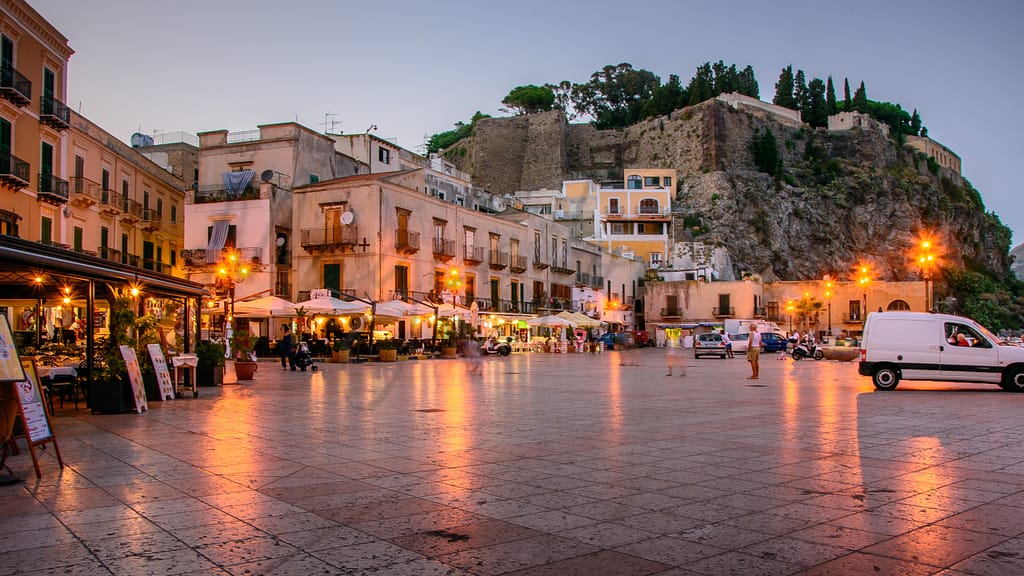
Lipari
12,800 residents · 10,900 within 5 km · 11 m above sea level
What Lipari is actually like
Lipari, the largest island in the Aeolian archipelago, offers a compelling blend of rich history and vibrant local culture, making it an attractive destination for expats and retirees. Nestled in the Tyrrhenian Sea, this charming town features essential attractions such as the Bernabò Brea Museum and the stunning Archaeological Park, set within an ancient castle. Visitors can explore picturesque spots like Marina Lunga and Marina Corta, while the nearby Terme di San Calogero invites relaxation. The town's rich cultural heritage is reflected in its historic churches and culinary delights, such as the unique mulberry granita and local pastries. However, living in Lipari presents challenges. Its remote location, approximately a three-and-a-half-hour drive from the nearest airport, can complicate travel. The internet speed is moderate, and healthcare services may not meet the standards found in larger cities. Nevertheless, Lipari's scenic beauty and slow-paced lifestyle continue to attract those seeking tranquility in a Mediterranean setting.
How Lipari is built
Mixed-fabric comune
Building age, condition and occupancy from the ISTAT census (2011), by census section. Occupancy is shown as one honest split — the 2011 census does not reliably separate holiday homes from vacant ones.
Towns like Lipari
Closest matches in Sicilia on quality of life, infrastructure and economy.
- Barrafranca — Enna · 11,600 residents
- Palma di Montechiaro — Agrigento · 21,300 residents
- Troina — Enna · 8,300 residents
- Ribera — Agrigento · 17,700 residents
- Rosolini — Siracusa · 20,500 residents
- Raffadali — Agrigento · 11,800 residents
The rest of the Lipari profile — cost of living, healthcare, climate, broadband, schools and the full pros & cons — is behind a free account.
 English
 French
 German
 Italian
 Danish