
Large-scale supermarkets only became part of Italian life in the late 1970s. Before that, the *bottega* ruled: small, specialised shops where the grocer knew your name and you paid on credit with the magic words, “Put it on my mamma’s account.” Today the *bottega* is an endangered species, and Italian, French and German chains have settled into daily life, each with its own distinct personality.
Supermarkets, more than town halls or churches, reveal how a country actually functions. In Italy, they reveal a set of parallel supermarket philosophies, each catering to a different clientele. Rather than attempt a sociological essay – or the dry statistics Anna hates – to explain their little quirks to expats, we thought a few short vignettes might explain the landscape better. If you agree (or disagree), tell us what we have missed.
*P.S. All meant in good humour.*
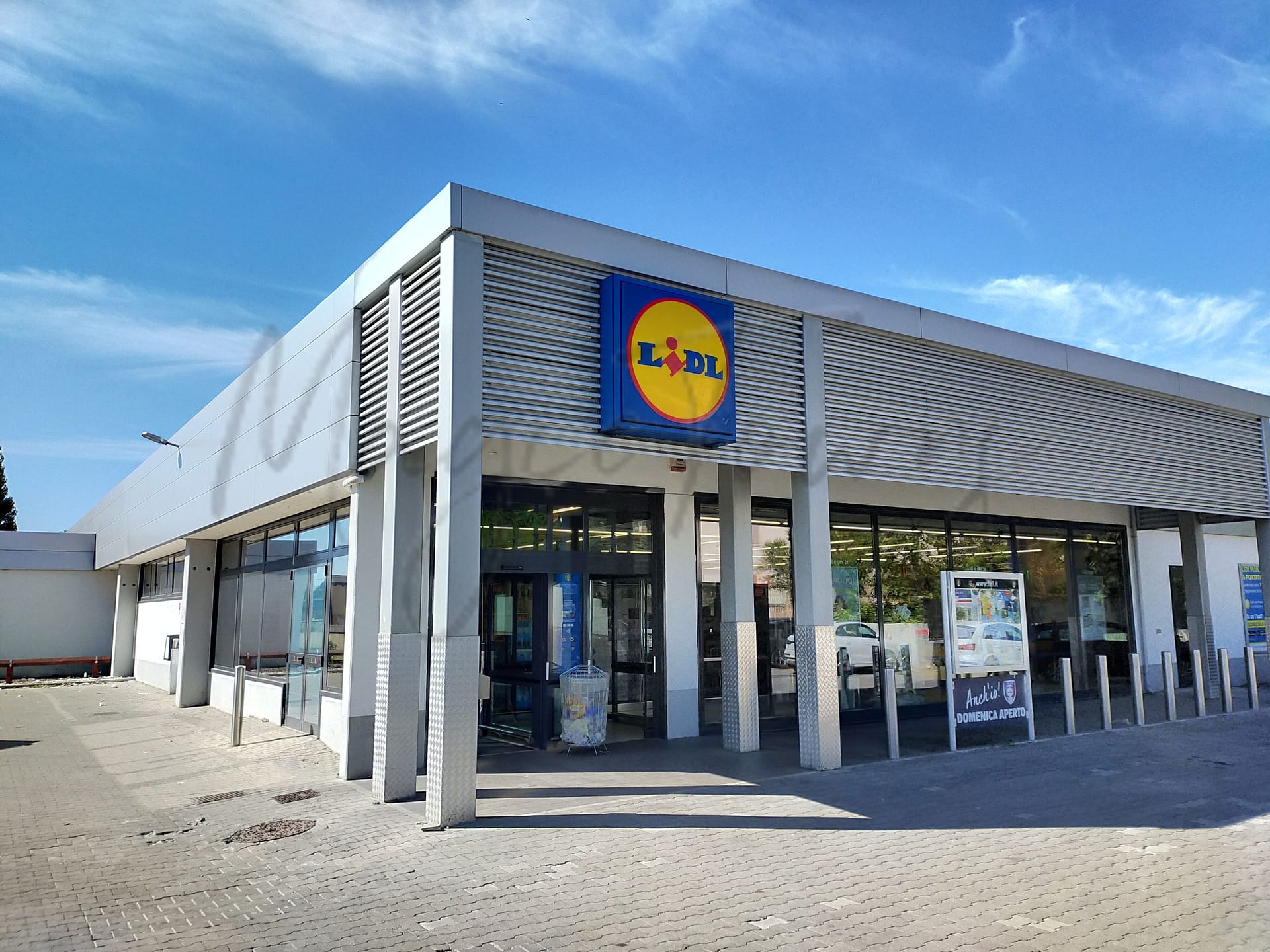
Lidl
“I love this Italian supermarket. It feels patriotic. Italian flags on the façade, Italian flags on the mozzarella, Italian flags on the workers’ shoulder pads.
Look at this Italian milk. So cheap. *Bavaria Milch*. Bavaria. That’s just outside Bologna, I think.”
You go in for bread. You exit with bread, a torque wrench and what appears to be a Scandinavian sauna accessory. All priced at €19.99, which is how you justify it to yourself.
*Lidl is a major German discount chain with more than 800 outlets in Italy.*
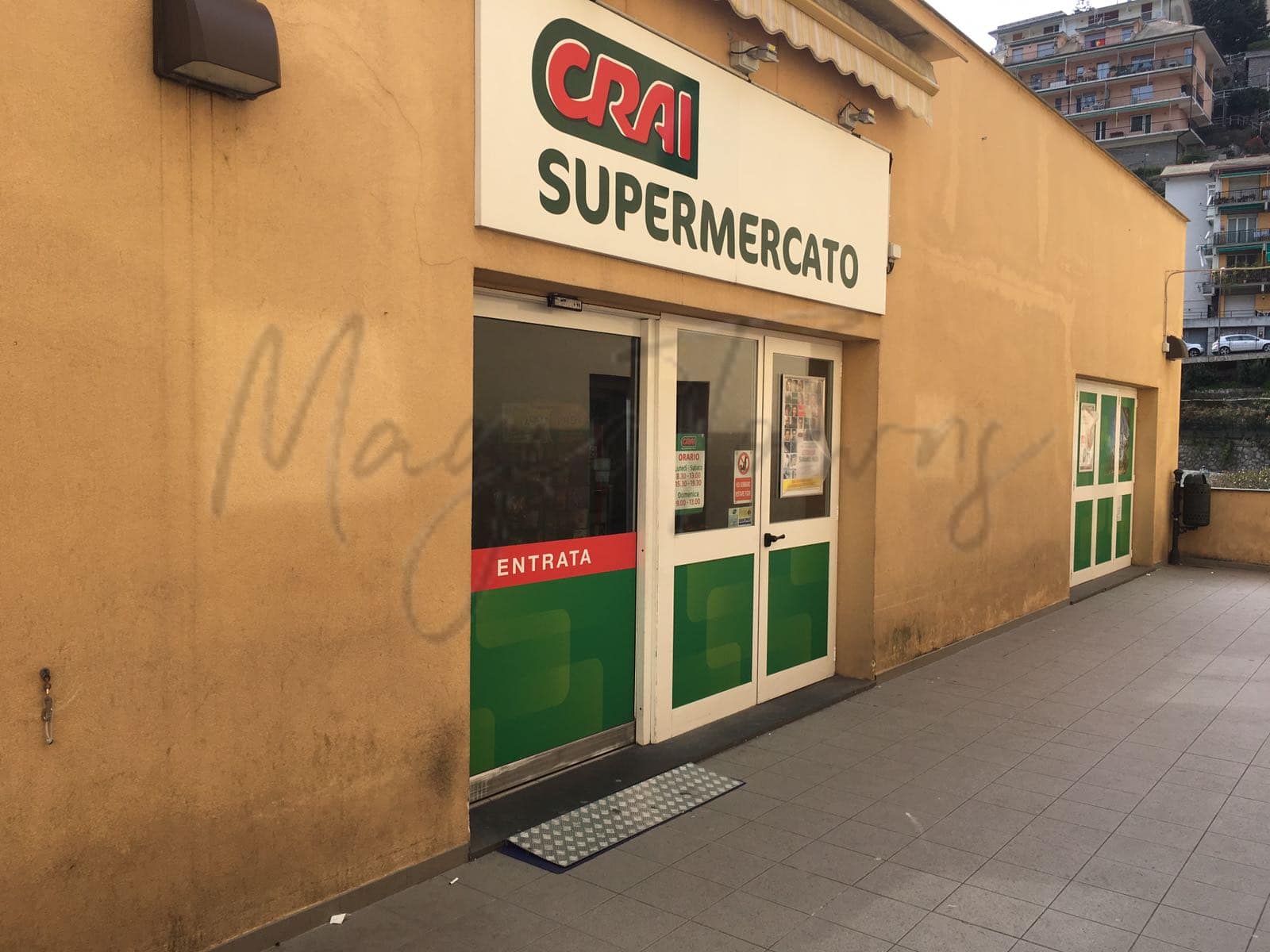
Crai
If Italy had had a Far West, a Crai would have stood next to the saloon.
Crai is the last supply post before civilisation ends. Before climbing the Matterhorn (on the Italian side, obviously) you grab a *panino* at the local Crai. Where there are two pensioners and a church, there is a Crai. No Crai has yet been excavated from Pompeii, but we remain optimistic.
*Crai is an Italian chain of mostly small and mid-sized grocery stores.*
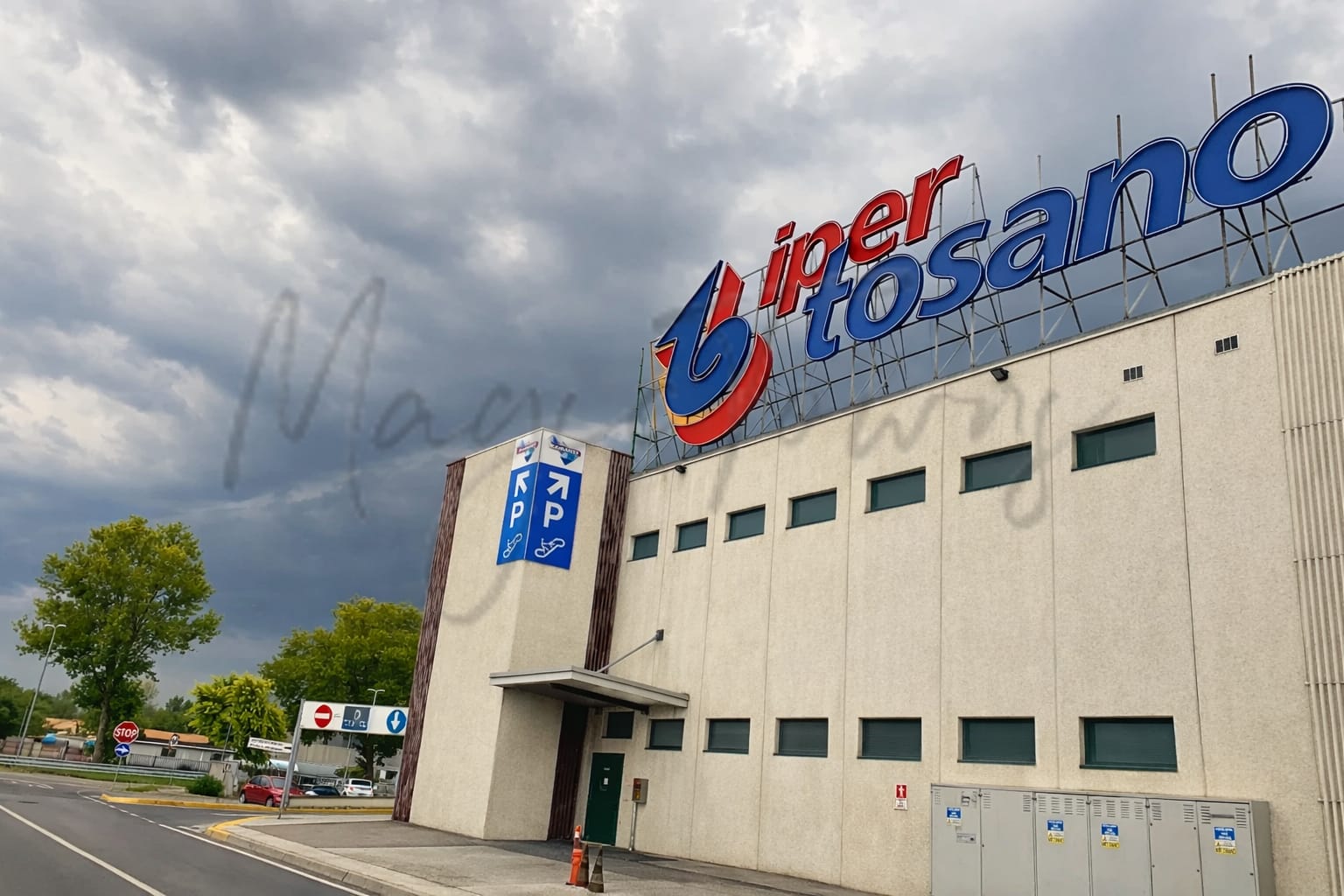
Tosano
If you have been to a Tosano, you have told your friends about it.
Where else can you buy a 40 kg jar of Nutella? Five-litre bottles of prosecco? Tosano carries 30 brands of tomato purée in 20 different sizes, five of which require forklift assistance.
And the prices. The bigger something is, the less it costs.
“Honey, the pork is only €2 a kilo if we buy the whole pig.”
*Tosano operates as both a retail and wholesale chain, mostly in the North East.*
Eataly
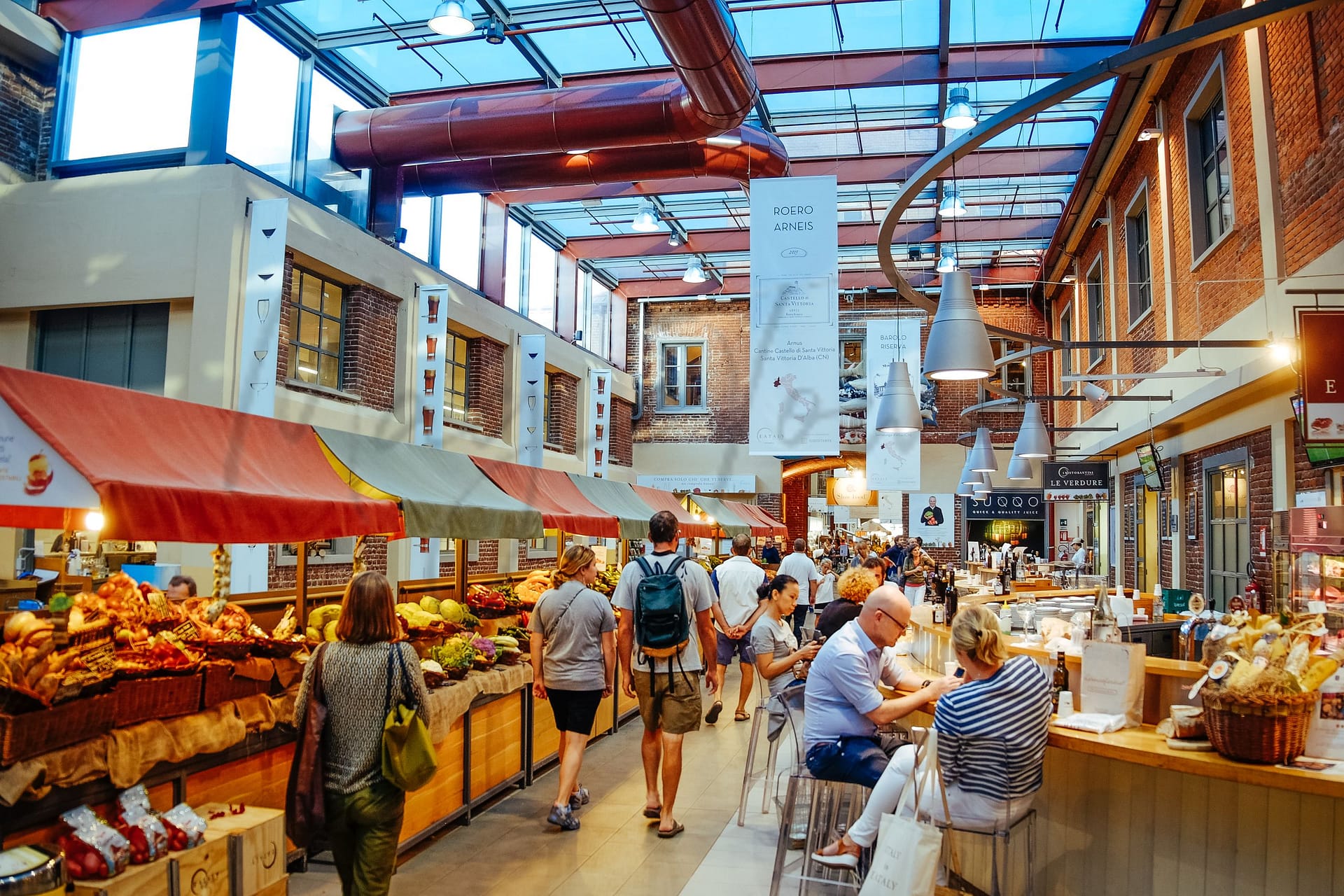
Eataly, abroad, is an ambassador. In Italy, it is a curiosity.
The tomatoes are arranged by a museum curator. Spotlights flatter the aubergines. Grapes are weighed on jeweller’s scales.
“That will be ten euros,” says the assistant.
“For the kilo?”
“For the tomato.”
Meanwhile, passing Italians shake their heads at the price tags. It is an excellent place for them to spend an hour before going to the cinema.
*Eataly is a chain of premium grocery stores in Italy and abroad.*
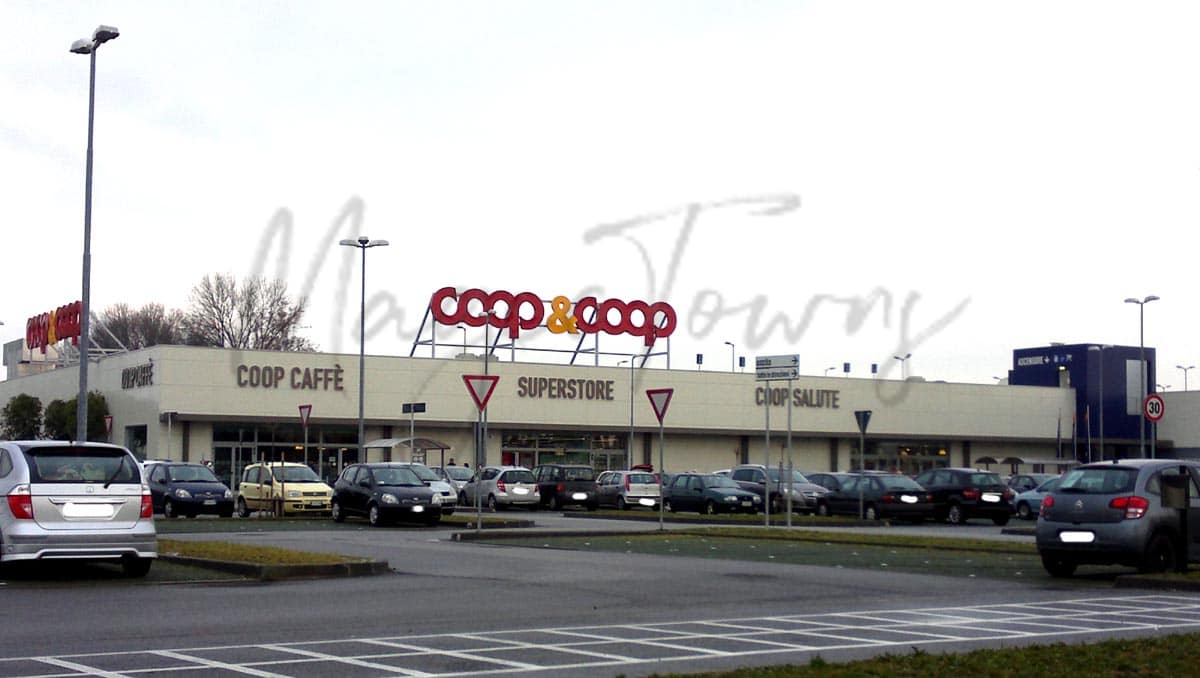
Coop
Coop is morally superior.
You sense it immediately. The signage is calm. The packaging whispers about sustainability. The bag of carrots includes a short biography of each vegetable.
You came in for yoghurt. You leave with a Coop bank account, a Coop mobile phone contract and a reinforced sense of civic responsibility.
It is owned by its members (over eight million of them), which means you are technically part of something larger. Possibly a movement. Possibly a pension scheme.
*Coop is one of Italy’s largest supermarket groups, operating supermarkets and hypermarkets nationwide.*
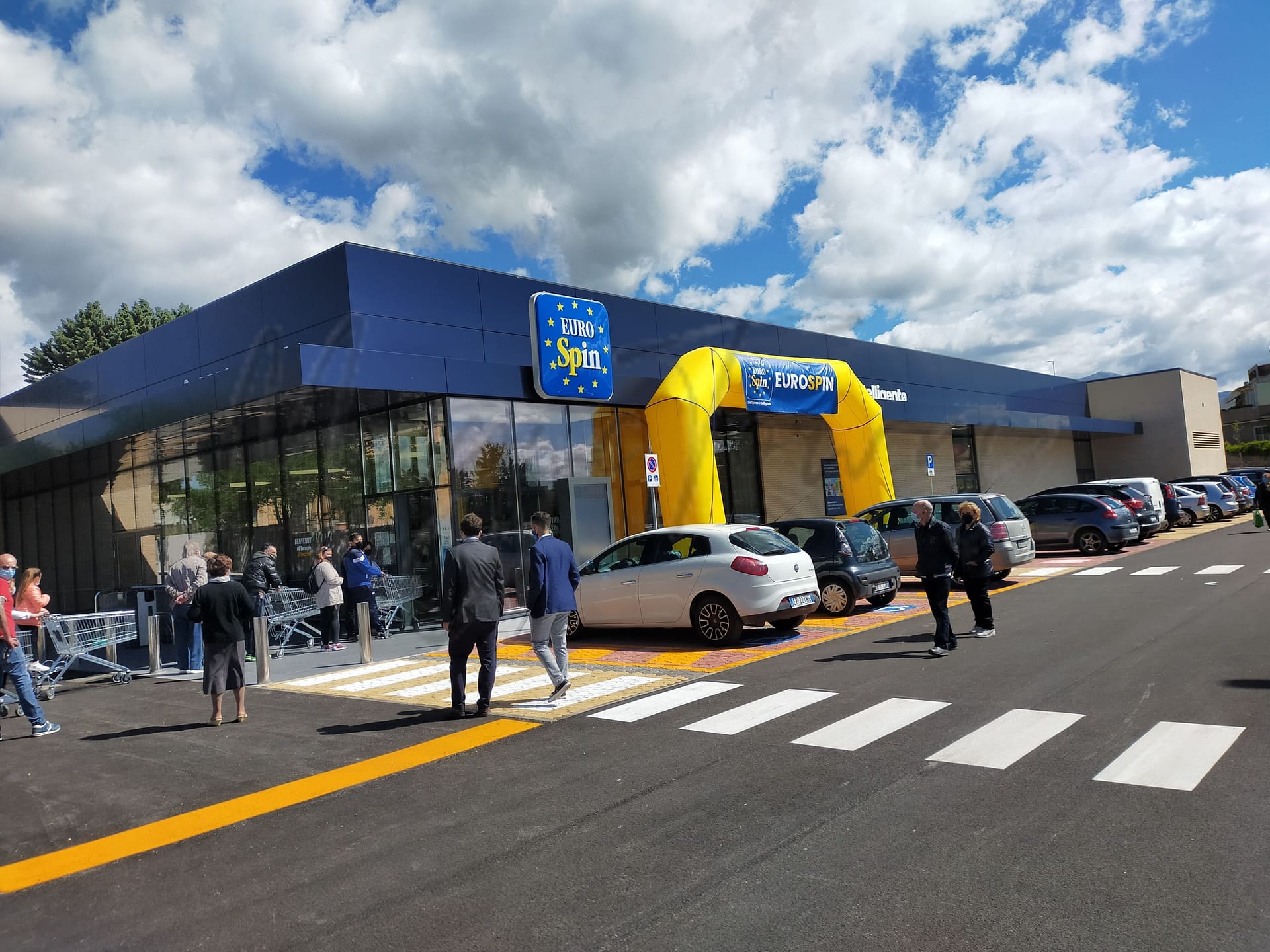
Eurospin
The philosopher’s supermarket.
No music. No distraction. Just pallets and fluorescent light.
Brands are close enough to the originals to be comforting, distant enough to avoid litigation. “Cola Free.” “Nutty Bella.”
The bill is surprisingly low. You wonder briefly what you have sacrificed. The answer, usually, is ambience.
*Eurospin is the largest Italian discount chain by number of outlets and has ranked among the cheapest in recent consumer surveys.*
Despar
Despar — part of the wider SPAR federation — is the most European of the lot.
The green tree promises order. What follows depends on the postcode.
Sometimes it is immaculate: wide aisles, polished fruit, a bakery that feels faintly Austrian.
Other times it is a village shop with enough ambition to outgrow a Crai. Three shelves of pasta. A freezer humming with 1994 energy.
Despar is not a chain. It is a suggestion.
The larger Interspar stores are where Despar remembers its Germanic heritage: vast parking, efficient signage, and the quiet confidence of a spreadsheet somewhere in the background.
*SPAR is an international retail group operating through regional partners; Italy is one of its largest markets, with over 1,000 points of sale.*
Final Thoughts
The mistake foreigners make is assuming Italian supermarkets are interchangeable. They are not. They are minor political statements.
Choose Lidl and you accept temptation. Choose Coop and you embrace virtue. Choose Eurospin and you respect arithmetic.
Choose Tosano and you will need a larger car.








 English
 French
 German
 Italian
 Danish