

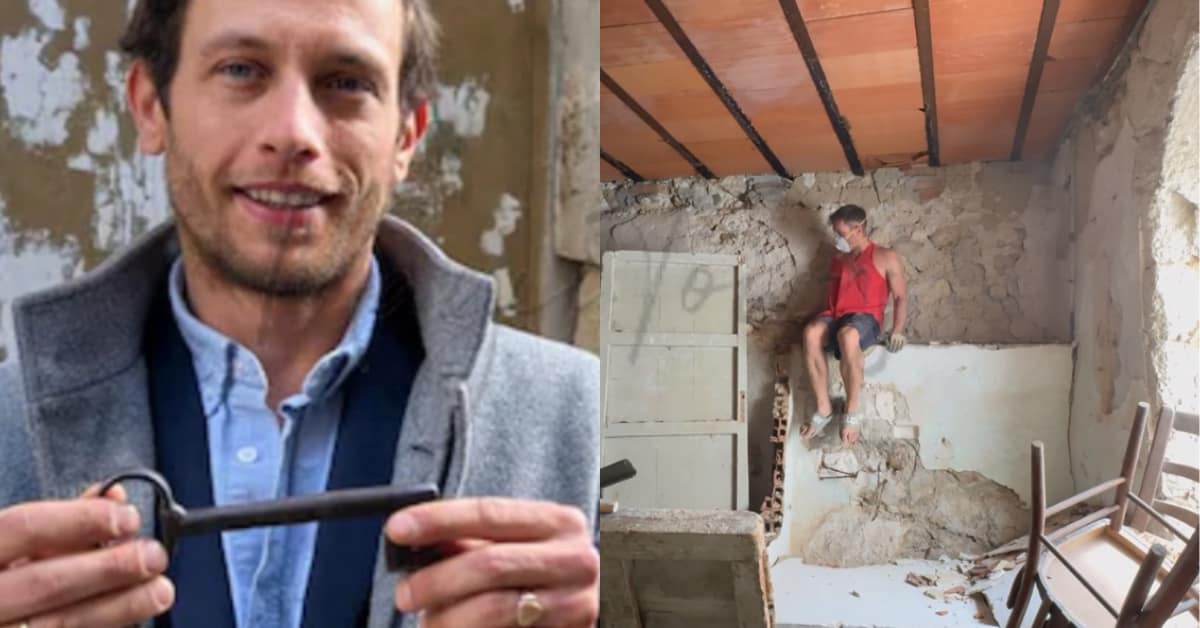
Sometimes rock bottom is exactly where you need to be to make the biggest leap of your life. Three years ago, George Laing was fired from his job in London during COVID. His relationship ended. He had to move out of his flat. For months, he lived in a storage unit, trying to figure out what to do next.
With just £4,000 in his bank account and rent in London that was eating him alive at £1,400 a month, George started searching for an escape route. Not a holiday. Not a fresh start in another city. An actual house he could buy outright and never pay rent again.
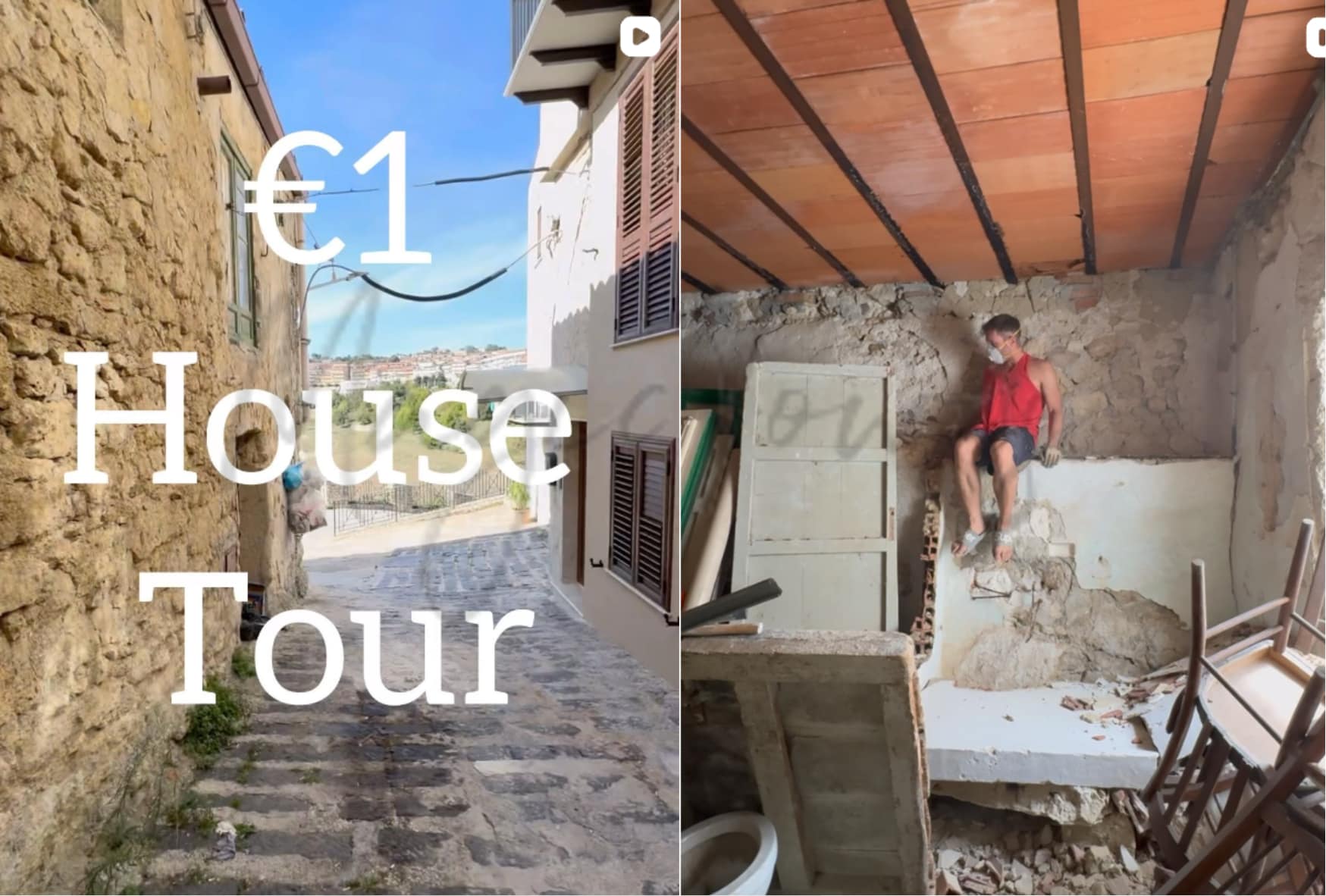
That search led him to Mussomeli, a small town in Sicily which has become famous under the €1 houses scheme. Within days of arriving, he decided to buy one. But what happened since that moment?
When Desperation Becomes Clarity
Without a clear idea of the town in his mind, George messaged 30 to 40 municipalities across Italy. Half got back to him. Half of those said the houses were already sold. But a few towns still had availability – and Mussomeli was one of them.
“Everyone online said ‘Don’t do it, it’s a scam.’ My family said it would cost too much to restore, take too long. I just ignored everyone.”
He booked a flight. Within days of being there, he bought a house and decided to renovate it completely by himself, without any background in the field – just watching videos and tutorials online. This meant living for weeks in a house with no running water, no electricity, and no ability to speak the language, working full days on the property and catching flights from Catania to London every few weeks.
“A lot of people aren’t willing to put themselves through what I put myself through. Living in an abandoned house with no basic amenities, working alone every day. It’s not a glamorous life. But the long-term benefits are huge.”
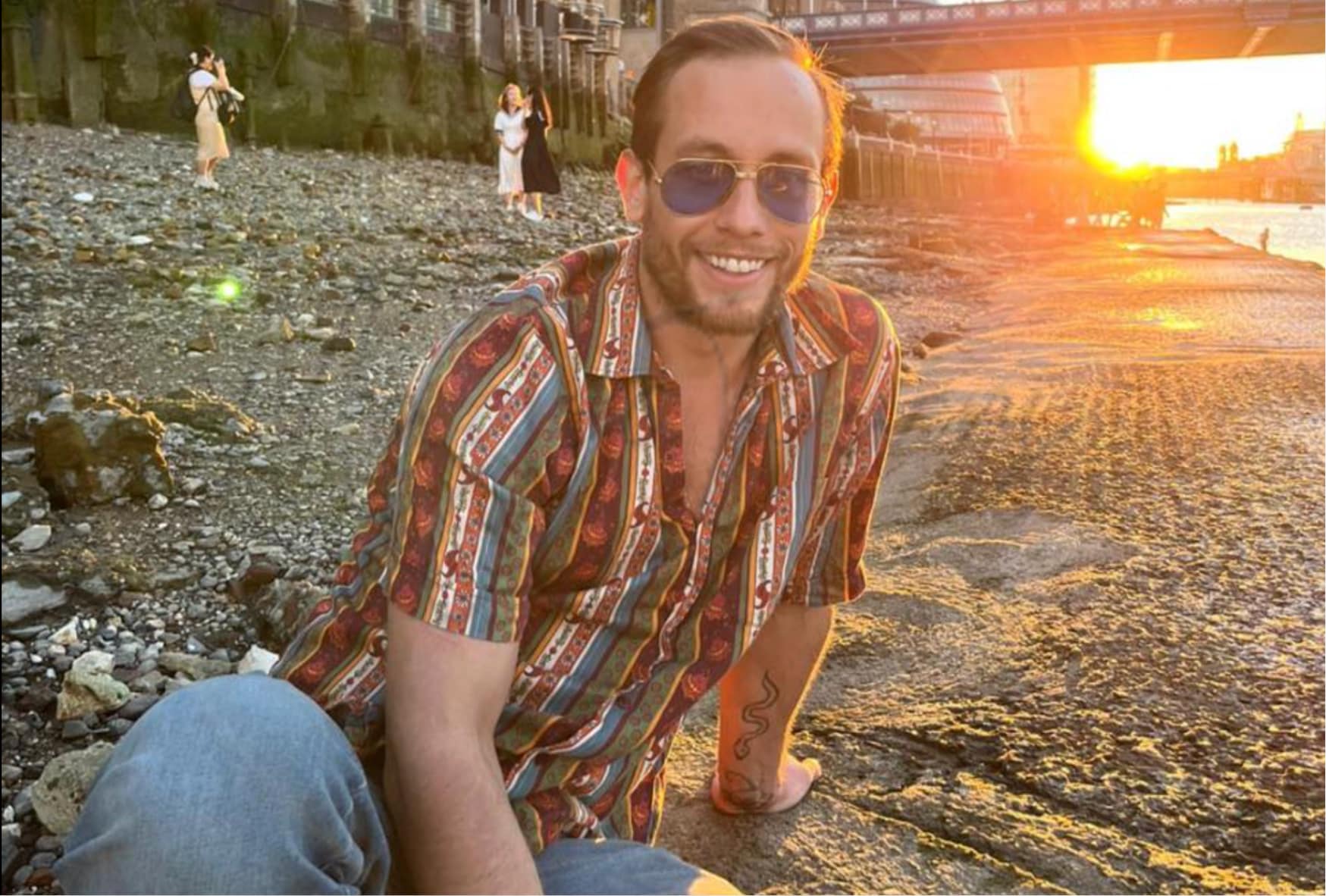
The Real Deal: What the €1 House Actually Costs
Let’s talk numbers, because this is where most people get confused – or scared off by rumors online. Considering that George did the renovation work by himself, the extra costs beyond the €1 house were:
- Agency fee: €500
- Notary fee: €2,800
- Energy Performance Certificate: €300
- Water connection: €1,000
Total cost to acquire the house: around €4,000. No deposit. No hidden fees. However, he suggests paying attention when it comes to renovation:
“The only time I’ve seen people have issues is when they pay a local contractor the full amount upfront. The contractor might do some of the work, then disappear or ask for more money before finishing. My advice? Structure payments in stages as work gets completed.”
The original rule required buyers to renovate the exterior and front of the house within three years. But now, because Mussomeli has nearly sold all 500 of its €1 houses and the town is thriving, they’ve scrapped that rule. You can take 30 years to renovate if you want. They’ve even introduced fast-track planning permission for turning roofs into roof terraces – something buyers requested because many houses don’t have gardens.
The original €1 house scheme came with a three-year deadline to renovate the exterior and front of the property. As Mussomeli has successfully sold nearly all 500 of its €1 houses, the municipality has adapted its approach. While renovation timelines are now more flexible, buyers are still expected to commit to restoring their properties and contributing to the town’s ongoing revitalization. The town has also streamlined certain processes including introducing fast-track planning permission for converting roofs into terraces – a practical solution many buyers requested given that older town houses often lack outdoor space.
The Community: Not a Ghost Town
Another thing that holds many people back from investing in these kinds of properties is the town itself – “Will it be livable?”, “It must be too isolated” are among the thoughts that cross many people’s minds. And although sometimes that’s true, this is not the case for Mussomeli.
First of all, the location: the town is right in the center of Sicily, and now that so many people have moved there, there are direct buses that run several times a day from Palermo to Mussomeli.
In fact, we can really say that the objective underlying this program (revitalizing dying towns) in this case was a success. The town is heaving with expats now from all over the world: Australia, New Zealand, America, Ireland, and more. People who want to spend half their savings on a house and use the other half to start fresh:
“There’s a heaving international community. You go to the local cafes at nine in the morning and it’s packed with expats. This summer, there was a Brazilian festival and there were at least 3,000 people in the town square until two in the morning. Nine-year-old kids running around at midnight, which is nice to see.“
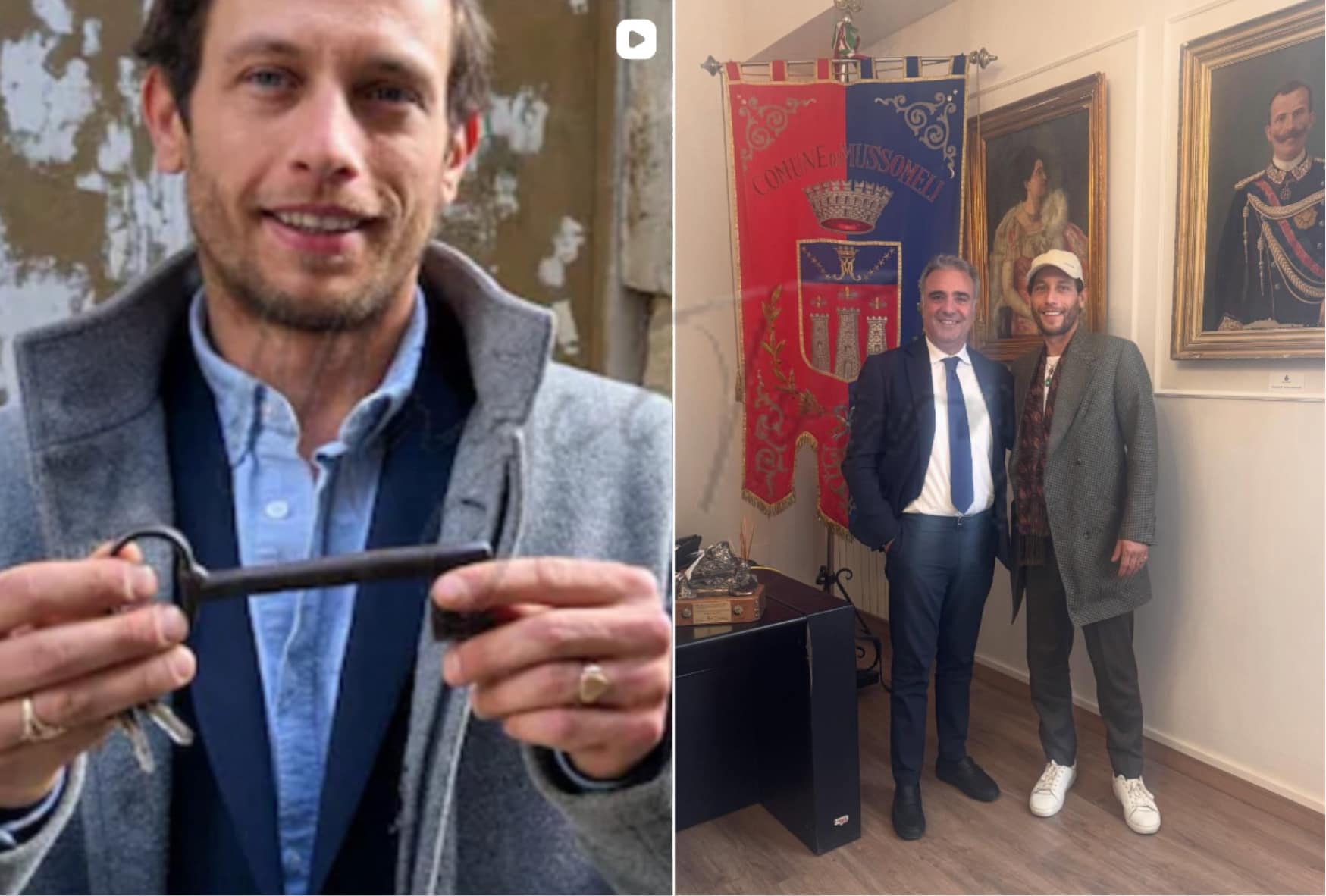
Mussomeli isn’t just surviving – it’s thriving. And that’s largely thanks to the mayor, who George credits with completely changing the city. The town has received substantial government funding, and in the last two months alone:
- Every single road has been ripped up and replaced with brand new ones
- A new outdoor gym has been installed in the town center
- A new kids’ playground has been built
- Entire sections of the town are being redeveloped
Even the locals who left years ago are moving back. And the B&Bs George used to stay in for €40 a night? They’re now €80 and fully booked all year.
Why It Worked (And What’s Next)
From this experience, George found a new direction in his life: showing his community online his journey, helping dozens of people move there, and in the next few months, he’s opening an antique store in Mussomeli. Now that most of the €1 houses are gone, George predicts the next wave will be houses under €20,000, then houses under €50,000. But more interestingly, local businesses are starting to change hands: “A lot of the older generation are retiring. Just before I left, I did a tour of a bar this woman was retiring—she wants to rent it out for €600 a month. In the UK, it would be at least €6,000.”
George is already planning his next moves: finding a business in Mussomeli, investing in a third property, and applying for Italy’s Digital Nomad Visa.
“The beautiful thing about what I’ve done is that compared to before, I don’t owe anyone anything. No one’s coming after me. No debt, no ties to the bank. And it doesn’t matter what I earn, because I’ve got houses I can live in and a roof over my head.”
George’s Advice to Anyone Considering This Investment
George is proof that you don’t need a perfect plan, a big savings account, or fluent Italian to make this work. You need willingness to do it – whether that’s relying on someone else to do the work, or as he did, relying completely on yourself and accepting to live uncomfortably for a while. The same guy who at the time was trying to escape from his own reality now gets hundreds of messages from people saying “You’re living my dream, I wish I was doing what you’re doing.” His response?
“If you saw my bank balance when I started two years ago compared to yours, you probably had way more money than I’ve ever had. A lot of people are their own worst enemy. They overthink. They focus on the problems, not the solution.”
What he suggests is to book a flight and go look at the houses: “The houses are so cheap, you can just get on with it and do it yourself. It doesn’t matter if it’s perfect. You own the house. Property prices are going up. You don’t have to do everything at once.”
Because sometimes you’ve got to move backwards to move forwards. And while George’s path isn’t for everyone, it shows what’s possible when you’re willing to bet on yourself.
Join the hundreds of expats who found their perfect Italian town through our Town Explorer. Members get instant access to advanced filtering tools, comprehensive relocation guides, and a free one-hour strategy session – everything you need to make your move with confidence, not confusion.







 English
 French
 German
 Italian
 Danish