

Relocating to Italy is a dream for many expats and retirees seeking la dolce vita, but the journey isn’t equally smooth for everyone. To help would-be movers gauge the challenge, we’ve created a Relocation Friction Index comparing eight countries – the United Kingdom, United States, Canada, Australia, France, Ireland, Denmark, and Switzerland – across key categories that affect the ease or difficulty of settling in Italy.
In this article, we’ll explain each category, present a comparative table with scores (1 = very easy, 5 = very difficult) plus short commentary, and dive into highlights for each country. Along the way, we’ll sprinkle in insights from an expat survey (yes, we actually asked real expats!) about common challenges and life satisfaction in Italy.
Don’t worry – we’ll keep it informative, a bit informal, and maybe lightly humorous (bureaucracy can only be laughed at so much). Let’s dive in!
What Is the Relocation Friction Index?
The Relocation Friction Index is our way of quantifying the “friction” you might experience when moving from your home country to Italy. We’ve identified six key categories where newcomers often hit bumps: Language Gap, Visa Complexity, Driving Licence Friction, Cultural Fit, Healthcare Access, and Relative Tax Burden. Here’s what each category means:
Language Gap: How different Italian is from your native language and how commonly you can get by with your language in Italy. A score of 1 means minimal language barrier (e.g. very similar languages or lots of locals speak your language), while 5 means you’ll likely struggle unless you learn Italian pronto. For example, English speakers face a moderate gap (lots of Italians know some English, but you’ll need Italian for bureaucracy), whereas French speakers find Italian relatively easy due to similarity.
Visa Complexity: The level of difficulty in obtaining the right to live in Italy – visas, residency permits, and the bureaucracy involved. EU citizens have it easiest (free movement means no visa required, just registration), so they score 1. For non-EU citizens, long-stay visas (Type D) are required for stays over 90 days, involving paperwork, proofs of income, and patience with consulates – these countries score higher. (Fun fact: Post-Brexit, Brits now fall into the “need a visa” camp too.)
Driving Licence Friction: How easily you can use or exchange your driver’s licence in Italy. Some countries have agreements allowing a straight swap of licences (score 1 = no sweat), while others require you to re-take the Italian driving test (score 5 = start studying those road signs!). For instance, EU licences are exchangeable without exams. The UK secured a bilateral deal post-Brexit so Brits can swap their licence without a new test. In contrast, Americans, Canadians and Australians have no general exchange agreement – they must endure Italy’s theory and practical driving exams after one year of residency.
Cultural Fit: This reflects how easily someone from that country might adapt to Italian social norms, lifestyle, and values. A low score means cultures are quite similar, a high score means significant differences (and potential culture shock). We consider things like communication style, attitudes toward rules and punctuality, collectivist vs individualist mindset, etc. For example, French and Italian cultures align fairly well (score ~2) with shared Latin European traits, whereas someone from Denmark (known for order and reserved demeanor) might find Italy’s more flexible, expressive way of life a bigger adjustment. No two people’s experiences are the same, but these scores give a general sense of “how foreign” Italy might feel.
Healthcare Access: How easy it is to access Italy’s healthcare system as a newcomer. Italy has an excellent national health service (Servizio Sanitario Nazionale – SSN), but your access depends on agreements and eligibility. EU citizens have seamless access using an EHIC card and can register for full coverage (score 1 = piece of cake). Some non-EU countries have bilateral agreements: for example, Australians get 6 months of public healthcare coverage thanks to a reciprocal deal. Absent such agreements, Americans and others must secure private insurance or navigate enrollment in the Italian system, making it trickier (higher score).
Relative Tax Burden: This one compares taxes and related headaches between your country and Italy. It’s not just about tax rates, but also treaties and filing obligations. A low score means moving to Italy won’t introduce much new tax burden or complexity; a high score means you could face complicated or higher taxes. For instance, Italy and France have similar tax levels and strong coordination under EU rules (low friction). But a U.S. expat deals with the worldwide tax issue – the U.S. taxes its citizens no matter where they live – leading to potentially double paperwork (the U.S.-Italy tax treaty prevents double payment of tax, but you still have to file in two countries). Meanwhile, a Dane might actually pay lower taxes in Italy than back home, but Italy’s tax system is entirely different and less automated, which can be an adjustment. We factor in these kinds of differences.
Each category is scored 1 (very easy/low friction) to 5 (very difficult/high friction). We also give an Overall Difficulty score as a rough average of the six categories – an at-a-glance summary of how hard it is to move from Country X to Italy. Now, let’s see how the countries stack up!

Relocation Friction Index Summary Table
Below is the comparison table for the eight countries in our study. Each cell shows the score (1–5). For example, 1 – “Free movement” means essentially no difficulty (common for EU citizens on visa matters), whereas 5 – “Must re-test” highlights a major hurdle (like having to take a driving exam). Use this as a cheat sheet to see where you might breeze through or hit bureaucratic molasses.
| Country | Language Gap | Visa Complexity | Licence Friction | Cultural Fit | Healthcare | Tax Burden | Score |
|---|---|---|---|---|---|---|---|
| United Kingdom ?? | 3/5 – Moderate | 4/5 – Post-Brexit | 1/5 – Easy swap | 4/5 – Noticeable | 3/5 – Manageable | 3/5 – Moderate | 3/5 – Moderate |
| United States ?? | 3/5 – Moderate | 4/5 – Bureaucratic | 5/5 – Must re-test | 3/5 – Adjust. | 4/5 – Difficult | 4/5 – High | 4/5 – Significant |
| Canada ?? | 2/5 – Low-Mod. | 4/5 – Bureaucratic | 5/5 – Must re-test | 3/5 – Adjust. | 4/5 – Difficult | 3/5 – Moderate | 4/5 – Significant |
| Australia ?? | 3/5 – Moderate | 4/5 – Bureaucratic | 5/5 – Must re-test | 2/5 – Similar | 2/5 – Easy | 3/5 – Moderate | 3/5 – Moderate |
| France ?? | 1/5 – Very low | 1/5 – Free move | 1/5 – Easy swap | 2/5 – Similar | 1/5 – Simple | 2/5 – Low | 1/5 – Minimal |
| Ireland ?? | 3/5 – Moderate | 1/5 – Free move | 1/5 – Easy swap | 2/5 – Familiar | 1/5 – Simple | 2/5 – Low | 2/5 – Easy |
| Denmark ?? | 4/5 – High | 1/5 – Free move | 1/5 – Easy swap | 3/5 – Notable | 1/5 – Simple | 4/5 – Complex | 3/5 – Moderate |
| Switzerland ?? | 1/5 – Minimal | 1/5 – Minimal | 1/5 – Easy swap | 2/5 – Some diff. | 1/5 – Simple | 2/5 – Low | 2/5 – Easy |
Table: Relocation Friction Index for moving to Italy (1 = easiest, 5 = hardest). Scores and brief commentary for key categories by country.
As the table shows, moving from France or Switzerland to Italy is about as frictionless as international relocation gets – merci and danke to EU/EFTA agreements and similar cultures. Ireland isn’t far behind on ease. On the flip side, USA and Canada pose the most challenges overall (score 4 out of 5), mainly thanks to visa hurdles, no driver’s licence reciprocity, and more complex healthcare and tax arrangements. UK expats now face higher friction post-Brexit than they did in the EU days, though not quite as much as their North American cousins, so we rate the UK move a moderate 3 out of 5. Australia also comes in around a 3 – similar to the UK – eased somewhat by a healthcare pact and cultural familiarity. Denmark is an interesting case: administratively it’s easy (EU member), but the language and cultural leap bumps its overall difficulty to a 3. In short, if you’re from an EU country (or Switzerland), moving to Italy is mostly an exercise in packing and finding a good espresso bar; if you’re from elsewhere, prepare for more paperwork (and possibly a driving test in Italian – gulp!).
Now, let’s break down a few highlights and unique considerations for each country. Even if your country scored the same as another, the reasons for friction can differ – so read on for details and some tips.
United Kingdom: Post-Brexit Bumps in the Road
Relocating from the UK to Italy has shifted from a near-formality (when the UK was in the EU) to a moderate challenge today. The visa process is the biggest new hurdle – since Brexit, Brits lose the automatic right to live/work in Italy beyond 90 days, meaning you’ll need to apply for a long-stay visa or Italian residency just like Americans or Australians do. This involves paperwork and dealing with Italian consulates, which can test one’s patience (start early and bring every document you think you might need, plus a few extras for good measure). On the bright side, many British retirees choose Italy on an elective residency visa, which is doable if you meet income requirements – but it’s still bureaucracy you wouldn’t face pre-2021.
The language gap for Brits is moderate. Italians study English in school and the tourist industry speaks it, so day-to-day basics are fine in major cities. But if you plan to live in Italy, especially outside expat-heavy areas, you’ll need Italian for things like comunale (town hall) errands and chatting with your neighbors. Expect far fewer Italians to speak English in rural Umbria than in central Rome. One humorous cultural difference: British people are famous for polite queuing and apologizing; Italians, well… let’s just say chi primo arriva, meglio alloggia (“first come, first served”) and don’t be offended if someone cuts the line at the bakery. It’s not rudeness, it’s efficiency (or so an Italian might joke).
A big relief for UK drivers: in early 2023, Italy and the UK struck a bilateral driving licence agreement, meaning Britons residing in Italy can exchange a UK licence for an Italian one without re-taking the driving exam. This is huge – for a while after Brexit, Brits were in limbo, and some had to refrain from driving. Now, as long as you were resident in Italy by the agreement’s implementation (or even newly arriving, as the deal continues), you can swap your licence at the local Motorizzazione office and avoid the dreaded Italian driving test. So in our index, Driving Licence Friction = 1 (straightforward) for the UK. (You might still endure some waits for an appointment, but at least you won’t parallel park under pressure.)
Healthcare access for UK citizens remains decent. While the UK is no longer in the EU, Brits can use the new GHIC (Global Health Insurance Card, which replaced EHIC) for temporary visits, and if you become a resident, you can enroll in the Italian health service by paying a yearly fee or through work contributions. The UK and Italy haven’t negotiated a special health agreement beyond the GHIC, so healthcare is not as automatic as for an EU citizen, but in practice many British retirees simply buy private health insurance until they establish residency and join the SSN. We scored this a 3 (manageable but not seamless).
On taxation, moving to Italy may actually lower some Brits’ taxes (Italy can be tax-friendly to retirees in certain regions, with flat 7% schemes for foreign pensioners). However, UK pensions and property rental income remain taxable in the UK too, and you’ll need to navigate the UK-Italy tax treaty to avoid double taxation. Professional advice is wise if you have significant assets. We gave tax friction a moderate 3 – not horrific, but do expect new filings and possibly hiring an accountant with cross-border expertise.

Overall, the UK’s Relocation Friction Index comes out to a 3 out of 5 – a moderate level of difficulty. Many Brits in our survey cited “navigating local administration” and confusion over new residency rules as challenges. One even lamented “not being able to switch my UK license for an Italian one” – a pain point now resolved. Culturally, Brits may need to adapt to different attitudes on bureaucracy (Italy’s paperwork is legendary, whereas the UK’s systems might feel comparatively straightforward). The key advice from those who’ve done it: be patient and embrace the change. As one British expat put it, “Have patience – things here move a lot slower. Find someone who can help you navigate getting everything you need; it made things much easier & less stressful.” In other words, accept that the dolce vita pace applies to government offices too, and enlist help (friends, relocation services, or a friendly geometra) when needed.
United States: High Friction (But High Reward)
For Americans, Italy offers sunshine, history, food, and a lifestyle many dream of – but Uncle Sam doesn’t make it easy to move there, and neither do Italian bureaucrats. We rate the USA to Italy relocation difficulty a solid 4 out of 5 (challenging), and here’s why.
Visas and residency are the first major hurdle. U.S. citizens enjoy visa-free tourist travel in Italy for up to 90 days. Beyond that, you must obtain a national visa (usually a Type D visa) for purposes like work, family reunification, study, or the popular Elective Residence Visa (for retirees or financially independent folks). The visa application requires gathering documents (proof of income/savings, background checks, etc.) and dealing with the Italian consulate in the U.S. – a process described by many as lengthy and sometimes perplexing. And it doesn’t end there: once you arrive in Italy, you have 8 days to apply for a permesso di soggiorno (permit of stay), which involves more forms, tax stamps, and a visit to the local Questura (police immigration office). None of it is impossible – thousands of Americans succeed each year – but expect a lot of “hurry up and wait.” In the InterNations expat survey, nearly 40% of expats in Italy were unhappy with the visa process, significantly above the global average.
Language gap: It’s a bit cliché, but it holds true – Americans can’t rely on “everyone speaks English” in Italy. While tourist areas and younger Italians may know English, to integrate and handle necessities you’ll need Italian. Our survey found the language barrier to be one of the most cited challenges. Imagine scheduling a medical appointment or explaining a plumbing issue with only hand gestures – it gets old fast. On the plus side, Italian is a fun language to learn and many Americans find locals appreciate even basic attempts. Italy ranks as a place where 57% of expats say it’s hard to live without speaking the local language, but encouragingly, over half also say Italian is relatively easy to learn. So, start practicing your ciao and grazie – it’ll pay off.
Perhaps the biggest thorn for Americans is the driving licence situation. Italy does not recognize U.S. state driver’s licenses for direct conversion. This means if you move to Italy long-term, you can drive on your U.S. license + International Driving Permit for only up to one year; after that, to legally drive, you’ll have to go through the Italian driving school system and exams. Yes, that means taking the theoretical test (in Italian, unless you find a translation arrangement) and a practical road test. Many expats dread this, especially older retirees who haven’t taken a driving exam in decades. No wonder we scored this a painful 5 – “must re-test.” A tip: if you don’t absolutely need a car, Italy’s public transport is pretty good in cities and trains connect most regions. Some Americans choose to live car-free, avoiding this hassle entirely. But if your Tuscan dream involves countryside drives, be prepared to either navigate Italian bureaucracy for a licence or keep trips short-term.
Cultural fit for Americans gets a moderate score. On one hand, Italy is a Western country with modern amenities, and urban Italians watch Netflix and use Instagram just like Americans. On the other hand, Americans often notice differences in work culture (Italy’s business environment can feel hierarchical and focused on avoiding risk, whereas Americans are used to flexibility and customer service friendliness). Daily life operates at a different rhythm – shops might close mid-day, dinner is late, and there’s a stronger emphasis on family time. Also, concepts of rules and when to bend them can differ; an American might be flustered by how rules seem negotiable in Italy (parking on a sidewalk? Sure, if everyone else is doing it). Conversely, Italians find Americans overly formal about procedures. A sense of humor and adaptability go a long way here.
Healthcare is a double-edged sword for U.S. expats. On the one hand, Italy’s public healthcare is high-quality and cheap (largely free or low-cost) compared to the notoriously expensive U.S. system. On the other hand, Americans can’t access it immediately unless they have a work permit or Italian spouse, etc. If you’re on an elective residence visa (retiree), you’re typically required to get private health insurance for the visa, and you might continue with that until you can enroll in the SSN (which usually requires obtaining your residency card). There’s no reciprocal healthcare agreement between Italy and the U.S., so you pay into the system or pay out-of-pocket. Bureaucracy to register for healthcare can also be, unsurprisingly, slow. So we gave healthcare access a 4 for Americans – not because Italy’s healthcare is bad (it’s quite good), but because initial access is a bit of a labyrinth for non-EU folks.
Finally, taxes. As mentioned, Americans face the uniquely American problem of citizenship-based taxation. Even if you move to Italy full-time and pay Italian taxes, the IRS expects you to file an annual U.S. tax return declaring your global income. You may not owe U.S. tax (thanks to foreign earned income exclusions and the U.S.-Italy tax treaty that prevents double taxation on the same income), but the compliance burden remains. It catches some expats by surprise that they need to hire a CPA who understands foreign income. Meanwhile, in Italy you’ll be filing taxes too (likely with an Italian accountant’s help unless you’re very savvy in Italian tax law). Italy’s tax rates on income are somewhat high (similar to U.S. in many brackets, with a top marginal rate around 43%), but Italy also offers some tax incentives to foreigners – for example, the residente non dom flat tax for high net worth individuals, or a 7% flat tax for retirees who settle in certain southern regions. These can mitigate the burden if you qualify. Nonetheless, juggling two tax systems is why we assign a 4 – High difficulty on tax matters for Americans.

In summary, moving to Italy as an American is definitely challenging but feasible. Our expat survey respondents from the U.S. frequently mentioned the visa process, language barrier, and bureaucracy (particularly getting residency and setting up utilities/bank accounts) as headaches. One respondent frankly warned: “If a person decides to move to Italy full-time, have patience. Things here move a lot slower” . But they also added an important silver lining: “Find someone who can help you navigate… I did. It made everything much easier & less stressful.” In other words, don’t go it completely alone – Italian friends, bilingual professionals, or experienced expat mentors can smooth the way. Despite the red tape, Americans overwhelmingly love the lifestyle once they’re settled. In fact, expats often rate their life satisfaction in Italy quite high (our survey’s average was about 7.2 out of 10, and 71% of expats in a global survey said they’re happy with life in Italy). The message: the friction is front-loaded during the move; the payoff is enjoying la passeggiata at sunset without a worry about your former 9-to-5 grind.
Canada: Similar Challenges to the U.S.
Canadian relocators to Italy encounter a very comparable set of challenges to Americans, earning Canada an overall 4 out of 5 on our difficulty scale. One might joke that the process isn’t any more polite just because you say “scusi” in a Canadian accent – Italy’s bureaucracy treats everyone equally (slowly).
Visas: As a non-EU country, Canada does not have free movement in Italy, so Canadians need to apply for the appropriate long-stay visa if coming for more than 90 days. Whether it’s a work visa, study visa, or elective residency visa for retirees, the steps are akin to what Americans go through: paperwork, proof of financial means, background checks, and so on, handled through Italian consulates in Canada. So visa complexity is high (score 4). The good news is Italy and Canada maintain friendly relations, and there are no quotas specifically limiting Canadians – you just have to meet the requirements and cope with the system.
Language: Canada’s two official languages are English and French, and interestingly this gives some Canadians a slight edge. English speakers will find the language gap similar to their American/UK counterparts – manageable but you’ll want Italian language skills for a smoother life. French-speaking Canadians, however, often pick up Italian faster due to the similarities between French and Italian (both Romance languages). In fact, many basic words and grammatical structures are close, so if you parle français, you might say bonjourno by accident only a few times before you get the hang of buongiorno. We scored the language gap as 2 (low-moderate) for Canada, reflecting that Francophone Canadians have a head-start while Anglophones are in the same boat as other Anglos. Regardless, learning Italian is advised for all.
Driving licence: Sorry, Canada – no special deal here. Italy does not have a reciprocal licence exchange with Canada, except for some specific cases like diplomatic personnel. The average Canadian moving to Italy will have to either refrain from driving after one year or go through the Italian driving exam process. There’s a bit of irony in that both countries drive on the right side of the road and presumably have competent drivers, but rules are rules. We mark this as a 5 – very high friction. Some Canadians reported in our survey that “not being allowed to drive” (presumably due to licence issues) was a significant frustration pre-move.
Cultural fit: Canada and Italy share some and differ some. Culturally, Canada is Western and multicultural, and Canadians are often celebrated for being friendly and polite – traits that actually go a long way in Italy, where courtesy (in forms like greeting the shopkeeper with a buongiorno) is appreciated. However, Canadians might be surprised by certain Italian quirks: the intensity of Italian debates (everyone talks over each other – it’s a sign of engagement, not anger), the concept of time (expect dinner invites to start later and last longer), or the bureaucracy (yes, we keep mentioning it – it’s that pervasive). Italy’s pace of life might feel slower or “inefficient” coming from urban Canada, but many expats grow to appreciate the work-life balance and emphasis on enjoying life. We give cultural fit a 3 – moderate for Canadians. It’s generally a pleasant adjustment, not a culture shock in the way moving to, say, rural China might be, but not as familiar as moving within North America.
Healthcare: There’s no Canada-Italy healthcare accord, so initially a Canadian in Italy is like an American – you’ll need private insurance or to pay into the Italian system. One difference: Canada has a public healthcare system at home, so Canadians are used to “universal healthcare,” albeit a different model. Italy’s system might actually feel more straightforward or faster in some respects (no need for referrals for specialists in many cases, for example), but it’s regionally varied. A Canadian expat in our network mentioned that navigating the Italian health system wasn’t too bad once they got their tessera sanitaria (health card), but getting to that point required getting the permesso and official residency first. We rate healthcare access difficulty as 4 for Canadians, on par with Americans – primarily because of the initial red tape and coverage gap until you’re in the system.
Taxes: The Canada-Italy tax situation is a bit more benign than the U.S.-Italy one. Canada, like Italy, taxes based on residency, not citizenship. So if you move to Italy and become a resident, you generally won’t owe Canadian taxes (as long as you sever residency ties in Canada) – you’d pay taxes to Italy on your Italian-source and worldwide income going forward. There is a Canada-Italy tax treaty that ensures any overlapping tax situations are resolved, preventing double taxation. The relative tax burden is similar: both countries have progressive tax rates with top brackets in the ballpark of 40-50%. We give this a 3 – moderate. You’ll still have to understand a new tax system and likely hire an Italian accountant (commercialista), but at least you won’t be filing two countries’ tax returns every year indefinitely (whew!).

Overall, Canadians face “significant friction” (score 4), much of it mirroring the experience of U.S. expats: expect bureaucracy, embrace learning Italian, and prepare for driving constraints. The journey can be tedious, but the destination – an Italian lifestyle – tends to make up for it. Canadian expats often cite the welcoming nature of Italian people as a big plus that helped them overcome integration challenges. In our survey, life satisfaction among North American expats in Italy was high, once they got through the initial adaptation phase. A Canadian might miss Tim Horton’s coffee, but they quickly learn that a perfectly brewed espresso at the local bar for €1 beats a double-double any day. ?☕️
Australia: Administrative Hassles But a Relaxed Fit
G’day to Italy! Australians find moving to Italy moderately difficult – we scored it a 3 out of 5 – quite similar to the UK scenario. In fact, think of it as analogous to a Brit’s experience, but with a 15,000 km distance and a fun accent twist.
Visas: Australia is, of course, not in the EU, so Aussies require a visa for long stays in Italy. The visa process and types are much like for Canadians or Americans: work visas, family reunification, elective residency for retirees, etc. No special treatment here, so visa complexity is a 4 (a fair bit of bureaucracy). One thing to note: Italy and Australia have a Working Holiday Visa scheme for youth, which is a neat option if you’re 18-35 and want to live in Italy for up to a year with the ability to work casually. That’s outside the retiree focus of this article, but it’s worth mentioning as an aside that many young Australians experience Italy through that program (and some never leave!). For retirees or families, though, it’s the standard visa drill.
Language: Australia might be English-speaking, but the good news is Italians find Aussie accents charming (thank you, Crocodile Dundee and Steve Irwin?). The bad news: that won’t magically make the Italians understand you if you don’t speak Italian. So, language gap is 3 – moderate. Just like other Anglophones, you’ll benefit greatly from learning Italian. Perhaps the Aussie sense of humor can be an asset – being able to laugh at oneself while mangling Italian grammar is healthy! In coastal or tourist areas, you might run into Italians who spent time in Australia (there has been some migration back and forth), and who have picked up phrases like “no worries, mate” – but don’t count on it widely. Embrace “ciao bella” and “grazie mille” as part of your Down Under charm.
Driving licence: Italy has no direct licence exchange with Australia, sadly. So, just like Americans and Canadians, Australians must re-take the driving test after one year of residency if they want an Italian licence. We score this 5 – high friction. On the upside, Australian expats often report that Italy’s public transport and walkability in towns mean they didn’t need a car as much as they thought. If you move from Sydney to a mid-sized Italian city, you might find you prefer walking to the piazza rather than driving to a mall. That said, if you settle in the countryside, a car is necessary, so factor in that potential hurdle.
Cultural fit: We gave this a 2 – relatively easy. Australians and Italians share a lot of cultural compatibility. Both value a good work-life balance (Australians have their beach/outdoors culture; Italians have their riposo and social evenings). Both cultures are generally friendly and informal in daily interactions. Of course, there are differences – Australians may find Italian bureaucracy exasperating (Australia often prides itself on no-nonsense administrative processes), and Italians might find Australians a bit too informal at times (remember in Italy it’s customary to greet shopkeepers and use titoli like Signora/Signore or even Dottore for your pharmacist). But overall, Aussies often slide into Italian life with a “she’ll be right” attitude that serves them well. One notable contrast: Italy is very old (historically and demographically), whereas Australia is a younger country with a vibrant immigrant culture. Some Aussies miss that dynamic diversity, especially if they move to a small homogeneous Italian town. But if you choose a city like Milan or Rome, you’ll find plenty of international flavor.
Healthcare: Here Australia gets a small gold star. Italy and Australia have a Reciprocal Health Care Agreement that covers Australian citizens for necessary medical treatment in Italy’s public system for up to 6 months. This is great for those doing shorter stays or the initial period of a move. It means if you’re traveling or in the process of getting residency, you won’t be left in the cold if you need a doctor or emergency care. For longer term residents, once you have your permesso and official residency, you can enroll in the SSN similar to others. We scored healthcare access 2 – easy for Australians, given this safety net. Do note: the reciprocal agreement doesn’t cover everything (e.g., not elective treatments or anything beyond essential care, and it has a 6-month limit per stay), so long-term you’ll still join the Italian system, but it certainly reduces anxiety for newcomers.
Tax: Australia, like Canada, taxes based on residency and has a tax treaty with Italy. So you won’t be double-taxed on the same income. The tax burden is comparable – both countries have progressive tax systems. For retirees, Australia doesn’t tax foreign pensions if you become a non-resident, and Italy might offer you favorable terms if you choose the right region. We marked this 3 – moderate. It’s a new system to learn (and Italy’s tax filings can be intricate), but at least you drop the Aussie taxes once you’re established in Italy (provided you truly relocate permanently).

In summary, Australians should brace for the bureaucratic hassles similar to other non-EU expats – visas, permesso, licence conversion – but can look forward to a lifestyle that in many ways aligns with the Aussie love of good living. You might swap BBQs on the beach for grigliatas in the Italian countryside, and cricket for calcio (soccer), but you’ll find Italians appreciate sports, nature, and food as much as you do. One survey respondent from Australia highlighted the importance of community: integrating into the local community was both the biggest challenge and the biggest reward. Once you crack into Italian social circles (often via sharing meals, participating in local festivals or even joining the town’s cycling club), you’ll feel at home. Our advice: be outgoing – channel that Aussie friendliness and strike up conversations at the café or with neighbors. Italians can be reserved initially, but they are generally warm and curious once they know you. And yes, they will ask you if you have kangaroos in your backyard; consider it an opening to many fun cross-cultural exchanges.
France: La Vie en Rose (et Vert, Blanc, Rouge)
Moving from France to Italy is about as straightforward as it gets for an international relocation. These two countries are like cousins – they might tease each other (over who has the better cheese or football team), but deep down they understand each other. We rated France a 1 out of 5 – Very Low Difficulty.
Visa Complexity: Essentially zero. Both France and Italy are in the EU, so French citizens have the right to live, work, and retire in Italy with no visa at all. It’s literally pack your bags and go. The only formality is that if you stay longer than 3 months, you should register your residency with the local authorities in Italy (at the Comune office) to get an official residence certificate. That’s mostly a paperwork exercise – bring your passport, proof of address, and declare you have sufficient means not to be a burden on the state (for EU citizens, a simple form or bank statement usually suffices). Compared to what non-EU folks go through, this is a cakewalk. So Visa Complexity = 1 (minimal).
Language Gap: French and Italian are both Romance languages, sharing a lot of vocabulary and similar grammar. For example, reservation in French is réservation, in Italian prenotazione – okay, those look different, but consider restaurant (FR) vs ristorante(IT), or cat (chat vs gatto – hmm, maybe not that one). But trust us, a French speaker will recognize many cognates in Italian and generally pick up the basics faster than an English speaker would. Additionally, many Italians learn French in school (it’s a common second language in Italy, though English has overtaken it among younger people). There are regions of Italy (the Aosta Valley, for instance) that are French-speaking or bilingual. Long story short, the language gap is very low (1) for French folks. You might even enjoy learning Italian as it will feel oddly familiar and yet charmingly different – like a dialect of your own language from an alternate universe.
Driving Licence: No issues – France is in the EU, so French driving licences are valid in Italy and can be exchanged for an Italian licence without any exam if you want, though you’re not even required to exchange it. Many French in Italy just keep using their French licence until it expires, then swap for an Italian one. It’s administrative, not a test. Score 1 (easy swap).
Cultural Fit: We give this a 2 – Quite similar. Sure, there are national differences: French might find Italians a bit more exuberant and less formal, Italians might find French a tad reserved or proud of their cuisine (which Italians secretly or not-so-secretly think is inferior to Italian cuisine – but we won’t start that war here!). Both cultures value good food, family, art, and a certain joie de vivre. The daily rhythm in Italy – long lunch breaks, late dinners – has parallels in France (where long lunches and late dinners in the south are also common, though Paris is more fast-paced). Bureaucracy in France is also infamous, so a French expat might actually feel right at home when told to get five stamps and wait in three lines to register something – it’s la même chose in a different language. One area of slight friction could be the work culture: French workplaces can be hierarchical and formal (use of vous, etc.), whereas Italian workplaces, while also hierarchical, might have different office etiquettes. But honestly, these are minor. Italian and French people have been intermingling for millennia; culturally, a French person in Italy is in familiar territory.
Healthcare: Being an EU citizen, a French person can use their European Health Insurance Card (EHIC) in Italy to access emergency or necessary healthcare easily. And if they become an official resident, they can enroll in Italy’s SSN (National Health Service) just like an Italian. Since both France and Italy have socialized medicine, a French retiree in Italy will find that medicines, doctor visits, etc., are handled in a somewhat similar fashion (with regional differences). We score it 1 – very easy access. Also, fun fact: many French in the border regions already pop into Italy for certain health services and vice versa under cross-border agreements. So it’s a well-oiled machine.
Tax Burden: Italy and France both have complex tax systems and relatively high taxes by global standards. However, moving between them is eased by EU-wide coordination. There are agreements to make sure a French pensioner in Italy doesn’t get double-taxed, for example. France has wealth taxes and certain social charges that Italy doesn’t, and Italy has some property taxes and nuances that France doesn’t, but overall we marked 2 – low friction. You might pay about the same portion of your income in tax, give or take a bit, and the treaty sorts out who taxes what. One could even argue Italy might be a tad better for retirees if you take advantage of special regimes (France doesn’t offer a 7% flat pension tax like Italy does for newcomers in certain areas).

Overall: France scores 1 (the easiest) on our index. If you’re French and dreaming of an Italian pied-à-terre, the main thing you’ll struggle with is deciding whether you prefer gelato over glace. Our survey didn’t have many French respondents complaining about the process – indeed, it’s often as simple as relocating from Paris to Provence, administratively. Cultural and language proximity smooth out most bumps. As a French expat in Italy, you’ll likely be the envy of your friends back home (who doesn’t want a friend they can visit in Tuscany?), and you may even form a bilingual social circle. In some northern Italian areas, you might find locals who speak French; in other areas, they may want to practice their French with you (for a change, you’ll be the native speaker!). C’est la belle vie.
Ireland: Easy Going from the Emerald Isle to the Bel Paese
Citizens of Ireland also enjoy an easy ride into Italy. We scored Ireland 2 out of 5, which in practice means most aspects are a breeze thanks to EU membership, with just a couple of mild challenges.
Freedom of Movement: Like the French, Irish nationals have the right to reside and work in Italy without needing any visa. So there’s no immigration hurdle – a huge advantage. You’ll need to register your residency locally if you stay long-term, but again that’s a routine process. So visa complexity is 1 – minimal. In fact, many Irish have moved to Italy under EU freedom, including a noticeable community in Rome and other cities, often working in international organizations or teaching English. No one will ask an Irish retiree for anything more than proof of EU citizenship to let them move to an Italian village and spend their days golfing or restoring a farmhouse.
Language: The Irish coming to Italy face a similar language gap as other English-speaking expats. We rated it 3 – moderate. While English is your native tongue, you’ll need to pick up Italian for deeper integration. However, one could argue the Irish might have a secret weapon: a cultural affinity for chat and stories. Italians love a good talk as well, so even if your Italian is broken, delivering it with Irish wit might win you some friends! Jokes aside, plan to learn Italian to navigate daily life. It will also help you appreciate the local pubs – er, bars, in Italy (which are more like cafés) – because you’ll want to know what everyone around you is bantering about (and they do banter).
Driving: As EU citizens, Irish license holders can drive in Italy without any need for conversion, and they can exchange their Irish driving licence for an Italian one if they become residents (no exam required). So driving friction is 1 – very low. If anything, the biggest driving adjustment will be going from left-hand driving in Ireland to right-hand driving in Italy. Remember to stick to the right and watch those roundabouts! But many Irish have done it, and you’ll quickly get accustomed. Also, fun cultural insight: Italian roads can be a bit anarchic compared to Ireland’s. Lane markings are… suggestions, and Roman traffic at rush hour can feel like a free-for-all. Approach it like a real-life video game (defensive mode) and you’ll be fine.
Cultural fit: We gave Ireland a 2 – relatively easy cultural fit. Ireland and Italy share some common threads: strong Catholic heritage (so church bells and religious festivals won’t seem strange), a love of social gatherings (the Irish pub vs the Italian piazza – both are hubs of community life), and a reputation for friendliness. Of course, there are differences. One notable one is pace and punctuality – Irish people are generally on time and things run fairly on schedule; in Italy, the farther south you go, the more “relaxed” schedules become. Another difference is directness: Irish communication tends to be polite and sometimes indirect, whereas Italians can be more direct (or even floridly dramatic) in expressing emotions. But these are minor, and often lead to endearing exchanges. One challenge an Irish expat joked about was that Italians didn’t “get” irony and self-deprecation the way Irish folks do – sarcasm can sometimes be taken literally. But once your Italian friends understand your humor style, they’ll join in the fun.
Healthcare: As with all EU citizens, Irish expats can access emergency healthcare with an EHIC and sign onto the Italian health service with minimal fuss. Italy’s healthcare might even feel more accessible, since Ireland has had its struggles with healthcare capacity in recent years. Either way, health access is 1 – easy for the Irish. And yes, you can find Italian doctors who speak English if needed – but many Irish expats end up trusting the local system and even praising it (especially the cost, since Italy has negligible fees for services that might be pricey back home).
Tax: Italy-Ireland tax relations are straightforward thanks to EU and bilateral agreements. Both countries have somewhat similar taxation approaches (progressive income taxes, etc.), and there’s a treaty to avoid double taxation. We note it as 2 – low friction. If you draw a pension from Ireland, for instance, you’d check the treaty to see where it’s taxed (many treaties assign taxation of government pensions to the home country, etc.). But generally, you won’t be significantly worse off tax-wise by moving to Italy; you just need to file in Italy and not in Ireland if you’ve officially relocated your residency. Some Irish retirees have taken advantage of the 7% flat tax in certain parts of Italy, effectively lowering their tax on pension income compared to what they might pay in Ireland – that can be a nice perk if you’re flexible on location (Southern Italy, small towns).

Overall: Ireland gets a 2 (easy). The typical Irish expat in Italy might struggle a bit with the language at first and chuckle or cry at the Italian bureaucracy (which anecdotally might be a tad worse than Irish bureaucracy – though Ireland has its forms too). But beyond that, it’s mostly positives. Our survey found Irish expats reporting high satisfaction, with only minor gripes about things like finding decent tea (yes, if you love your Barry’s or Lyons, bring some over – Italians are more coffee people!). One interesting tip from an Irish contributor: get involved in local activities. They found that joining the local football (soccer) club and volunteering at village events helped them integrate fast – Italians loved the fact that a foreigner took interest in their community. And given the famed Irish gift of gab, you’ll be swapping stories with nonna at the corner store in no time.
Denmark: Easy Move, Big Adjustment
From Denmark to Italy, the bureaucracy says “no problem” (both are EU, after all), but the personal adjustment might be the bigger hurdle. We scored Denmark a 3 out of 5 – moderate difficulty – unique in that the paperwork is easy but the cultural/language gap is what raises the friction.
Logistics (Visa, Work Rights): Simple – Denmark is in the EU, so Danes can move to Italy freely. No visa needed, just the standard EU citizen registration upon arrival. So administratively, Visa Complexity = 1 (none). Danish citizens also benefit from being able to work without permits, start a business, etc., just as Italians can in Denmark. So if a Dane wants to retire in sunny Sicily or work remotely from a Tuscan hilltown, nothing legal stands in their way. (In fact, a number of Danish retirees settle in warmer climes like Spain and increasingly Italy for the weather – an easy option EU citizenship affords.)
Language Gap: Here’s a kicker – Danish and Italian belong to completely different language families (Germanic vs Romance), and share almost no similarities. An Italian reading Danish sees a runic-like mystery, and a Dane hearing Italian might catch a Latin-derived scientific term here or there, but otherwise it’s all new. Furthermore, unlike Scandinavia where English proficiency is near-universal, Italy’s English proficiency is much more hit-or-miss. So Danes will find that outside tourist areas, communicating in English could be challenging (though younger Italians are improving in this regard). We gave Language Gap a 4 – high difficulty. It’s not impossible – Italians are friendly and will mime and help if you’re stuck – but to truly integrate, a Dane will need to learn Italian from scratch, which can be humbling if you’re used to everyone abroad speaking English or even understanding some Germanic cognates. The good news: once you learn Italian, you’ve basically unlocked Spanish and French too (hello future Mediterranean travels!). Our advice: enroll in a language class soon after arrival; it’s also a great way to meet people.
Driving: No issues here. Denmark being EU means your Danish licence is golden in Italy. Drive on the right, of course, but you already do that in DK. One funny thing you might encounter: Italian road chaos might alarm a Dane at first. Denmark’s traffic is orderly and rules are respected; Italy’s driving culture is more… let’s say, assertive. But you’ll adapt, possibly even relish it as a form of freedom (or you’ll decide to mostly use trains – also a valid choice). Anyway, Driving Friction = 1 (easy). If anything, keep an eye out on Italian roads for scooters weaving through traffic – a phenomenon less common in Copenhagen!
Cultural Fit: We rated this 3 – significant differences to reflect that Denmark and Italy sit at different ends of some cultural spectrums. Consider punctuality and planning: Danes are famously punctual and plan things ahead; Italians (especially in the south) might treat time more flexibly (the meeting starts when everyone arrives… eventually). Social trust and rule of law: Denmark is one of the world’s most transparent, least corrupt countries; Italy has a reputation (especially in certain sectors) for bureaucratic corruption and a “who you know” approach. A Dane used to streamlined digital services (NemID, anyone?) will be frustrated dealing with piles of paperwork and in-person stamps in Italy. Also, personal space and expressiveness: Danes can be more reserved and value personal space; Italians are physically and emotionally expressive – expect more gesturing, loud conversations, maybe even cheek kisses in greetings (which might feel invasive to a Scandinavian until you get used to it). On the positive side, if you as a Dane have felt life in Denmark can be a bit too structured or even strict (no jaywalking, no loud noises after 10pm, etc.), Italy might feel liberating. You can be a bit late, or slightly bend a rule, and the world doesn’t end – Italians roll with it. But if you love how everything just works in Denmark, Italy will test you. Hence the moderate score; it can be a culture shock indeed. Many Danes report initial frustration with how inefficient things seem, but also find joy in Italy’s vibrant social life and warmth once they adjust expectations.
Healthcare: As an EU citizen, you have full access. Use your EHIC for short term, register with SSN for long term – score 1. One notable aspect: Denmark’s healthcare is excellent and free at point of use, as is Italy’s. You might find waiting times in Italy for specialists similar or slightly longer than Denmark, depending on the region (northern Italy has medical services on par with northern Europe; southern Italy can be more challenged). But overall, you won’t be out of pocket significantly, and you won’t face any discrimination – Italy covers EU residents in the system.
Tax Differences: We gave Relative Tax Burden a 4 for Danes, which might seem odd since usually high tax = difficulty, but here’s the nuance: Denmark has one of the world’s highest tax regimes (top personal tax rates around 55-56% plus various duties). Italy’s taxes, while high, usually max out around 43% for national income tax (plus some regional and local adds). So in pure percentage, a Dane might actually pay less tax in Italy than at home. “Yay, a tax cut!” you might think. However, the narrative is that this difference can be a financial adjustment. For example, those high Danish taxes fund a lot of social benefits that in Italy you might have to pay yourself (e.g., Denmark’s elder care vs Italy’s expectation that family will handle some of that). Also, Italy’s tax system is complex and not as automatically administered as Denmark’s. In DK, many people have taxes deducted and auto-filed; in Italy, you’ll likely need an accountant and have to learn about things like IMU (property tax) or the cadenza of paying taxes in advance installments. It can be bewildering. So while the raw tax burden might lighten, the perceived complexity stays high. There’s also the fact that Denmark and Italy have a tax treaty, so if you have income sources back in Denmark (like a pension), you’ll need to navigate which country taxes what – usually straightforward, but again, not as effortless as life in Denmark where you probably never dealt with a foreign tax authority in your life. Thus, a higher friction score on “tax.”
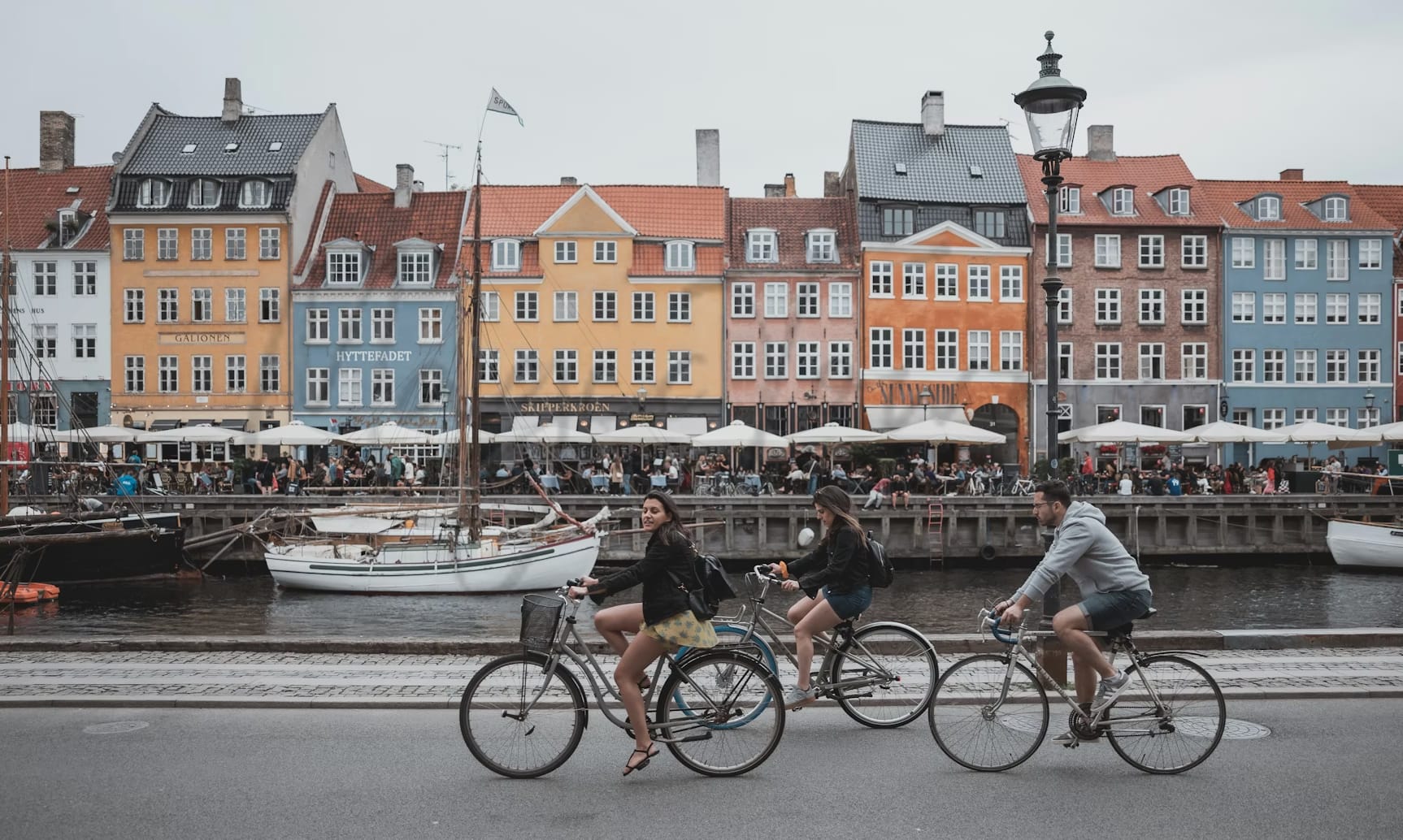
Overall: Denmark’s case shows that all the official ease in the world doesn’t guarantee a painless relocation. Paperwork is easy (thanks EU), but the human factors – language, culture – push the difficulty to a moderate 3. Danes moving to Italy should proactively tackle Italian language classes and prepare mentally to embrace a different style of living. A Danish expat once summarized it to us: “In Italy, rules are suggestions and time is a guideline.” It was said with a smile – because after some years, he actually preferred Italy’s more laid-back ethos and dreaded the rigid structures when he visited home. Many Danes end up loving the spontaneity and warmth of Italy, even if they forever miss the efficiency of Danish governance. One tip is to find the right community/region – some parts of Italy, like the far north (e.g., Trentino-Alto Adige), are much closer to Central European culture in punctuality and orderliness, which might suit a Dane better than, say, chaotic Naples (wonderful as Napoli is, it’s a sensory overload!). Italy is diverse; a Dane can find a niche that feels comfortable yet still enjoy the Italian vibe. And hey, at least the beer in Italy has improved – and if you can’t find your Carlsberg, there’s always a Peroni or Moretti to sip on a sunny piazza.
Switzerland: Almost a Homecoming
Moving from Switzerland to Italy might hardly feel like moving abroad, especially if you’re from the Italian-speaking canton of Ticino. We gave Switzerland an overall difficulty of 2 out of 5 – Relatively Easy.
Freedom of Movement: Although Switzerland isn’t in the EU, it has bilateral agreements with the EU (and specifically with Italy) that grant Swiss citizens largely the same freedom of movement as EU citizens. In practice, Swiss nationals can live and work in Italy without a visa; they just need to register their residence if staying long term. So visa complexity is 1 – minimal. The Swiss-EU agreements have held strong for years (there was some political wrangling, but an accord persists), and Italy has a close relationship with Swiss authorities. So legally, it’s smooth sailing.
Language Gap: Here many Swiss have a bonus. Switzerland has four official languages, including Italian (spoken by about 8% in Ticino and parts of Graubünden). If you’re a Swiss moving from those regions – congratulations, no language gap at all (score 1). If you’re Swiss German-speaking or Francophone, you still have an advantage: high exposure to multilingualism. Many Swiss learn Italian (or at least some basics) in school, and if not, you’re likely fluent in French or German which helps learn Italian via similarity (French) or through a disciplined approach (German speakers often find the pronunciation easy since Italian is very phonetic). Furthermore, Italians in the north often speak some French or German due to business ties with Switzerland/Austria, so communicating might be easier. We give Language Gap = 1 (very low) because of these factors. It’s worth noting that even culturally, Swiss and Italians have been mingling for ages – many Italians live and work in Switzerland and vice versa, so there’s a lot of mutual understanding linguistically and culturally.
Driving Licence: Switzerland has a reciprocal agreement for driving licences with Italy. Swiss licences are exchangeable in Italy without a test (and Italians can exchange in Switzerland). This is a straightforward process – fill out forms, provide a medical certificate, and you get an Italian licence in exchange for your Swiss one. Score 1 – easy swap.
Cultural Fit: We rated it 2 – some differences. Now, Switzerland is not monolithic – a Swiss from Zurich (Germanic culture) may experience more cultural contrast in Italy than a Swiss from Lugano (who might feel right at home). Generally, though, Swiss culture is seen as more reserved, punctual, and structured – even more so than Danish culture in some respects. Italians, as we’ve noted, are more improvisational. A Swiss might be shocked at Italian queuing practices or at how rules can be bent with a wink (whereas in Switzerland rules are rules). However, Swiss and Italians share a love for good living – food, wine, nature. And of course, parts of Switzerland are culturally Italian, so it’s hard to generalize. Let’s just say if you’re a Swiss German used to everything running like clockwork, Italy’s beautiful chaos will require patience (but you might secretly enjoy stores being open late and more relaxed closing times). If you’re from Geneva, you’ll likely find Milan or Turin to be not too dissimilar from home in lifestyle. Also, a fun aspect: Swiss and Italians have had a bit of a “sibling rivalry” historically (many Italians went to Switzerland for work; sometimes Swiss stereotypes of Italians were that they are less hardworking, etc., which is outdated). Those attitudes have softened greatly – nowadays younger generations mix freely in universities and companies across borders. We’d say Swiss often find Italians refreshingly warm, while Italians find Swiss admirably efficient. Marry the two and you get a super expat! So yes, a few differences to adjust to, but nothing dramatic – hence a low friction score on culture.
Healthcare: Switzerland isn’t in the EU, but has an agreement with Italy that allows Swiss citizens to access healthcare in Italy without much hassle. If you move to Italy, you can enroll in the national health service. There might be some coordination needed if you were using Swiss health insurance (which is private by law) – you’ll likely switch to the Italian public system if retiring here. But Switzerland’s system and Italy’s are comparable in quality; Italy might even feel cheaper since it’s funded by taxes (whereas Swiss pay high insurance premiums). We mark this 1 – easy.
Tax: Now, this can be interesting. Swiss taxes vary by canton, but generally Switzerland is known for lower taxes (especially on income and capital) compared to Italy. Italy’s taxes might be a bit higher than what you paid in, say, Zug, but maybe similar or even lower than if you’re from high-tax Geneva or Vaud. Either way, there’s a strong tax treaty to prevent double taxation, and many Swiss retirees can benefit from Italy’s special flat tax regimes if they choose. Also, some border-area agreements exist (though if you’re fully moving, those won’t apply). We gave a 2 – low-moderate here. You’ll just want a good tax advisor familiar with CH-IT rules, especially if you keep assets in Switzerland (e.g., Swiss wealth tax vs Italian wealth monitoring – different philosophies, but manageable).

Overall: With an overall 2 score, Switzerland-to-Italy relocation is in the easy tier. Honestly, for Italian-speaking Swiss, it’s basically like moving within your cultural sphere. For others, it’s not hard – many Swiss own second homes in Italy or spend long vacations there, so you likely know what you’re signing up for. Any challenges will likely be more about trading a very organized society for a somewhat less organized one. As one Swiss expat (from Basel) told us, “I had to learn to relax. In Switzerland I was always on time and efficient; in Italy I learned to sometimes just shrug and say ‘domani’ (tomorrow). It was healthy for me!” That sums it up – Italy might mellow out a tightly wound Swiss, and perhaps vice versa you can introduce some Swiss precision to your Italian neighbors (theywill be impressed if you show up exactly on time to a dinner – just prepare to wait for others anyway!). In all seriousness, the ties between Switzerland and Italy in business, academia, and tourism are such that you’ll find a lot of support as a Swiss person in Italy. Communities like the Swiss Club in Italy or informal networks in major cities can also provide a taste of home if you ever feel homesick for chocolate, punctual trains, or yodeling (just kidding on the last one… unless that’s your hobby, in which case, introduce it to Italy, they’ll love it).
Common Challenges & Tips for a Smooth Move
Having looked at each country, let’s zoom out to the common themes that emerged from our expat survey and research. Regardless of where you come from, some challenges seem almost universal for foreign retirees and expats in Italy:
Bureaucracy, Bureaucracy, Bureaucracy: This is the big one. An overwhelming majority of expats – from all nationalities – cite navigating Italian bureaucracy as the top challenge. Whether it’s obtaining a permesso di soggiorno, getting your residency certificate, opening a bank account, or registering a car, Italy’s administrative processes can test anyone’s sanity. In our survey, about 30% of respondents explicitly mentioned bureaucratic hurdles or local administration issues as a pain point. This aligns with broader expat statistics: 72% of expats in Italy say dealing with bureaucracy is hard, nearly double the global average. The best advice is to be patient, expect delays, and celebrate small wins (got your codice fiscale in one go? Treat yourself to gelato!). Also, don’t hesitate to ask for help – Italian friends or neighbours often know shortcuts or will accompany you to the office, turning a solo chore into a social outing (kind of).
The Language Barrier: While it varies by country (as we saw, French and Swiss folks have it easier than Danes or Americans), the Italian language comes up frequently as a challenge. Not being able to communicate effectively can make everything from grocery shopping to getting internet service more difficult. Around 1 in 5 of our survey respondents mentioned the language barrier specifically. And yet, those who overcame it often say it’s the single most important factor in feeling at home. Even if you’re starting from zero, invest time in learning Italian. Take a class, hire a tutor, or at least practice with apps and then practice in real life. Italians are generally appreciative of any effort and will encourage you. As an expat humorously noted, “Within the local authority it would help to have at least one English-speaking person employed, considering large number of expats… Learn Italian before moving”. In short: the onus is mostly on us to learn, not on them to accommodate. The sooner you do, the more Italy opens up for you.
Finding Accommodation and Navigating Housing: Several respondents struggled with finding the right area and long-term accommodation. Italy’s real estate market can be quirky. Rentals often require hefty deposits, many landlords prefer short-term or tourist rentals (especially in popular areas), and buying property comes with its own legal maze. One American mentioned “understanding the buying and renovation process” as a major challenge. Indeed, if you buy a historic home, expect layers of permits for renovations (and maybe an archaeological surprise or two). Our tip: engage a reputable real estate agent (agenzia immobiliare) who speaks your language, and join expat forums for area-specific advice. And yes, renovating requires patience and good local contractors – don’t rush it.
Driving and Transportation Issues: We’ve talked about the driving licence conversions, but even aside from that, not being able to drive immediately or buy a car without residency was a headache cited by some (e.g., UK expats stuck before the licence exchange deal, or those finding out you can’t register a car in Italy until you have your residency card). Public transport in Italy is generally good, but if you’re eyeing a rural retirement “under the Tuscan sun,” be aware that villages often have limited bus service. Plan how you’ll get around – maybe initially you rely on rides from new friends or taxis until you sort out a car or scooter. If you’re uncomfortable driving in Italy, consider settling in a well-connected town or one of the cities with good transit.

Understanding the Tax and Financial System: About 10% of our respondents flagged taxes or financial matters (“having to pay taxes as a non-resident”, “ridiculously complicated taxation system”) as a challenge. It’s true – Italy’s tax system has many moving parts (national, regional, municipal taxes, plus various deductions). And if you have income from abroad, you must figure out declarations in Italy and coordination with your home country. Solution: Consult a tax professional who specializes in expat taxation. It’s worth the fee for peace of mind. Also, some respondents were caught off guard by things like needing an Italian bank account (to pay bills via the ubiquitous bollettino orRID system) – opening a bank account was another cited difficulty. Pro tip: some international banks (like HSBC, if you have it) or online banks can be used to pay Italian bills, but eventually, having a local account is useful. Come armed with all identification documents to open one, and know that smaller town banks may not handle foreign customers often (big city branches might be easier).
Healthcare & Insurance: While not as frequently mentioned as other issues (possibly because many respondents had yet to fully engage with the health system), a few noted finding affordable health insurance or figuring out healthcare was confusing. If you’re not covered initially, shop around for expat health insurance plans that bridge the gap until you join Italy’s system. Italy’s pharmacies and private labs can handle a lot of routine health needs relatively cheaply out-of-pocket, so even without insurance you can manage basic care. For anything major, though, ensure you’re covered. Once you’re on the SSN, enjoy the fact that you won’t get a huge bill in the mail for an ER visit (a shockingly pleasant change for Americans in particular).
Adjusting to the Pace and “Rules” of Italy: Many challenges were softer, psychological ones: dealing with a slower pace, stores being closed at odd hours, figuring out unwritten rules (like how to pay a bill at the post office or the procedure to get a residency certificate – which often wasn’t clearly explained in any handbook). One survey participant quipped that you need to “make rules and expectations clear so we don’t have to guess randomly or through social smoke signals”– a feeling we empathize with! Italy doesn’t come with an instruction manual, and some things you “just learn by doing.” Expect an adjustment period where you’ll feel stupid sometimes – it’s okay! Every expat has stories of getting something wrong (lining up in the wrong queue, or not knowing you had to take a number ticket at the bakery and causing a kerfuffle). Laugh it off and learn for next time.
Regional Variations: It’s worth repeating that Italy is not one uniform entity. Your experience can differ wildly between, say, Milan and a Sicilian village. Northern Italy is more industrial, wealthier on average, and often more “northern European” in its bureaucracy and business (some say more punctual, more rule-bound – perhaps a bit closer to Swiss/German style). Southern Italy is more relaxed about time, but potentially more tangled in bureaucracy (paradossically, rules might be more confusing there and public offices slower). However, the south offers other ease: a retiree might find neighbors and local officials going the extra mile to help the friendly foreigner, whereas in a big northern city you might get treated more coldly by the system. So, consider this when choosing your new Italian home: what environment suits you? One expat from the UK in our survey complained about not being able to get things done as a non-resident, which is a national issue, but also that “landlords are afraid to rent long-term” – that can be especially true in hyper touristy areas (landlords prefer AirBnB). Meanwhile, other areas actively court foreign retirees. Small towns under the “Welcome to new residents” initiatives might roll out a red carpet for you (figuratively). Do some regional research: you may find your tribe and comfort zone in Italy more easily than you think.
Life Satisfaction: Despite the challenges, here’s the golden part – once settled, expats in Italy report high life satisfaction. Our survey’s average happiness rating was around 7.2 out of 10, and many respondents gave a full 10/10 for life in Italy. In the InterNations global survey, 71% of expats in Italy said they’re happy with their life (and that survey was skewed by working expats; retirees tend to be even happier, freed from some job frustrations). The climate, the food, the beauty, the social connections – these all richly reward those who push through the initial friction. As one expat put it: “If you move to Italy on a full-time basis, have patience… It made everything much easier & less stressful. If you can survive the first year, you’ll never want to leave.”
Conclusion: Embracing the Adventure
Relocating to Italy, whether from London, New York, Toronto or Copenhagen, is not a trivial undertaking – but it’s one countless expats and retirees have found immensely worthwhile. Our Relocation Friction Index gives a comparative sense of who has it easiest (EU neighbors like France) and who faces more hoops (hello, Americans and Canadians). Yet, even those with a “high friction” score eventually manage to cut through the red tape. The keys to success, echoed by expats, are patience, adaptability, and a sense of humor. Italy will sometimes make you scratch your head (or pull your hair) with its contradictions – ultra-modern in some ways, stubbornly archaic in others. But it will also make you pinch yourself with glee when you’re sipping wine on your terrazza at sunset, surrounded by la bellezza.
Buon viaggio e buona fortuna – we’ll see you in Italia! ?









 English
 French
 German
 Italian
 Danish