

Life has a way of surprising us. We spend years moving around the world, experiencing different cultures and societies. Some move fast and run efficiently; others are slower, more complex. But in the end, one thing always matters most: learning how to adapt and making the best of what a country offers you – sometimes even trying to change things yourself for the better of the society.
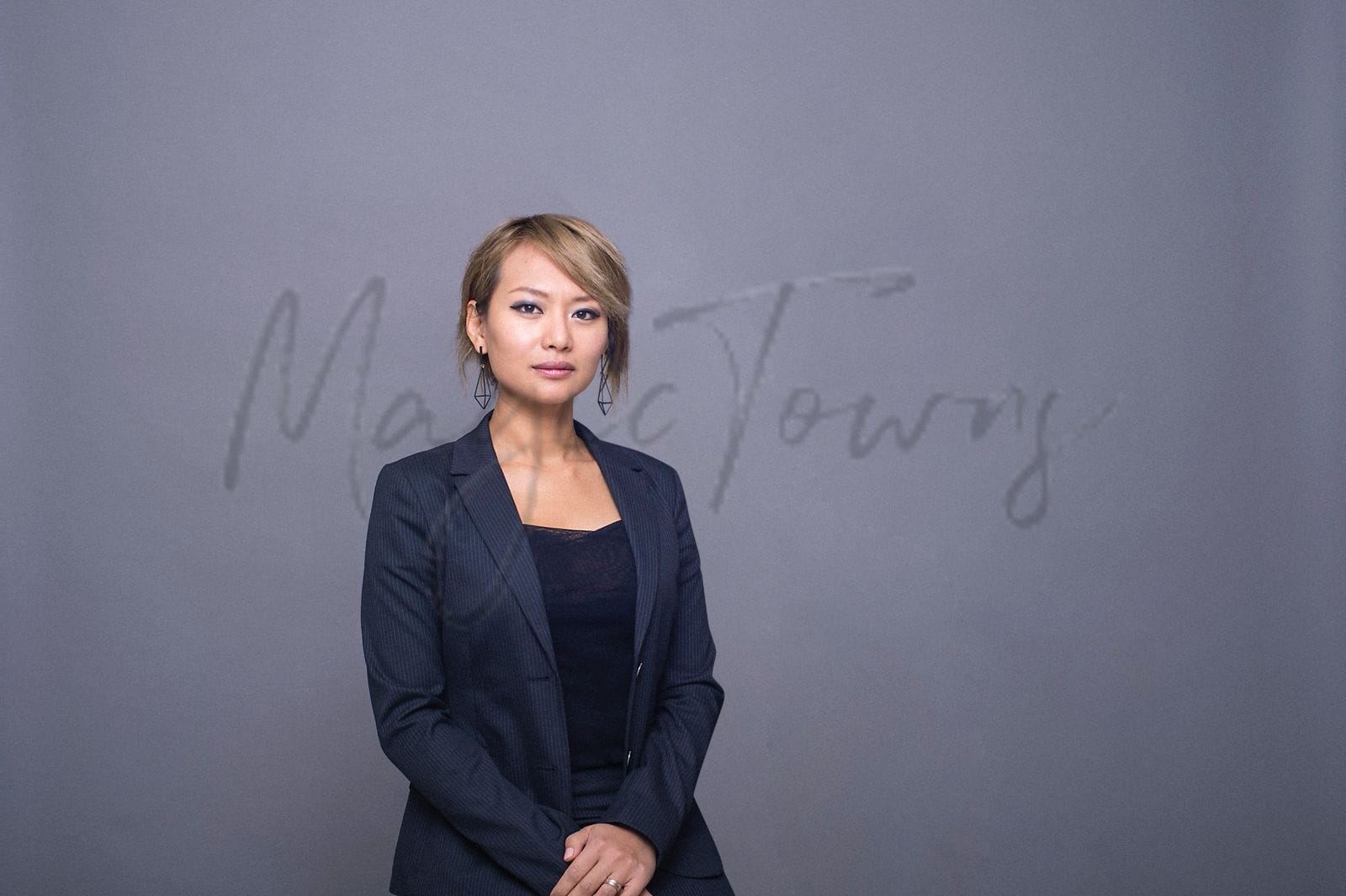
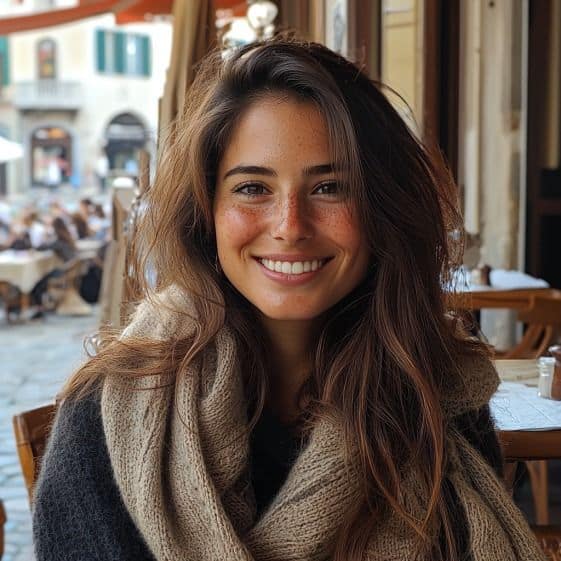
That’s exactly what Imelda Hertono did. She has lived all over the world – Indonesia, Singapore, France, Belgium, Norway – before finally settling near Brescia with her family. Today, she works as a Marketing Strategist and is the founder of WEAPN, the Women Entrepreneurs And Professionals Network, a community she created to support women in building careers and businesses in Italy.
Use our Town Explorer and filter by proximity to hospitals, nearby schools, property prices, climate, special 7% tax regime areas etc. to find the Italian city that suits you best.
Living Around the World: From Indonesia to Italy
Imelda was born in Jakarta, but her life abroad started early. At just nine years old, her parents sent her and her younger sister to Singapore for school. “My sister was seven at the time, and it was just the two of us. So we grew up on our own” she recalls.
Singapore, she says, was like living in a bubble where everything worked: efficient, clear, structured. “It’s a merit-based system where as a woman, if you worked hard, you could achieve whatever you wanted”
After several years there, she went on to study in France. Later, she returned to Singapore, where she met her husband. His job took them first to Belgium – where their first son was born – then to Norway, where their second son joined the family. And after more than two decades of moving across countries, Italy became their next home.
Leaving Norway for Italy: First Impressions of Lombardy
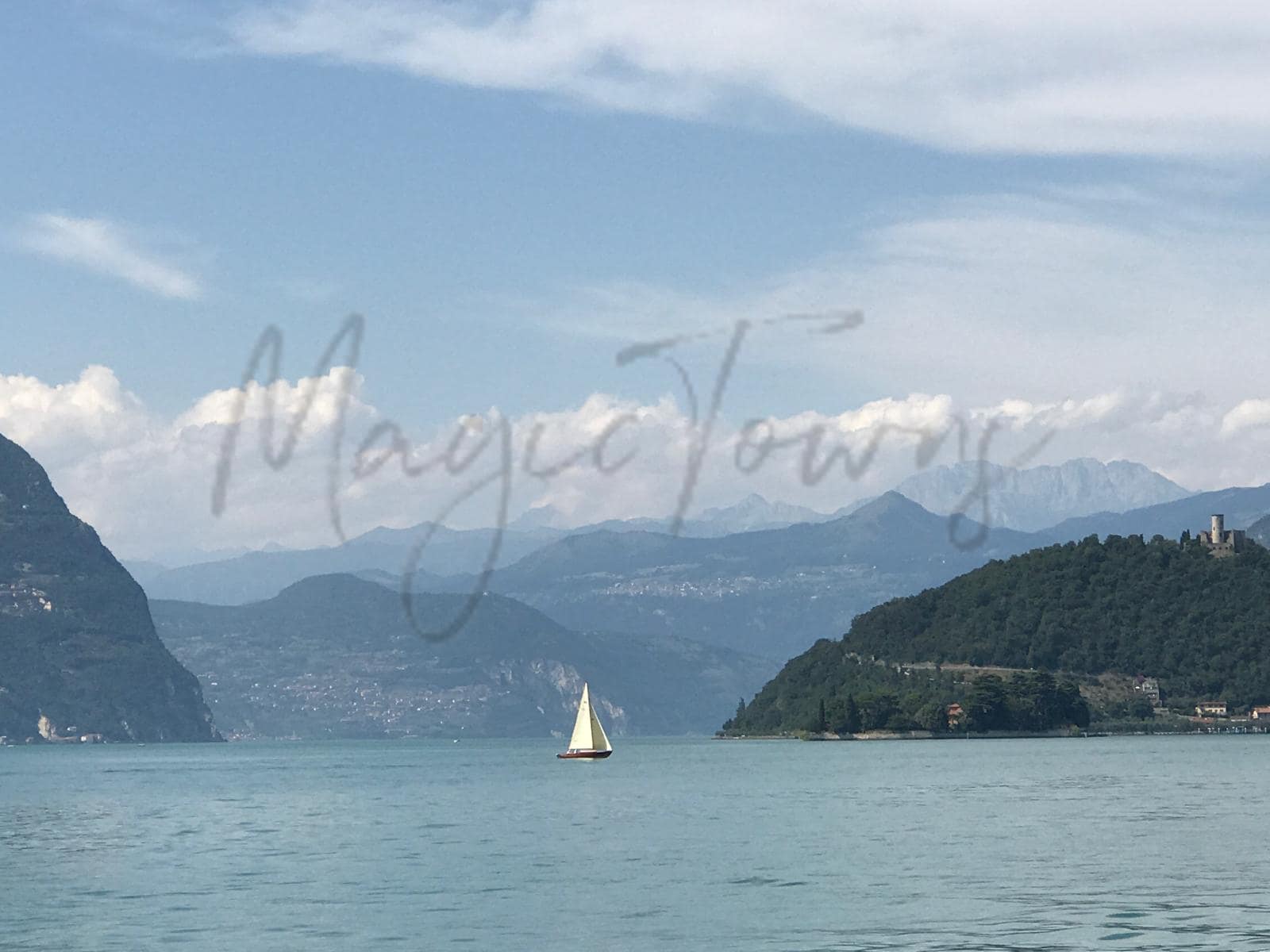
After some years in Norway, Imelda and her family decided to take up a job opportunity and move to Lombardy, in the Franciacorta area – a hilly region famous for its wine, located between Brescia and Lake Iseo.
“Well, after Belgium and Norway—where climate is usually grey, cold, and windy—Italy felt sunny and welcoming. You have the lakes, the mountains, the sea, the beaches, the nature… everything. So we thought: why not? It felt like a good opportunity, and we took it.”
One of the first places she visited was Gardone Val Trompia, where she immediately noticed the striking contrasts of the area:
“I was struck by how old everything felt. The infrastructure, the roads – many of them built in the 1950s and clearly not made for modern cars. But at the same time, the food was amazing. And I noticed how much people really care about how they present themselves. They dress so well, as if they’ve just stepped out of a magazine cover. I found that really beautiful.”
Challenges of living in Italy
One of the first things parents worry about when moving abroad is school. For Imelda, this became one of the toughest parts of adjusting:
“I have two boys, and from the very beginning – even in preschool – I felt like the whole structure was built in a way that mothers had to be constantly present, which makes it harder to build a career. That means mothers can’t really work full-time, unless they rely completely on nannies or after-school programs, which are not always realiable.”
Schools often finish early, around one or four in the afternoon, and the Italian system still puts a strong focus on memorization from the very first years: “Primary school children are expected to learn detailed facts, like every river or mountain in the country, and homework tends to be heavy. For working parents, this requires a level of daily involvement that can be hard to balance”.
Healthcare is another challenge. Italy ranks among the top countries in the world for the quality of its healthcare system, but navigating it isn’t always easy:
“As for healthcare, it really depends on the region. In Lombardy, access is relatively good. But in other areas, there are long waiting lists up to several months. And if you don’t speak good Italian, it could be complicated to navigate the system.”
Why Every Expat Should Learn Italian Before Moving
Although in Italy, compared to other countries, most younger generations now speak English, you can’t always count on finding someone who does. Many expats arrive without any knowledge of Italian, but if you plan to stay long term, having at least a basic grasp of the language is absolutely essential:
“When I first arrived, I knew almost nothing. My kids, though, picked it up so fast. After three months they were already reciting poems. My husband and I relied a lot on Google Translate in the beginning. Now I can conduct business and argue in Italian – not perfectly, but enough to get by. My advice for expats: start learning before you come. Immerse yourself—watch Netflix in Italian with subtitles, practice as much as possible. It makes a huge difference.”
If you’d like to dive deeper into this topic, we’ve just published an article on How to Learn Italian Faster as an Expat: What Works (and What Doesn’t), based on both our tips and the real experiences of other expats.
WEAPN: A Free Network Supporting Women in Italy
After moving to Italy, Imelda decided to take on a new mission: helping women find professional growth and opportunities. Over the years, she noticed a frustrating pattern across countries: women were consistently earning less than men – anywhere between 13% and 37% less – and career progression was often slower: “Many women want to start a business, but they feel lost in a system that can be complicated to navigate.”
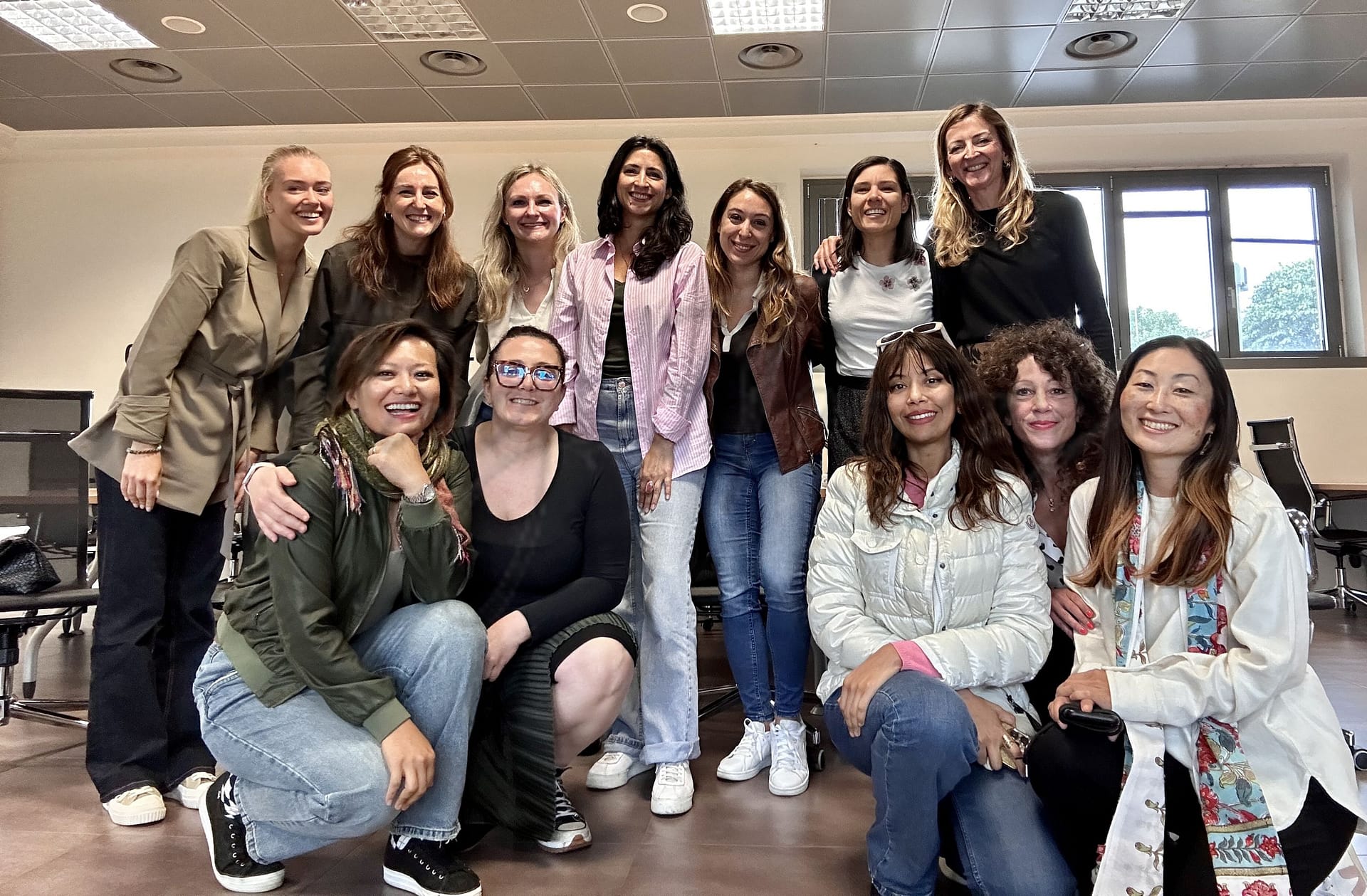
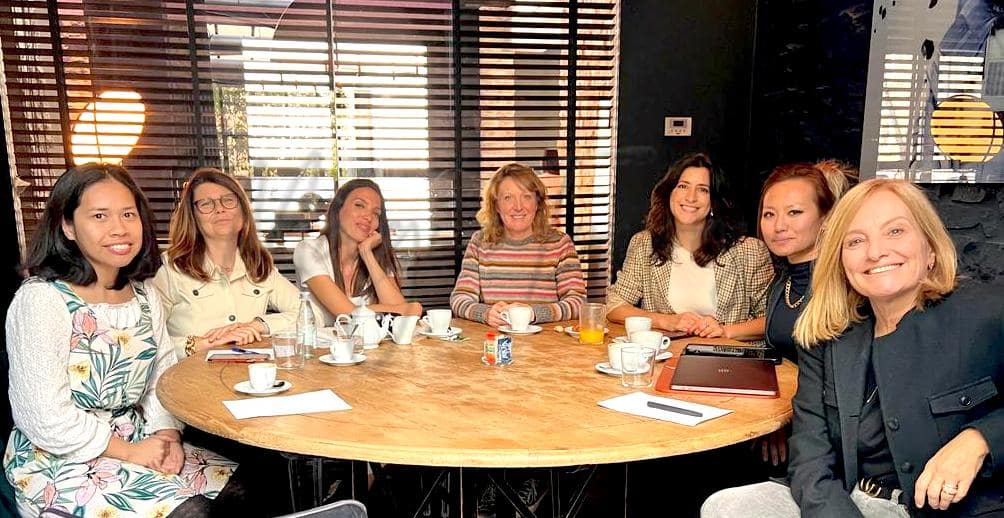
That’s why three years ago she founded WEAPN, a free network and safe space where both Italian and expat women and professionals living in Italy can share experiences and knowledge. The group meets monthly, both online and in person, to talk about practical issues: taxes, business development, marketing, branding, or even just finding the right professionals—whether that’s a reliable accountant or someone who can build a proper website.
“Because the truth is, without the right information, you risk losing time, money, and opportunities. And WEAPN also helps with isolation. When you arrive here as an expat, you often don’t have family or a support network. This community gives you motivation, support, and concrete tools to move forward.”
One Piece of Advice for Anyone Dreaming of Life in Italy
Changing things can feel difficult, sometimes even impossible. But Imelda has used her background as a global citizen and the skills she’s gained over the years to adapt and to support others facing the same challenges. Her message for expats is practical and simple:
“First: start learning the language before you come, that makes a huge difference. Second: find a trustworthy accountant and ask for everything in writing. Here, laws change all the time and professionals interpret them differently. If you’re not careful, you end up paying fines. Third: join a network. Don’t isolate yourself. Join events, associations, groups like WEAPN.”
Experiencing challenges with your move?
Become a Magic Towns member and get a free one-hour private consultation with our team.
Our annual plan costs less than what some “expat experts” charge for a single consultation, and you get everything else included: 1,500+ town profiles, audio guides for expats and retirees, premium filters (beach proximity, 7% tax towns, and more) and first access to case studies and guides. We do not take kickbacks or push properties. The goal is simple: help you choose well.






 English
 French
 German
 Italian
 Danish