

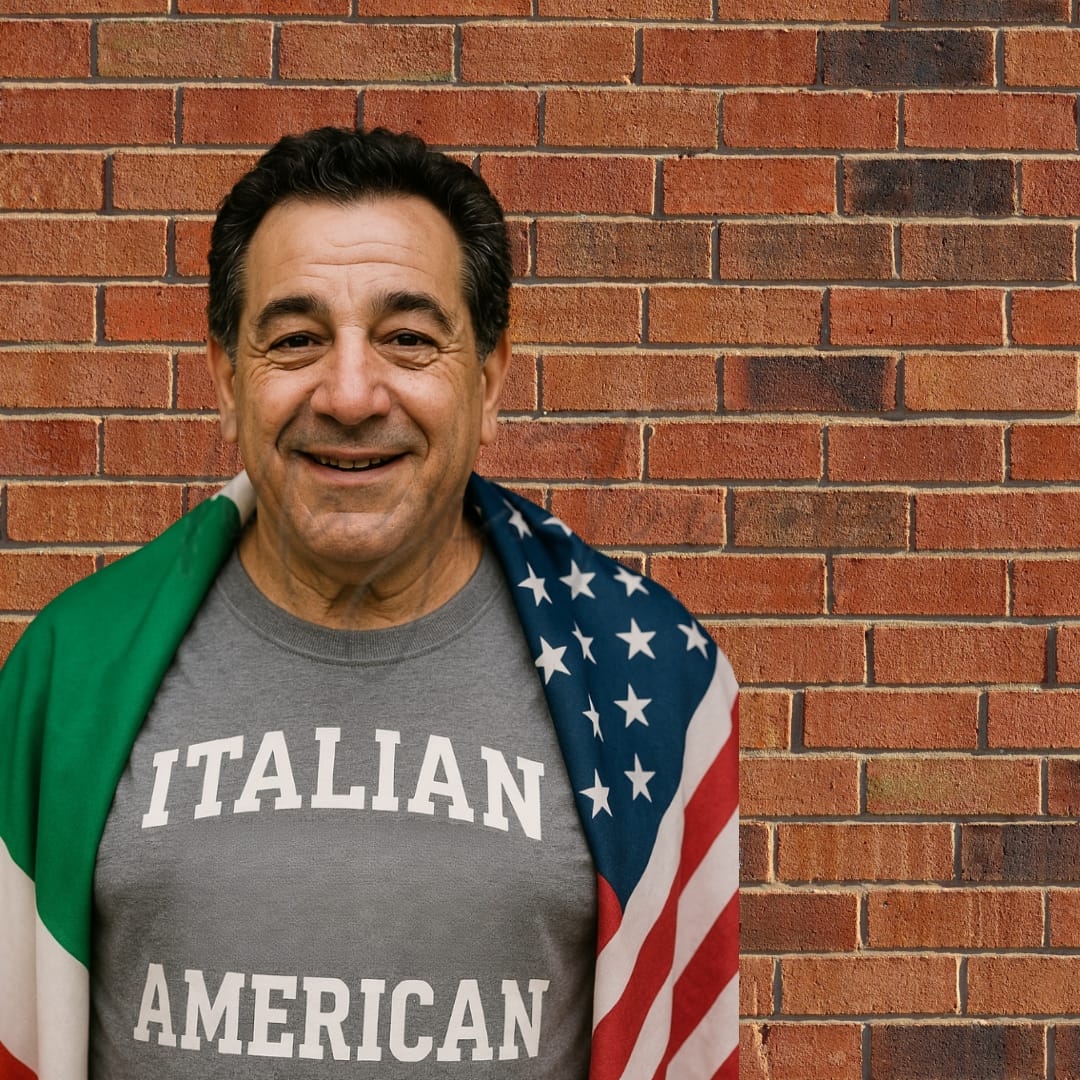
In March 2025, Italy enacted sweeping reforms to its citizenship-by-descent law, ending a decades-long tradition of recognising the right of distant descendants to reclaim Italian nationality. The new two-generation limit—and a forthcoming ‘genuine connection’ requirement—have abruptly closed the door to millions of Italian descendants around the world.
Italian Descendants Unite to Oppose Citizenship Law Changes
The petition that gathered these voices was launched by a Facebook group of affected descendants. Originally formed to support Americans and Canadians pursuing residency in Italy, the group offers guidance, insight, and peer support for those navigating the residency path. When the decree was announced, they quickly pivoted to advocacy, launching a survey to collect personal stories and raise awareness of the human impact of the new rules—a stark contrast to the paid services that the government criticised. Notably, the group wished to highlight that they are no mere “passport tourists” – a reference to the flood of applications from South America which are clogging Italian town halls and courts – but professionals and retirees wishing to make Italy their home.
When we at Magic Towns first reported on the decree and on the plight of those affected, it sparked immediate debate. Days later, the Venetian edition of the Corriere della Sera, Italy’s most read newspaper, picked up on the then-500 people strong petition and highlighted the growing backlash, particularly among English-speaking people of Italian origin from North America and Australia. Their voices are now flooding in, and the picture that emerges is deeply human.

Real Stories Behind Italy’s New Citizenship Law
These are not casual applicants chasing a passport perk. Many have studied the language, passed down traditions, invested in Italian property, or moved already to small towns, hoping to reconnect with their roots (quotes are anonymised for privacy).
One respondent shared: “My mother passed away at 60. All her grandparents immigrated from Sicily. I started the citizenship process to honour her and retire in her hometown. This new ruling has made that dream impossible.”
“I couldn’t afford to visit Italy until I was an adult, but when we did, it felt like home. I’ve spent months tracing my family history, learning Italian, and preparing documents. I hired a lawyer to begin the citizenship process—and then the law changed. I don’t just want to live there. I want to be recognised as Italian.”
Others, like R.G., shared the emotional toll: “I was raised to honour my Italian-American heritage… I have spent many hours collecting documents to prove my lineage. My appointment with the Italian Consulate in Miami is in 2026. I understand concerns about abuse, but this is a harsh decision.”
A woman pregnant with her second child wrote, “We wanted to move to Italy and I’m becoming fluent in reading, writing and speaking Italian. We’d do the 3-year naturalisation route but it’s too long to not have a steady income and I’d likely be alone without my young family.”
Another added: “I moved to Italy in 2024 after five years of research. I signed a lease, went back and forth due to paperwork issues, then the law changed. Now I must leave again while still paying rent. It’s devastating. I love Sanremo. It’s starting to feel like home.”
For those deeply invested in their Italian identity, the idea that heritage could be invalidated by legal decree feels like a personal betrayal.
As one wrote, “This is not just a passport. This is my identity.”
The Emotional and Financial Toll of Citizenship Denial
For those mid-process, the changes feel cruel. One respondent said, “Due to an error in Torino, I was left off my mum’s application. We’ve lived in Italy since October. Now we’re ineligible. We spent over €100,000. We’re considering legal action.”
Some stories stretch over generations and oceans:
“My great-great-grandfather drowned in Boston harbour in 1904. He never naturalised. I’ve spent years tracing documents to honour him. This decree erases all that effort and legacy.”
Others expressed concern for their children’s future:
“All 8 of my great-grandparents immigrated from Italy. We’ve passed down our heritage. I wanted to reclaim citizenship to preserve that link for my children. These changes are heartbreaking.”
“I can get citizenship, but not pass it to my daughter when she turns 18. Italy wants young, working citizens. Why bar them from entry?”
What’s the Alternative?
Instead of closing the door on many Italian descendants, some propose a more constructive path to citizenship reform:
“If the real concern is with local offices being inundated by people who never intend to live in Italy, why not introduce a two-year minimum residency requirement before one can apply? Those with Italian bloodlines who are willing to commit to life here could help reverse depopulation and support ageing communities. They would also contribute economically—renting homes, shopping locally, enrolling children in schools, and even investing in property or starting businesses. Isn’t that what Italy needs?”
Add Your Voice to the Petition
There have been over 500 responses to the survey in a week, showing how deeply people feel about this issue. People can still submit their signature to this landmark petition at this link. A “welcome pack” including a copy of the signed petition, which is updated with new signatures in real time, and contacts of Italian politicians to send it to, is sent to everyone that participates.








 English
 French
 German
 Italian
 Danish