

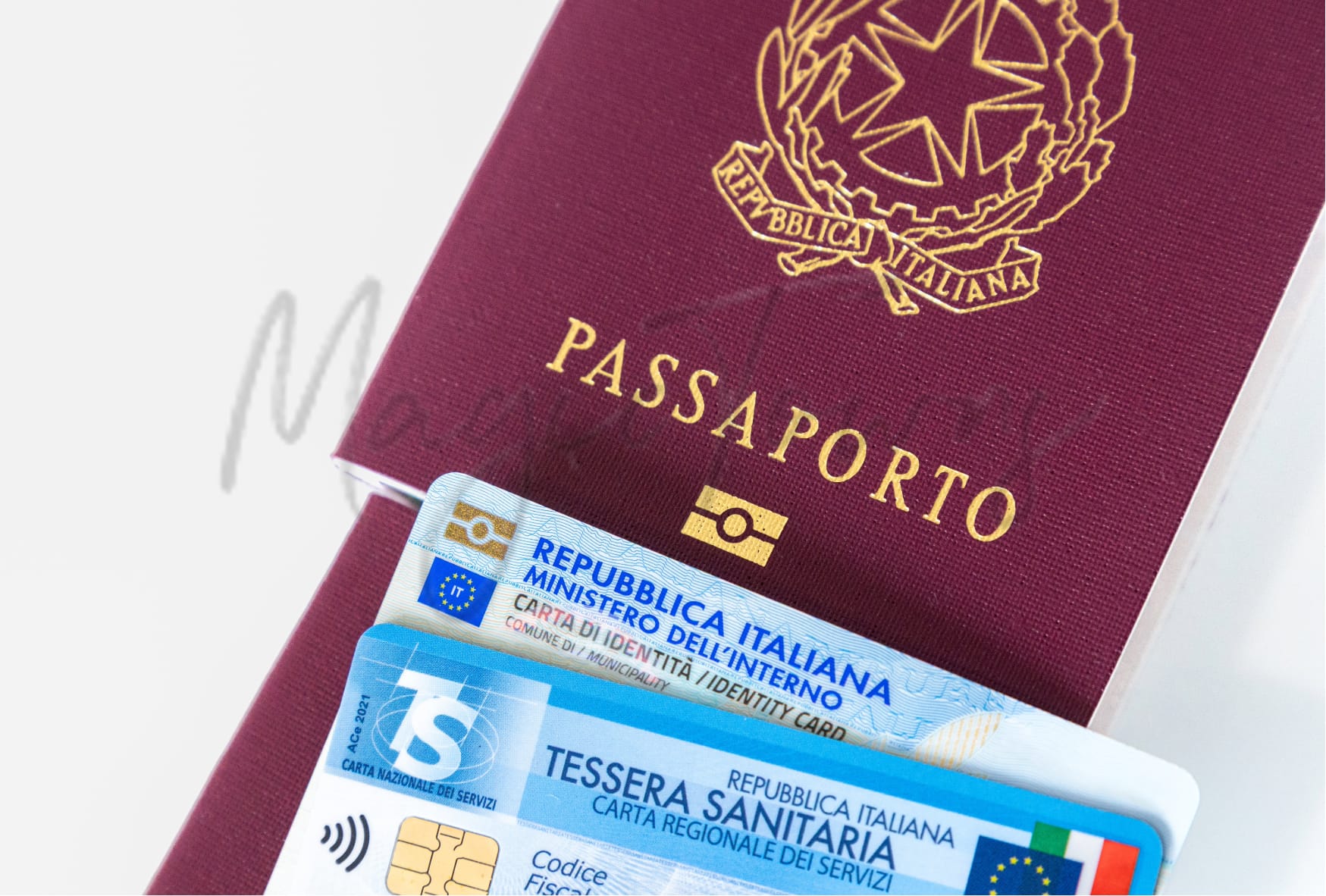
If you’re planning to spend time in Italy – whether for work, study, property purchase, or just an extended stay – getting a codice fiscale (Italian tax code) is essential. This little number unlocks many day-to-day activities: you’ll need it to sign up for services, open a bank account, sign a lease, buy property, and even register for utilities. Simply put, life in Italy is much smoother with a codice fiscale in hand.
Think of it as Italy’s version of the U.S. Social Security Number or the U.K.’s National Insurance Number. It’s a fundamental element of Italian bureaucracy, and it serves as your unique identifier for any interaction with the Italian government – and plenty of private ones too.
The good news? Getting one is fairly straightforward, and we’re here to guide you through the steps, whether you’re abroad or already here in Italy.
What Is It Used For?
The codice fiscale shows up everywhere. For property purchases and auctions, you simply cannot buy a property in Italy without one. It’s also required to obtain your tessera sanitaria (health card), which links your identity to your medical records within Italy’s public health system. Beyond that, it’s needed for any private contracts – leasing an apartment, setting up internet services, signing employment contracts. You won’t even generally be able to buy an Italian SIM card without one.
If you’re planning to move to Italy or have just arrived, getting your codice fiscale should be one of your very first steps.
How to Get Your Codice Fiscale From Abroad
If you’re still outside Italy, you can easily get your codice fiscale by visiting your nearest Italian embassy or consulate. Bring your passport (or your EU/EEA ID if that applies to you) – it’s typically a quick process. In some locations, like the Italian embassy in Valletta, Malta, you may be able to walk in without a prior appointment, but it’s best to check with your local consulate first. Most expats receive their codice fiscale on the same day, and there’s no charge.
As mentioned, if you’re planning to buy property, make sure to secure your codice fiscale early. You will not be able to buy a property without one, so it’s a practical step to take care of before you make any big decisions or sign on the dotted line. And yes, even without an Italian visa or residency, you’re eligible to apply.
Applying for a Codice Fiscale in Italy
Already in Italy? You can apply in person at the Agenzia delle Entrate, the local tax office. It’s simple: show your ID, fill out a form, and you’ll receive a printed certificate with your codice fiscale immediately. You can also opt to receive a green plastic card by post, though most people use their tessera sanitaria, which has the codice fiscale printed on the back.
The Italian tax authorities have helpfully created a video covering the essentials:
Don’t Use a Codice Fiscale Generator
For individuals, 16 alphanumeric characters make up the tax code, while for companies, it consists of 11 numeric-only characters. These computations take into account personal details, such as surname, gender, birthplace, and date of birth. It used to come as a paper or plastic card, but today it’s commonly printed on the back of your tessera sanitaria, which has an expiration date for qualifying residents. The code itself, however, is yours for life.
To prevent discrepancies and duplications, only the tax office can issue an official tax code. While it is generally true that online services that “generate” a codice fiscale end up giving out the same result as the official one, this isn’t always true. Furthermore, you must have the Italian tax authorities assign you one – if they haven’t, and you “generate” a codice fiscale on a third party website, it will not be valid and, worse still, by using it you will be committing fraud at Italian law. Just ask the local tax office or the nearest consulate to give you one – it’s quick and free of charge.
Special Consideration for Women
In Italy, a woman’s surname doesn’t officially change after marriage, rendering a new fiscal code or identity documents unnecessary if she had one prior to the wedding. However, for those obtaining the fiscal code post-marriage, especially expatriates, the principal identification document’s surname must be used when applying for the fiscal code. In a nutshell, the codice fiscale you get when you request it is yours for life.
If you have more questions about the process or run into any bumps along the way, feel free to reach out to Magic Town or connect with one of our advisors. We’re here to help make your Italian adventure as smooth as possible.
Sources
- Italian Agenzia delle Entrate – Requesting or Duplicating a Codice Fiscale
- Italian Foreign Ministry – Codice Fiscale at Embassy or Consulate









 English
 French
 German
 Italian
 Danish