
 English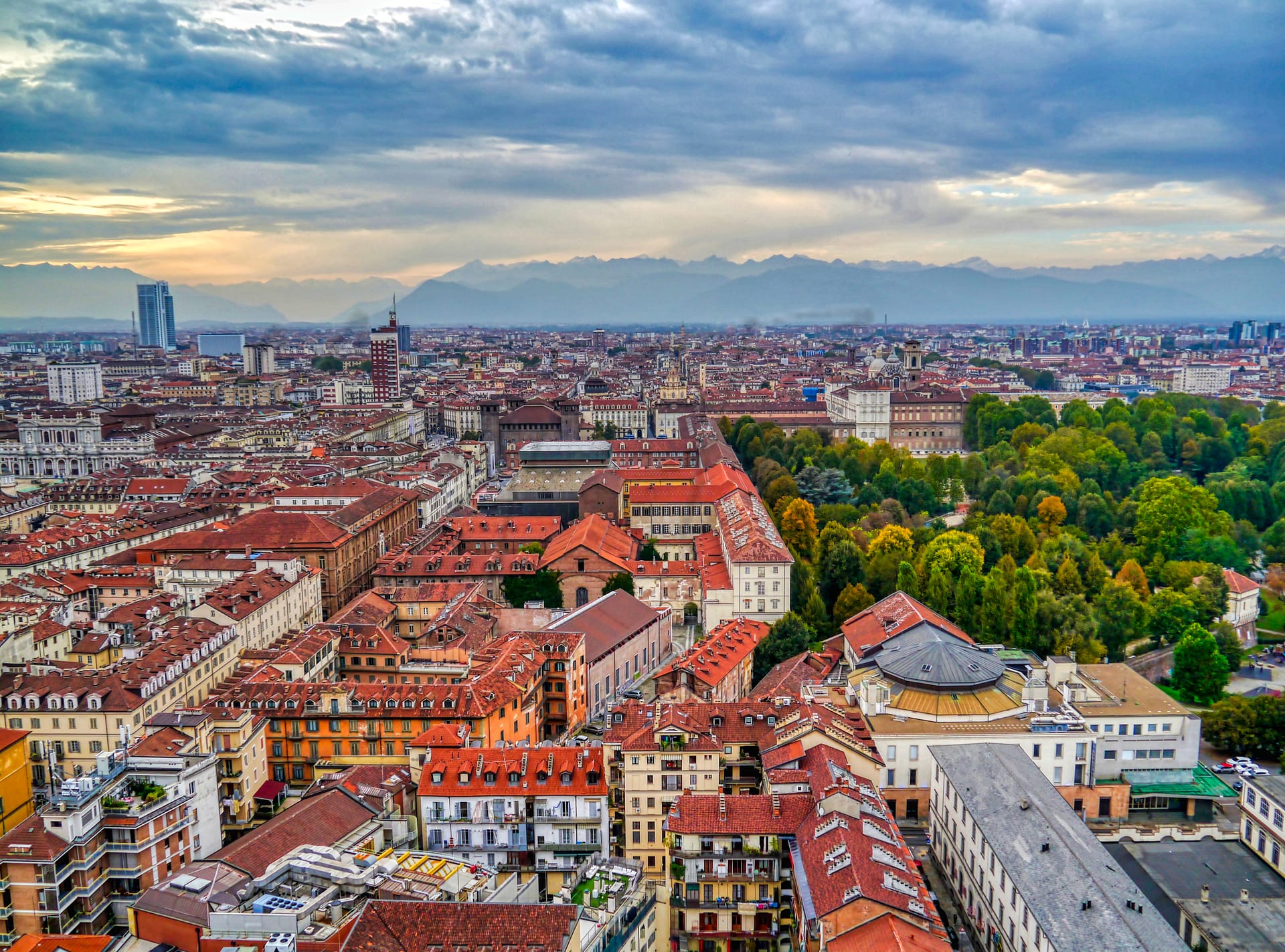

Elevation
[?]
Elevation of a city refers to the height above sea level at which the city is located, measured in meters.
239
Population
[?]
This is a town's official population, measured each year by the national statistics authority.
851200
Real Population (5km)
[?]
Our "Real Population" metric reflects more accurately a town's real size by including inhabitants in the immediate vicinity of the town's official borders.
1323900
Air Quality Rating
[?]
Based on PM10, PM2.5, NO2, SO2, and ozone levels. Higher scores indicate cleaner air.
82
Region
Piemonte
Walkability
Walker’s Paradise
Housing availability
[?]
Based on total number of properties (sale and rent) classifies housing availability into five categories: low, relativel ylow, medium, relatively high and high.
High
Avg Download Speed (Mbps) / Avg Upload Speed (Mbps)
403
/ 245
Climate Description
Varied climate with mild winters, warm summers, ample sun, and evenly distributed rainfall.
Torino
Piemonte
Capital of Piemonte, the city features historic architecture, a vibrant cultural scene, and a dynamic economy.
Quality of Life Score
[?]Factors in air quality, amenities, walkability, population, and environmental risks. Higher scores suggest better living conditions.
81
Quality of Infrastructure
[?]Measures internet speed, healthcare access, airports, rail, and walkability. Higher scores mean better connectivity and essential services.
80
Quality of Economy
[?]Based on income, property prices, job availability, and population density. Higher scores indicate stronger economic conditions.
82
Torino Demographics
Population
[?]
This is a town's official population, measured each year by the national statistics authority.
851200
Real Population (5km band)
[?]
Our "Real Population" metric reflects more accurately a town's real size by including inhabitants in the immediate vicinity of the town's official borders.
1323900
Births Per 100 Deaths
50.0
Population Data Source
ISTAT,2023
Estimated Unemployment Rate
Touristy Index
[?]
Calculation of tourist density index for the city, comparing its total tourist number to the overall average tourist number of the region
relative to its own population.The index indicates how a location’s tourist density compares to the average, with values above
100 representing higher-than-average density and values below 100 representing lower-than-average density.
Some Tourism
Income per capita (2023)
[?]
This is an estimation of average income per resident for this town, based on 2023 data from the Italian Ministry of Finance.
24400
Income rank in Italy (2023)
[?]
This is a ranking of the town's average income per resident, against the full list of townships in Italy.
695 out of 7901
Infrastructure and Connectivity
Create an account to explore more
This content is for Members only | Already a Member? Sign in
Closest Airport
Name
Torino Airport (Turin)
Connectivity Score
[?]
Measures travel time and service quality of nearby airport stations. Higher scores mean better transport access.
7
Driving Time
20min(s)
Turin Airport, also called Turin-Caselle Airport, is situated in Caselle Torinese, approximately 16 km north-west of Turin, Italy. In 2022, it catered to over 4 million passengers with significant connections to international destinations including Frankfurt, Barcelona, and London, and domestic routes like Rome and Naples. The airport hosts a mix of European carriers, providing travellers with connectivity suitable for both business and leisure, featuring mainline and budget airlines.
2nd Closest Airport
Name
Malpensa (Milan)
Connectivity Score
[?]
Measures travel time and service quality of nearby airport stations. Higher scores mean better transport access.
10
Driving Time
71min(s)
Milan Malpensa Airport (MXP) is located near Milan, Italy, and is the second largest and busiest airport in the country. Handling 28.5 million passengers, the airport connects to around 195 destinations worldwide, serving as a major hub for EasyJet. Key routes include flights to New York, London, Dubai, and Istanbul, making it a significant international gateway. Notable for its effective connectivity with Milan’s city centre via the Malpensa Express, the airport caters extensively to travellers heading to diverse European, American, and Asian destinations.
3rd Closest Airport
Name
Cristoforo Colombo (Genoa)
Connectivity Score
[?]
Measures travel time and service quality of nearby airport stations. Higher scores mean better transport access.
7
Driving Time
81min(s)
Genoa Cristoforo Colombo Airport, situated in Sestri Ponente, Liguria, 7.4 kilometers west of the city of Genoa, serves as the largest airport in the region of Liguria. It connects the city with major European destinations such as Munich, Rome, Amsterdam, London, and Barcelona. Built on an artificial peninsula, this airport is notable for servicing the city and the Port of Genoa, offering both domestic and international flights.
Closest Rail
Name
Stazione di Torino Porta Nuova
Connectivity Score
[?]
Measures travel time and service quality of nearby rail stations. Higher scores mean better transport access.
10
Driving Time
6min(s)
Train service at Stazione di Torino Porta Nuova includes several rail lines serviced by major operators such as Trenitalia and Italo. Key destinations connected by direct trains include Rome, Milan, Venice, and international routes to France. Frequency of departures varies, with high-speed trains operating approximately every 30 to 60 minutes for major cities, while regional trains may operate less frequently, around hourly or a few per day. The station offers a mix of high-speed and regional services, making it a significant hub for national and international travel.
2nd Closest Rail
Name
Stazione di Torino Porta Susa (2008)
Connectivity Score
[?]
Measures travel time and service quality of nearby rail stations. Higher scores mean better transport access.
10
Driving Time
6min(s)
Train service at Stazione di Torino Porta Susa (2008) provides access to several rail lines, primarily connecting to major destinations across Italy. High-speed lines are prominent, accommodating travellers to cities such as Milan, Florence, and Rome. Train operators include Trenitalia and Italo, offering a mix of services. Departures are frequent, with high-speed services running every 30 minutes or more, while regional services operate less frequently, typically on an hourly basis. Overall, Stazione di Torino Porta Susa features a combination of high-speed and regional train services, making it a vital transport hub in the region.
3rd Closest Rail
Name
Stazione di Torino Rebaudengo Fossata
Connectivity Score
[?]
Measures travel time and service quality of nearby rail stations. Higher scores mean better transport access.
5
Driving Time
12min(s)
Train service at Stazione di Torino Rebaudengo Fossata includes the following:
– **Rail lines that stop here:** SFM1, SFM2, SFM4, and SFM7.
– **Key destinations connected by direct trains:** Direct trains connect to Torino Porta Susa and various intermediate stations, including Chieri, Pinerolo, Chivasso, Cirié, Bra, and Fossano.
– **Train operators:** Primarily Trenitalia, under the Turin Metropolitan Railway Service.
– **Frequency of departures:** Trains typically depart every 30 minutes, with variations depending on the line and time of day.
– **Type of services:** The station serves mainly regional trains; it does not feature high-speed train services.
Infrastructure & Amenities
Create an account to explore more
This content is for Members only | Already a Member? Sign in
Healthcare
Create an account to explore more
This content is for Members only | Already a Member? Sign in
Housing & Property Market
Create an account to explore more
This content is for Members only | Already a Member? Sign in
Connectivity & Digital Access
Create an account to explore more
This content is for Members only | Already a Member? Sign in
Education
Create an account to explore more
This content is for Members only | Already a Member? Sign in
Climate & Weather
Create an account to explore more
This content is for Members only | Already a Member? Sign in
Precipitation
[?] Based on daily climate data for precipitation from OPEN-METEO this parameter indicates how a city's annual precipitation compares to others in terms of percentage, with values ranging from 0 (lowest) to 1 (highest). For example, a percentile rank of 0.75 means the city's total precipitation is higher than 75% of other cities.
Average (41st-50th percentile)
Sunshine
Somewhat High (61st-70th percentile)
Snowfall
High (71st-80th percentile)
Min Annual Temperature (°C)
[?] This parameter represents the monthly average of daily minimum temperatures for January, based on data from OPEN-METEO.
-1.6
Max Annual Temperature (°C)
[?] This parameter represents the monthly average of daily minimum temperatures for January, based on data from OPEN-METEO.
28
Climate Description
Torino's climate offers a refreshing variety throughout the year, suiting a range of preferences from sunseekers to snow enthusiasts. Winters are marked by brief, crisp periods where the landscape sometimes dusts over with light snow, transforming the city into a picturesque winter scene briefly before melting away. Summers provide ample warmth without reaching the scorching highs seen in more southern parts of Italy, making it ideal for outdoor activities and leisurely exploration. The region enjoys an abundance of sunny days, ensuring that residents and visitors can often bask in the sunlight. Rainfall is well-distributed throughout the year, supporting lush greenery and contributing to Torino’s charming ambiance.
Annual Temperature Chart (Min)
Error
There was a problem with your SQL connection - Please contact the administrator
There was a problem with your SQL connection - Please contact the administrator
Annual Temperature Chart (Max)
Error
There was a problem with your SQL connection - Please contact the administrator
There was a problem with your SQL connection - Please contact the administrator
Sunny Days By Month
Error
There was a problem with your SQL connection - Please contact the administrator
There was a problem with your SQL connection - Please contact the administrator
Environmental & Air Quality
Create an account to explore more
This content is for Members only | Already a Member? Sign in
Classifications
PM10
[?]
PM10 levels indicate Good air quality at 0–20 µg/m³, Fair at 20–40 µg/m³, Moderate at 40–50 µg/m³, Poor at 50–100 µg/m³, Very Poor at 100–150 µg/m³, and Extremely Poor at 150–1200 µg/m³.
Fair
PM2.5
[?]
PM2.5 is Good if PM2.5 levels are between 0–10 µg/m³, Fair between 10–20 µg/m³, Moderate between 20–25 µg/m³, Poor between 25–50 µg/m³, Very Poor between 50–75 µg/m³, and Extremely Poor between 75–800 µg/m³.
Moderate
NO2
[?]
NO₂ levels are considered Good at 0–40 µg/m³, Fair at 40–90 µg/m³, Moderate at 90–120 µg/m³, Poor at 120–230 µg/m³, Very Poor at 230–340 µg/m³, and Extremely Poor at 340–1000 µg/m³.
Good
SO2
[?]
SO₂ levels indicate Good air quality at 0–100 µg/m³, Fair at 100–200 µg/m³, Moderate at 200–350 µg/m³, Poor at 350–500 µg/m³, Very Poor at 500–750 µg/m³, and Extremely Poor at 750–1250 µg/m³.
Good
O₃
[?]
For O₃, the air is Good at 0–50 µg/m³, Fair at 50–100 µg/m³, Moderate at 100–130 µg/m³, Poor at 130–240 µg/m³, Very Poor at 240–380 µg/m³, and Extremely Poor at 380–800 µg/m³.
Fair
Air Quality Rating
[?]
Based on PM10, PM2.5, NO2, SO2, and ozone levels. Higher scores indicate cleaner air.
82
Air Quality Description
In Torino, Italy, the air quality presents a balanced profile that generally supports well-being and comfort. Particulate matters here are within manageable levels, with slightly higher concentrations of finer particles than coarser ones, yet both adhere to acceptable standards. The city’s nitrogen dioxide and sulphur dioxide levels reflect efficient management of industrial and vehicular emissions, likely due to rigorous regulations and proactive urban planning. Ozone levels are also fair, suggesting a moderate influence on the ambient air quality across the seasons. Overall, Torino’s air supports an active outdoor lifestyle, meeting the expectations of its resident expats and retirees from less pristine environments.
In Torino, Italy, the air quality presents a balanced profile that generally supports well-being and comfort. Particulate matters here are within manageable levels, with slightly higher concentrations of finer particles than coarser ones, yet both adhere to acceptable standards. The city’s nitrogen dioxide and sulphur dioxide levels reflect efficient management of industrial and vehicular emissions, likely due to rigorous regulations and proactive urban planning. Ozone levels are also fair, suggesting a moderate influence on the ambient air quality across the seasons. Overall, Torino’s air supports an active outdoor lifestyle, meeting the expectations of its resident expats and retirees from less pristine environments.
Town Descriptions
Create an account to explore more
This content is for Members only | Already a Member? Sign in
Getting There
Torino benefits from excellent transport infrastructure. The town is served by Torino Airport, approximately 20 minutes away, and Malpensa Airport in Milan, significantly further. It boasts two nearby train stations, each achieving a perfect connectivity score, facilitating efficient regional and national travel. Major road connections enhance accessibility.
Getting Around
Local Cuisine
Torino, located in the Piemonte region of Italy, boasts a rich culinary heritage exemplified by traditional dishes such as Agnolotti al Plin, Tajarin, Vitello Tonnato, and Brasato al Barolo. The city’s dining scene reflects a melding of local and international cuisines, with numerous trattorias and restaurants offering vegetarian and innovative options alongside authentic Piedmontese fare. Torino is also home to several Michelin-starred establishments, including Ristorante Del Cambio and Vintage 1997, showcasing a commitment to gastronomic excellence. The city’s vibrant market scene and artisan chocolate shops complement its diverse culinary landscape, providing a robust dining experience.
Shopping Overview
The shopping landscape includes diverse categories such as supermarkets, where local and gourmet food products can be sourced, alongside designer boutiques and vintage clothing shops. Major shopping malls feature a range of international brands and outlets. Markets offer fresh produce and artisan crafts, with notable venues providing unique shopping experiences. Outdoor markets and specialised sections cater to antiques and local delicacies, enhancing the city’s retail offerings.
Neighborhoods
Green Areas and Parks
Torino, located in Piemonte, offers a variety of outdoor attractions. Notable green spaces include Parco del Valentino, known for its extensive gardens and proximity to the River Po, providing opportunities for leisurely walks and rowing. Parco della Pellerina is the largest park in the city, hosting extensive trails for hiking and jogging. Parco Dora, blending urban and green elements, offers unique walking paths. Additionally, the nearby Collina di Torino offers scenic hill trails ideal for hiking enthusiasts. These parks and areas provide diverse outdoor activities, catering to various interests and enhancing quality of life.
✅ Pros
– High-quality healthcare facilities and services available locally.
– Efficient public transportation system connecting the city and beyond.
– Rich cultural and historical heritage to explore and enjoy.
– Opportunities for community integration and social engagement.
– Favorable climate with mild winters and warm summers.
– Good air quality contributes to a healthier lifestyle.
– Relatively low unemployment rate compared to national average.
– Vibrant food scene showcasing local cuisine and markets.
– Access to quality educational facilities for lifelong learning.
– Strong internet connectivity for remote work and leisure activities.
❌ Cons
– Healthcare quality might not meet some expats’ high expectations.
– Public transportation can be overcrowded during peak hours.
– Winters may feel colder than “mild” for some newcomers.
– Limited nightlife options for those seeking vibrant evening activities.
– Cultural activities can be less frequent outside major tourist seasons.
– Language barrier may hinder social integration for non-Italian speakers.
– Air quality dips occasionally, affecting sensitive individuals.
– Tourist crowds can be overwhelming at popular attractions.
– Job market may be competitive despite low unemployment rates.
– Local bureaucracy can be frustratingly slow and complex.
FAQs
Summary
Torino, the capital of Piemonte, seamlessly blends rich history with modern vibrancy, making it an appealing destination for expats and retirees. Nestled in the foothills of the Alps, this elegant city boasts splendid architecture, from its Baroque palaces to the iconic Mole Antonelliana. The thriving cultural scene includes world-renowned museums, galleries, and a calendar filled with festivals that celebrate everything from cinema to chocolate. Local industries, particularly automotive and technology, contribute to a dynamic economy.
However, prospective residents should be aware of some challenges. While the city’s healthcare rankings are respectable, the system’s accessibility can vary. Additionally, although Torino is walkable and well-connected, some neighborhoods may feel less vibrant than the historic center. With its proximity to the mountains and the Mediterranean coast, expats can enjoy both urban and outdoor lifestyles, striking a balance between cultural immersion and leisure activities.
✅ Pros
– High-quality healthcare facilities and services available locally.
– Efficient public transportation system connecting the city and beyond.
– Rich cultural and historical heritage to explore and enjoy.
– Opportunities for community integration and social engagement.
– Favorable climate with mild winters and warm summers.
– Good air quality contributes to a healthier lifestyle.
– Relatively low unemployment rate compared to national average.
– Vibrant food scene showcasing local cuisine and markets.
– Access to quality educational facilities for lifelong learning.
– Strong internet connectivity for remote work and leisure activities.
❌ Cons
– Healthcare quality might not meet some expats’ high expectations.
– Public transportation can be overcrowded during peak hours.
– Winters may feel colder than “mild” for some newcomers.
– Limited nightlife options for those seeking vibrant evening activities.
– Cultural activities can be less frequent outside major tourist seasons.
– Language barrier may hinder social integration for non-Italian speakers.
– Air quality dips occasionally, affecting sensitive individuals.
– Tourist crowds can be overwhelming at popular attractions.
– Job market may be competitive despite low unemployment rates.
– Local bureaucracy can be frustratingly slow and complex.
Related Posts
More questions about Torino ? Ask Magic AI.
Our innovative AI assistant is eager to help. Try it out here: