
 English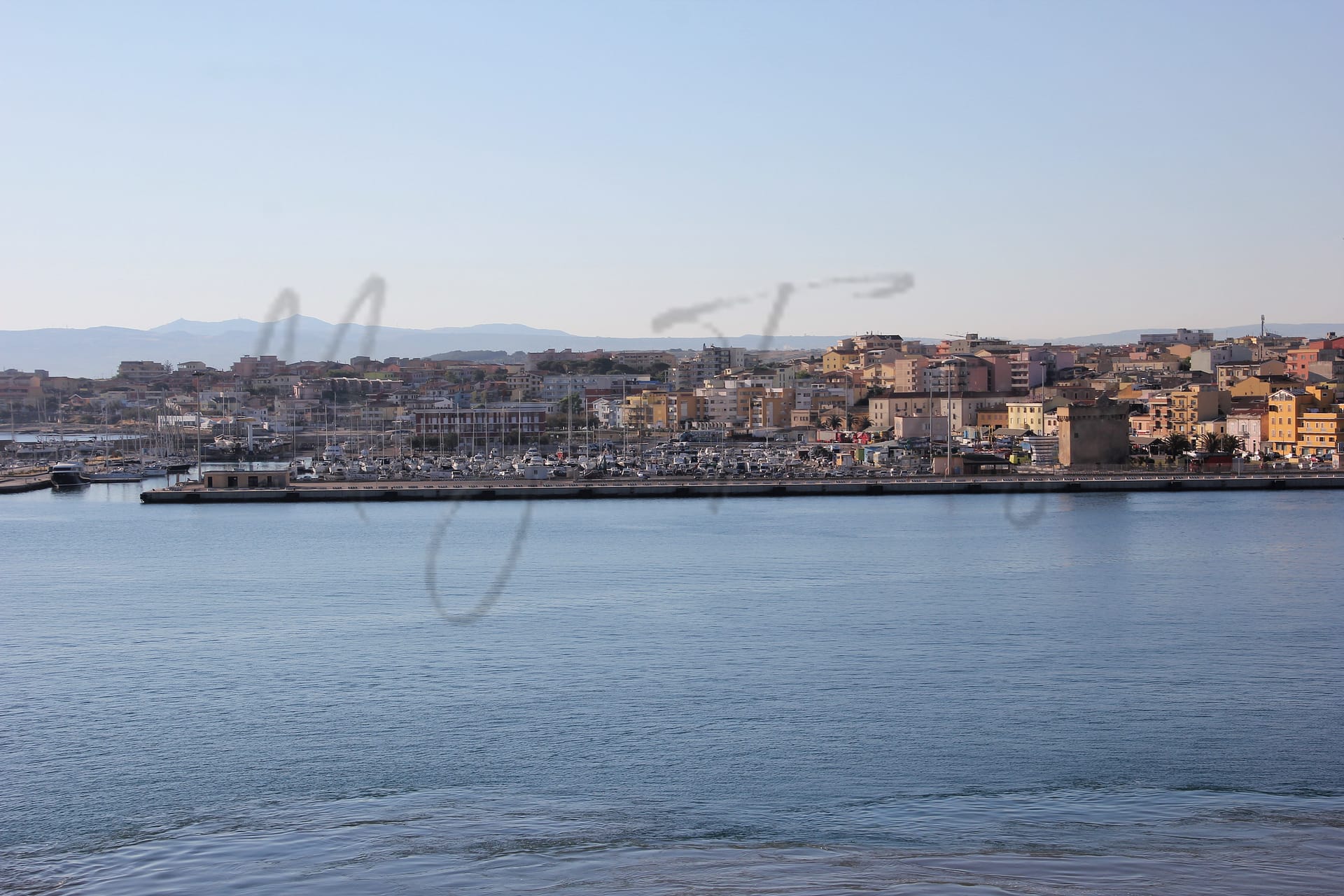

Elevation
[?]
Elevation of a city refers to the height above sea level at which the city is located, measured in meters.
11
Population
[?]
This is a town's official population, measured each year by the national statistics authority.
21000
Real Population (5km)
[?]
Our "Real Population" metric reflects more accurately a town's real size by including inhabitants in the immediate vicinity of the town's official borders.
23200
Air Quality Rating
[?]
Based on PM10, PM2.5, NO2, SO2, and ozone levels. Higher scores indicate cleaner air.
84
Region
Sardegna
Walkability
Walker’s Paradise
Housing availability
[?]
Based on total number of properties (sale and rent) classifies housing availability into five categories: low, relativel ylow, medium, relatively high and high.
Low
Avg Download Speed (Mbps) / Avg Upload Speed (Mbps)
89
/ 28
Climate Description
Pleasant Mediterranean climate, sunny summers, mild winters, rare snowfall, year-round comfort.
Porto Torres
Sardegna
A port town in northern Sardinia with historical sites, coastal living, and a service-oriented economy.
Quality of Life Score
[?]Factors in air quality, amenities, walkability, population, and environmental risks. Higher scores suggest better living conditions.
70
Quality of Infrastructure
[?]Measures internet speed, healthcare access, airports, rail, and walkability. Higher scores mean better connectivity and essential services.
61
Quality of Economy
[?]Based on income, property prices, job availability, and population density. Higher scores indicate stronger economic conditions.
61
Porto Torres Demographics
Population
[?]
This is a town's official population, measured each year by the national statistics authority.
21000
Real Population (5km band)
[?]
Our "Real Population" metric reflects more accurately a town's real size by including inhabitants in the immediate vicinity of the town's official borders.
23200
Births Per 100 Deaths
50.0
Population Data Source
ISTAT,2023
Estimated Unemployment Rate
Touristy Index
[?]
Calculation of tourist density index for the city, comparing its total tourist number to the overall average tourist number of the region
relative to its own population.The index indicates how a location’s tourist density compares to the average, with values above
100 representing higher-than-average density and values below 100 representing lower-than-average density.
Not Touristic
Income per capita (2023)
[?]
This is an estimation of average income per resident for this town, based on 2023 data from the Italian Ministry of Finance.
19100
Income rank in Italy (2023)
[?]
This is a ranking of the town's average income per resident, against the full list of townships in Italy.
4795 out of 7901
Infrastructure and Connectivity
Create an account to explore more
This content is for Members only | Already a Member? Sign in
Infrastructure & Amenities
Create an account to explore more
This content is for Members only | Already a Member? Sign in
Healthcare
Create an account to explore more
This content is for Members only | Already a Member? Sign in
Housing & Property Market
Create an account to explore more
This content is for Members only | Already a Member? Sign in
Connectivity & Digital Access
Create an account to explore more
This content is for Members only | Already a Member? Sign in
Education
Create an account to explore more
This content is for Members only | Already a Member? Sign in
Climate & Weather
Create an account to explore more
This content is for Members only | Already a Member? Sign in
Precipitation
[?] Based on daily climate data for precipitation from OPEN-METEO this parameter indicates how a city's annual precipitation compares to others in terms of percentage, with values ranging from 0 (lowest) to 1 (highest). For example, a percentile rank of 0.75 means the city's total precipitation is higher than 75% of other cities.
Very Low (Bottom 10%)
Sunshine
Exceptional (Top 10%)
Snowfall
Very Low (Bottom 10%)
Min Annual Temperature (°C)
[?] This parameter represents the monthly average of daily minimum temperatures for January, based on data from OPEN-METEO.
8.3
Max Annual Temperature (°C)
[?] This parameter represents the monthly average of daily minimum temperatures for January, based on data from OPEN-METEO.
27.9
Climate Description
Porto Torres, an attractive destination for expats and retirees, is characterized by a pleasant temperate Mediterranean climate. Summers offer ample sunshine, ideal for outdoor activities along its scenic coastline. Winters are mild, with snowfall being a rare occurrence, adding a fleeting picturesque quality to the landscape on the scarce occasion it appears. The variation in temperature creates a comfortable environment year-round, cooling slightly in the evenings to enhance pleasant strolls through its historic streets. This climate ensures Porto Torres is both a delightful permanent residence and a peaceful retreat for those escaping harsher climates.
Annual Temperature Chart (Min)
Error
There was a problem with your SQL connection - Please contact the administrator
There was a problem with your SQL connection - Please contact the administrator
Annual Temperature Chart (Max)
Error
There was a problem with your SQL connection - Please contact the administrator
There was a problem with your SQL connection - Please contact the administrator
Sunny Days By Month
Error
There was a problem with your SQL connection - Please contact the administrator
There was a problem with your SQL connection - Please contact the administrator
Environmental & Air Quality
Create an account to explore more
This content is for Members only | Already a Member? Sign in
Classifications
PM10
[?]
PM10 levels indicate Good air quality at 0–20 µg/m³, Fair at 20–40 µg/m³, Moderate at 40–50 µg/m³, Poor at 50–100 µg/m³, Very Poor at 100–150 µg/m³, and Extremely Poor at 150–1200 µg/m³.
Good
PM2.5
[?]
PM2.5 is Good if PM2.5 levels are between 0–10 µg/m³, Fair between 10–20 µg/m³, Moderate between 20–25 µg/m³, Poor between 25–50 µg/m³, Very Poor between 50–75 µg/m³, and Extremely Poor between 75–800 µg/m³.
Good
NO2
[?]
NO₂ levels are considered Good at 0–40 µg/m³, Fair at 40–90 µg/m³, Moderate at 90–120 µg/m³, Poor at 120–230 µg/m³, Very Poor at 230–340 µg/m³, and Extremely Poor at 340–1000 µg/m³.
Good
SO2
[?]
SO₂ levels indicate Good air quality at 0–100 µg/m³, Fair at 100–200 µg/m³, Moderate at 200–350 µg/m³, Poor at 350–500 µg/m³, Very Poor at 500–750 µg/m³, and Extremely Poor at 750–1250 µg/m³.
Good
O₃
[?]
For O₃, the air is Good at 0–50 µg/m³, Fair at 50–100 µg/m³, Moderate at 100–130 µg/m³, Poor at 130–240 µg/m³, Very Poor at 240–380 µg/m³, and Extremely Poor at 380–800 µg/m³.
Fair
Air Quality Rating
[?]
Based on PM10, PM2.5, NO2, SO2, and ozone levels. Higher scores indicate cleaner air.
84
Air Quality Description
In Porto Torres, the air quality generally reflects a clear commitment to environmental standards. Particulate matter levels are consistently moderate, ensuring that residents can enjoy the outdoors without undue concern about pollution. While most pollutants fall within the ‘Good’ threshold, it is worth noting that ozone levels occasionally reach ‘Fair’ status, slightly tempering the otherwise pristine atmospheric conditions. For those considering relocation, the town promises a breath of fresh air amid Italy’s varied landscapes, with only occasional reminders of modern environmental challenges. This balance makes Porto Torres particularly appealing for individuals seeking both a serene setting and a health-conscious locale.
In Porto Torres, the air quality generally reflects a clear commitment to environmental standards. Particulate matter levels are consistently moderate, ensuring that residents can enjoy the outdoors without undue concern about pollution. While most pollutants fall within the ‘Good’ threshold, it is worth noting that ozone levels occasionally reach ‘Fair’ status, slightly tempering the otherwise pristine atmospheric conditions. For those considering relocation, the town promises a breath of fresh air amid Italy’s varied landscapes, with only occasional reminders of modern environmental challenges. This balance makes Porto Torres particularly appealing for individuals seeking both a serene setting and a health-conscious locale.
Town Descriptions
Create an account to explore more
This content is for Members only | Already a Member? Sign in
Getting There
Porto Torres offers reasonable connectivity for an expat town. The nearest airport is Alghero Fertilia, 22 minutes away, while Olbia’s Costa Smeralda is also accessible. Local train stations provide a reliable transit option, and the town benefits from connections via the SS131 and SS134 roads, facilitating travel across Sardinia.
Getting Around
Local Cuisine
Porto Torres, located in Sardegna, boasts a vibrant culinary scene characterized by traditional Sardinian dishes and a growing variety of international dining options. Local specialties include frattau, a type of bread layered with tomato and pecorino cheese, and porceddu, a legendary suckling pig often prepared for special occasions. The town is home to notable restaurants, including the Michelin-starred Li Lioni, which offers an informal atmosphere alongside traditional dishes made with local ingredients. Beyond local fare, Porto Torres features a mix of international cuisines, with restaurants serving Argentinian fare and various vegetarian and vegan options, providing a diverse dining experience that caters to different palates.
Shopping Overview
The shopping landscape features various categories including supermarkets, retail outlets, and specialty shops. Major shopping centres offer a diverse selection of stores, often housing both local and branded merchandise. Regular markets provide fresh produce and regional goods, contributing to an authentic shopping experience. Smaller boutique shops line the streets, showcasing unique crafts and fashion. Additionally, various larger shopping venues and malls can be found, enhancing the retail options in the area.
Neighborhoods
Green Areas and Parks
Porto Torres, Sardegna, offers various outdoor activities ideal for expats and retirees. Notable hiking trails include Cala Reale to Cala d’Oliva and Anello Monte Garrau via Fornelli, both moderate in difficulty and providing coastal views. The city is home to several parks such as Parco Baden Powell and Parco Chico Mendes for leisurely walks. Beach-side paths like Spiaggia di Balai and Scoglio Lungo are popular for cycling and strolling. These areas offer a combination of hiking, cycling, and beach access, presenting diverse options for outdoor recreation and exploration.
✅ Pros
– Beautiful Mediterranean climate with mild winters and warm summers.
– Rich cultural and historical heritage throughout the town.
– Strong sense of community and integration opportunities.
– Close proximity to stunning beaches and natural landscapes.
– Affordable cost of living compared to larger Italian cities.
– Access to local markets and fresh produce year-round.
– Non-touristic environment fosters a peaceful lifestyle.
– Reasonable healthcare facilities available within the region.
– Adequate transportation connections to other parts of Sardegna.
– Satisfactory air quality contributing to a healthy living environment.
❌ Cons
– Healthcare facilities rated quite low; limited advanced services available.
– Unemployment rate higher than the national average; job scarcity persists.
– Infrastructure improvements needed; public services sometimes lack efficiency.
– Internet speeds may not meet expectations for remote work.
– Limited nightlife options; prepare for early evenings and quiet nights.
– Educational facilities may not cater to international standards.
– Local bureaucracy can be slow and frustrating for residents.
– Some seasonal business closures may impact local services.
– Limited cultural events and activities during off-peak seasons.
– Language barrier could hinder integration for non-Italian speakers.
FAQs
Summary
Porto Torres, located in the northern part of Sardinia, is a vibrant port town known for its strategic maritime connections and rich history. Renowned for its proximity to the stunning beaches and crystalline waters, residents can enjoy both the allure of coastal living and access to cultural landmarks. The town’s historical significance is evident through its archaeological sites, including the ancient Roman city of Turris Libissonis.
With a walkable urban layout and a high walk score, Porto Torres caters well to the lifestyle of expats and retirees seeking convenience and charm. While the healthcare system faces challenges in rankings, the community benefits from a solid local network and a relaxed pace of life. The presence of local industries, particularly fishing and shipping, contributes to an economy that is primarily service-oriented, enhancing its cultural tapestry. However, some may find limited international connections and amenities compared to larger Italian cities.
✅ Pros
– Beautiful Mediterranean climate with mild winters and warm summers.
– Rich cultural and historical heritage throughout the town.
– Strong sense of community and integration opportunities.
– Close proximity to stunning beaches and natural landscapes.
– Affordable cost of living compared to larger Italian cities.
– Access to local markets and fresh produce year-round.
– Non-touristic environment fosters a peaceful lifestyle.
– Reasonable healthcare facilities available within the region.
– Adequate transportation connections to other parts of Sardegna.
– Satisfactory air quality contributing to a healthy living environment.
❌ Cons
– Healthcare facilities rated quite low; limited advanced services available.
– Unemployment rate higher than the national average; job scarcity persists.
– Infrastructure improvements needed; public services sometimes lack efficiency.
– Internet speeds may not meet expectations for remote work.
– Limited nightlife options; prepare for early evenings and quiet nights.
– Educational facilities may not cater to international standards.
– Local bureaucracy can be slow and frustrating for residents.
– Some seasonal business closures may impact local services.
– Limited cultural events and activities during off-peak seasons.
– Language barrier could hinder integration for non-Italian speakers.
Related Posts
No posts found for the town.
More questions about Porto Torres ? Ask Magic AI.
Our innovative AI assistant is eager to help. Try it out for free here: