
 English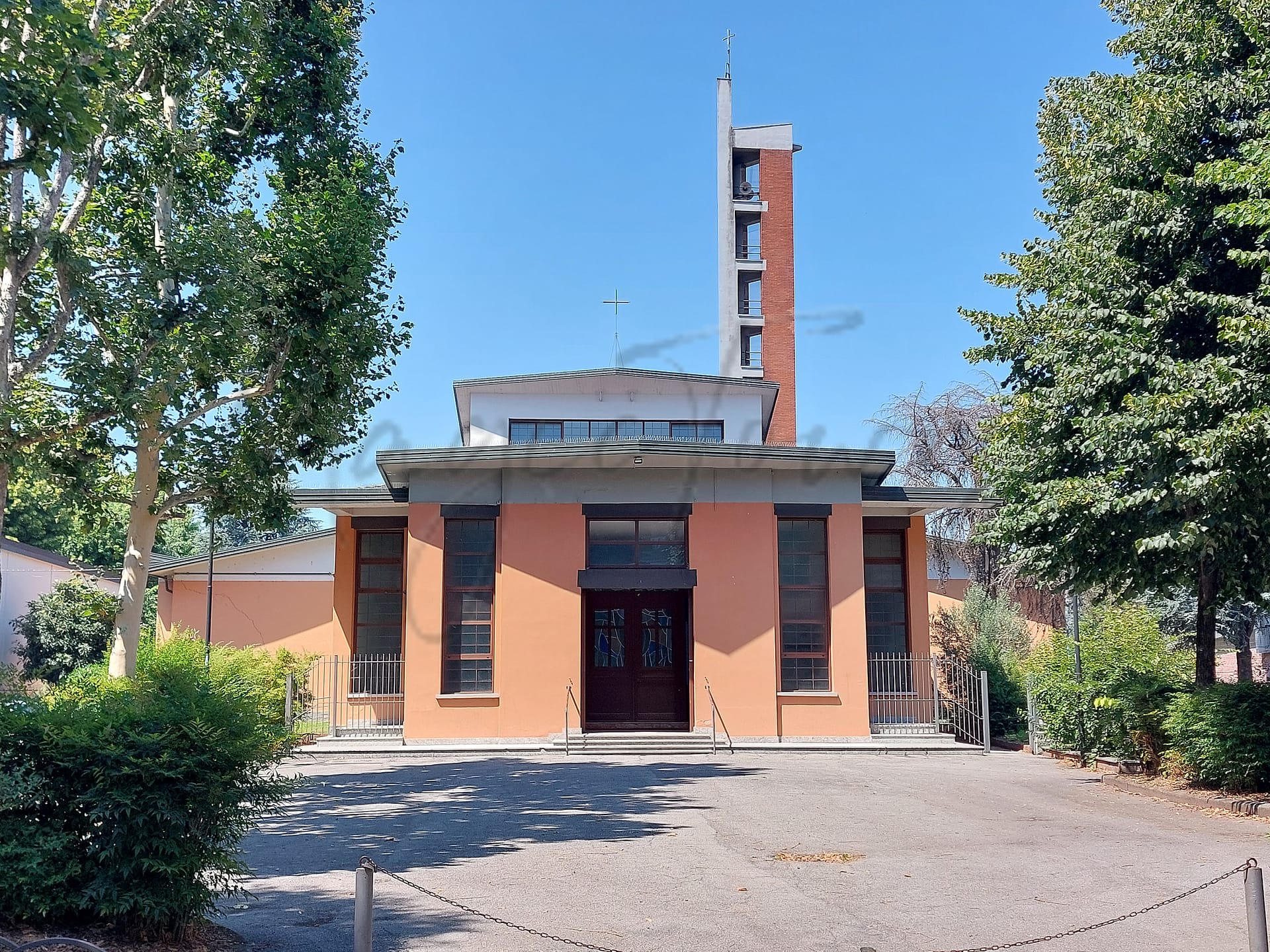

Elevation
[?]
Elevation of a city refers to the height above sea level at which the city is located, measured in meters.
100
Population
[?]
This is a town's official population, measured each year by the national statistics authority.
14300
Real Population (5km)
[?]
Our "Real Population" metric reflects more accurately a town's real size by including inhabitants in the immediate vicinity of the town's official borders.
166000
Air Quality Rating
[?]
Based on PM10, PM2.5, NO2, SO2, and ozone levels. Higher scores indicate cleaner air.
88
Region
Lombardia
Walkability
Very Walkable
Housing availability
[?]
Based on total number of properties (sale and rent) classifies housing availability into five categories: low, relativel ylow, medium, relatively high and high.
Low
Avg Download Speed (Mbps) / Avg Upload Speed (Mbps)
394
/ 227
Climate Description
Mild winters, warm summers, ample sunshine, and well-distributed rainfall ensure lush greenery.
Opera
Lombardia
Located 14 minutes from Milan, this town features local markets, parks, and strong community ties.
Quality of Life Score
[?]Factors in air quality, amenities, walkability, population, and environmental risks. Higher scores suggest better living conditions.
78
Quality of Infrastructure
[?]Measures internet speed, healthcare access, airports, rail, and walkability. Higher scores mean better connectivity and essential services.
76
Quality of Economy
[?]Based on income, property prices, job availability, and population density. Higher scores indicate stronger economic conditions.
80
Opera Demographics
Population
[?]
This is a town's official population, measured each year by the national statistics authority.
14300
Real Population (5km band)
[?]
Our "Real Population" metric reflects more accurately a town's real size by including inhabitants in the immediate vicinity of the town's official borders.
166000
Births Per 100 Deaths
70.0
Population Data Source
ISTAT,2023
Estimated Unemployment Rate
Touristy Index
[?]
Calculation of tourist density index for the city, comparing its total tourist number to the overall average tourist number of the region
relative to its own population.The index indicates how a location’s tourist density compares to the average, with values above
100 representing higher-than-average density and values below 100 representing lower-than-average density.
Not Touristic
Income per capita (2023)
[?]
This is an estimation of average income per resident for this town, based on 2023 data from the Italian Ministry of Finance.
27300
Income rank in Italy (2023)
[?]
This is a ranking of the town's average income per resident, against the full list of townships in Italy.
55 out of 7901
Infrastructure and Connectivity
Create an account to explore more
This content is for Members only | Already a Member? Sign in
Infrastructure & Amenities
Create an account to explore more
This content is for Members only | Already a Member? Sign in
Healthcare
Create an account to explore more
This content is for Members only | Already a Member? Sign in
Housing & Property Market
Create an account to explore more
This content is for Members only | Already a Member? Sign in
Connectivity & Digital Access
Create an account to explore more
This content is for Members only | Already a Member? Sign in
Education
Create an account to explore more
This content is for Members only | Already a Member? Sign in
Climate & Weather
Create an account to explore more
This content is for Members only | Already a Member? Sign in
Precipitation
[?] Based on daily climate data for precipitation from OPEN-METEO this parameter indicates how a city's annual precipitation compares to others in terms of percentage, with values ranging from 0 (lowest) to 1 (highest). For example, a percentile rank of 0.75 means the city's total precipitation is higher than 75% of other cities.
Average (41st-50th percentile)
Sunshine
Average (41st-50th percentile)
Snowfall
Average (41st-50th percentile)
Min Annual Temperature (°C)
[?] This parameter represents the monthly average of daily minimum temperatures for January, based on data from OPEN-METEO.
-0.6
Max Annual Temperature (°C)
[?] This parameter represents the monthly average of daily minimum temperatures for January, based on data from OPEN-METEO.
29.4
Climate Description
In Opera, Italy, residents enjoy a climate that offers a comfortable balance across all seasons. The town benefits from a generous amount of sunshine annually, which illuminates its quaint streets and charming architecture most days of the year. Winters are typically mild with a brief, soft dusting of snow that rarely disrupts daily life but adds a picturesque quality to the landscape. Summers in Opera are pleasantly warm without reaching extreme heat, making it an ideal location for those who prefer moderate temperatures. Additionally, rainfall is well-distributed throughout the year, ensuring lush, green surroundings and making Opera a delightful haven for expats and retirees seeking a serene lifestyle.
Annual Temperature Chart (Min)
Error
There was a problem with your SQL connection - Please contact the administrator
There was a problem with your SQL connection - Please contact the administrator
Annual Temperature Chart (Max)
Error
There was a problem with your SQL connection - Please contact the administrator
There was a problem with your SQL connection - Please contact the administrator
Sunny Days By Month
Error
There was a problem with your SQL connection - Please contact the administrator
There was a problem with your SQL connection - Please contact the administrator
Environmental & Air Quality
Create an account to explore more
This content is for Members only | Already a Member? Sign in
Classifications
PM10
[?]
PM10 levels indicate Good air quality at 0–20 µg/m³, Fair at 20–40 µg/m³, Moderate at 40–50 µg/m³, Poor at 50–100 µg/m³, Very Poor at 100–150 µg/m³, and Extremely Poor at 150–1200 µg/m³.
Fair
PM2.5
[?]
PM2.5 is Good if PM2.5 levels are between 0–10 µg/m³, Fair between 10–20 µg/m³, Moderate between 20–25 µg/m³, Poor between 25–50 µg/m³, Very Poor between 50–75 µg/m³, and Extremely Poor between 75–800 µg/m³.
Fair
NO2
[?]
NO₂ levels are considered Good at 0–40 µg/m³, Fair at 40–90 µg/m³, Moderate at 90–120 µg/m³, Poor at 120–230 µg/m³, Very Poor at 230–340 µg/m³, and Extremely Poor at 340–1000 µg/m³.
Good
SO2
[?]
SO₂ levels indicate Good air quality at 0–100 µg/m³, Fair at 100–200 µg/m³, Moderate at 200–350 µg/m³, Poor at 350–500 µg/m³, Very Poor at 500–750 µg/m³, and Extremely Poor at 750–1250 µg/m³.
Good
O₃
[?]
For O₃, the air is Good at 0–50 µg/m³, Fair at 50–100 µg/m³, Moderate at 100–130 µg/m³, Poor at 130–240 µg/m³, Very Poor at 240–380 µg/m³, and Extremely Poor at 380–800 µg/m³.
Fair
Air Quality Rating
[?]
Based on PM10, PM2.5, NO2, SO2, and ozone levels. Higher scores indicate cleaner air.
88
Air Quality Description
Opera, located in the picturesque landscapes of Italy, provides an air quality environment that ranges from fair to good. The town often experiences moderately clean air with particular strengths observed in the low levels of nitrogen dioxide and sulphur dioxide, which are firmly within good margins. While particulate matters such as PM10 and PM2.5 linger around fair conditions, sufficient for day-to-day outdoor activities, places like Opera make a decent choice for expatriates concerned with general urban living air standards. Ozone levels also reflect fair conditions, supporting a reasonable balance for those considering health and wellness in environmental quality.
Opera, located in the picturesque landscapes of Italy, provides an air quality environment that ranges from fair to good. The town often experiences moderately clean air with particular strengths observed in the low levels of nitrogen dioxide and sulphur dioxide, which are firmly within good margins. While particulate matters such as PM10 and PM2.5 linger around fair conditions, sufficient for day-to-day outdoor activities, places like Opera make a decent choice for expatriates concerned with general urban living air standards. Ozone levels also reflect fair conditions, supporting a reasonable balance for those considering health and wellness in environmental quality.
Town Descriptions
Create an account to explore more
This content is for Members only | Already a Member? Sign in
Getting There
Opera benefits from proximity to significant transport links. Linate Airport is a short distance away, while Malpensa Airport provides additional international access. The town is served by two train stations that facilitate regional connectivity, supported by well-structured road connections to nearby Milan and surrounding areas.
Getting Around
Local Cuisine
The culinary scene in Opera, a suburb of Milan in the Lombardy region, is characterized by a blend of traditional Lombard dishes and a variety of dining options. Traditional cuisine features hearty meals centered around ingredients such as polenta, rice, and fresh water fish, with renowned dishes like Risotto alla Milanese, pizzoccheri (buckwheat pasta), tortelli di zucca (pumpkin tortelli), and several notable risottos tailored to local flavors. The town caters to a diverse palate with Italian eateries that incorporate both local and international influences, including seafood and Neapolitan cuisine. Additionally, Opera is home to a Michelin-starred destination, elevating the dining experience with high culinary standards. Overall, Opera’s culinary landscape is a reflection of its rich regional heritage, marked by both authentic traditional fare and modern culinary interpretations.
Shopping Overview
The area features extensive shopping options including large department stores, boutiques, and shopping galleries. Major department stores offer a range of products from luxury fashion to children’s items. Boutique shops cater to niche markets, while local shopping galleries provide access to both global brands and local artisans. Supermarkets are present, ensuring essential needs are easily met. This mix of large-scale retailers and smaller shops creates a diverse shopping experience tailored for both everyday needs and leisure pursuits.
Neighborhoods
Green Areas and Parks
Opera in Lombardia offers various outdoor activities, notably hiking. Prominent trails include the SP80 and San Grato routes, both classified as difficult and stretching over 15 miles each. Key parks include Parco Lombardo della Valle del Ticino and Parco Agricolo Sud Milano. Both are known for their extensive networks of trails suitable for various skill levels, providing opportunities for nature walks and cycling. Additionally, easy trails like Via Contrada della Fontana cater to those seeking leisurely outdoor exercise. These areas provide residents with extensive green spaces for both relaxation and active pursuits.
✅ Pros
– Access to high-quality healthcare facilities nearby.
– Excellent air quality for a healthier lifestyle.
– Low unemployment rate fosters economic stability.
– Strong transport links to Milan and surrounding areas.
– Comprehensive infrastructure supports daily living needs.
– Peaceful environment away from tourist crowds.
– Rich cultural and historical backdrop to explore.
– Opportunities for community integration and social activities.
– Favorable climate with mild winters and warm summers.
– Adequate internet connectivity for remote work and communication.
❌ Cons
– Limited healthcare facilities within Opera itself may require travel.
– Lack of tourist attractions might lead to boredom for some.
– Cultural activities may feel sparse compared to larger cities.
– Mild winters can still be chilly for those unaccustomed.
– Public transportation options may be less frequent during off-peak.
– The peaceful environment might feel too quiet for some expats.
– Integration opportunities could be limited for non-Italian speakers.
– Average internet speed might not satisfy heavy data users.
– Limited nightlife options may not appeal to younger retirees.
– Small-town living may lack the vibrancy of urban areas.
FAQs
Summary
Opera, a quaint town in Lombardia, is well-positioned just 14 minutes from the air travel hub of Milan, offering residents and visitors a blend of charming local culture and modern amenities. The town boasts a commendable Walk Score, making it an excellent location for those who prefer a pedestrian lifestyle. Key attractions include local markets and serene parks, complemented by a strong sense of community and tradition, particularly in artisanal crafts.
While Opera’s smaller size means fewer recreational options compared to larger cities, it compensates with its proximity to Milan, allowing easy access to premier cultural venues like Teatro alla Scala. Additionally, the excellent air quality and reliable internet speeds enhance daily living standards. For those considering a quieter life in Italy, Opera offers a unique balance of small-town charm with the benefits of urban life just a stone’s throw away, albeit with the potential for limited amenities locally.
✅ Pros
– Access to high-quality healthcare facilities nearby.
– Excellent air quality for a healthier lifestyle.
– Low unemployment rate fosters economic stability.
– Strong transport links to Milan and surrounding areas.
– Comprehensive infrastructure supports daily living needs.
– Peaceful environment away from tourist crowds.
– Rich cultural and historical backdrop to explore.
– Opportunities for community integration and social activities.
– Favorable climate with mild winters and warm summers.
– Adequate internet connectivity for remote work and communication.
❌ Cons
– Limited healthcare facilities within Opera itself may require travel.
– Lack of tourist attractions might lead to boredom for some.
– Cultural activities may feel sparse compared to larger cities.
– Mild winters can still be chilly for those unaccustomed.
– Public transportation options may be less frequent during off-peak.
– The peaceful environment might feel too quiet for some expats.
– Integration opportunities could be limited for non-Italian speakers.
– Average internet speed might not satisfy heavy data users.
– Limited nightlife options may not appeal to younger retirees.
– Small-town living may lack the vibrancy of urban areas.
Related Posts
No posts found for the town.
More questions about Opera ? Ask Magic AI.
Our innovative AI assistant is eager to help. Try it out here: