
 English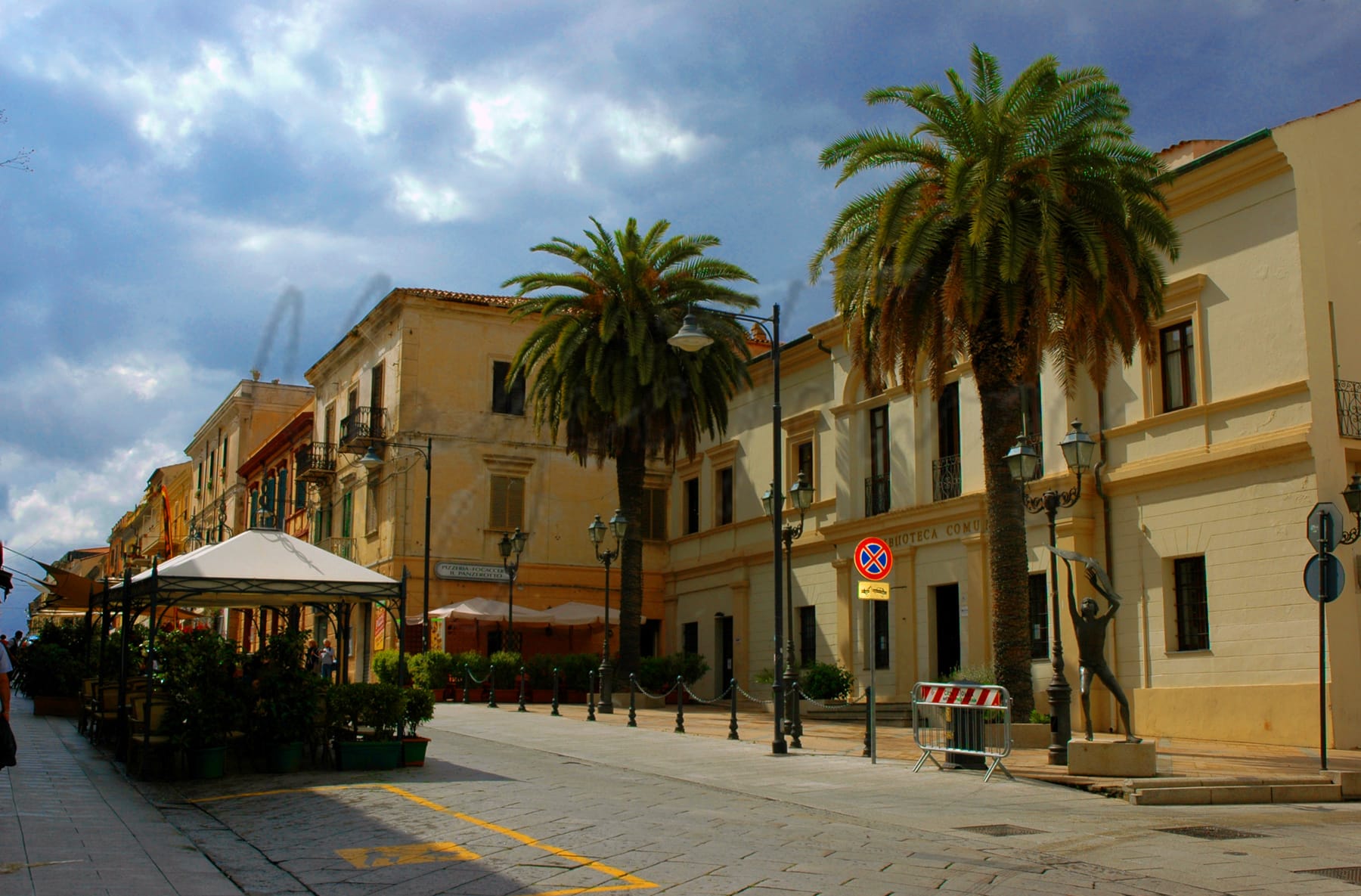

Elevation
[?]
Elevation of a city refers to the height above sea level at which the city is located, measured in meters.
7
Population
[?]
This is a town's official population, measured each year by the national statistics authority.
61500
Real Population (5km)
[?]
Our "Real Population" metric reflects more accurately a town's real size by including inhabitants in the immediate vicinity of the town's official borders.
71500
Air Quality Rating
[?]
Based on PM10, PM2.5, NO2, SO2, and ozone levels. Higher scores indicate cleaner air.
84
Region
Sardegna
Walkability
Walker’s Paradise
Housing availability
[?]
Based on total number of properties (sale and rent) classifies housing availability into five categories: low, relativel ylow, medium, relatively high and high.
High
Avg Download Speed (Mbps) / Avg Upload Speed (Mbps)
231
/ 138
Climate Description
Sunny Mediterranean climate with warm days, cooler nights, and infrequent rainfall.
Olbia
Sardegna
Northeastern Sardegna hub known for walkability, cultural attractions, marina, and quality healthcare services.
Quality of Life Score
[?]Factors in air quality, amenities, walkability, population, and environmental risks. Higher scores suggest better living conditions.
56
Quality of Infrastructure
[?]Measures internet speed, healthcare access, airports, rail, and walkability. Higher scores mean better connectivity and essential services.
68
Quality of Economy
[?]Based on income, property prices, job availability, and population density. Higher scores indicate stronger economic conditions.
73
Olbia Demographics
Population
[?]
This is a town's official population, measured each year by the national statistics authority.
61500
Real Population (5km band)
[?]
Our "Real Population" metric reflects more accurately a town's real size by including inhabitants in the immediate vicinity of the town's official borders.
71500
Births Per 100 Deaths
70.0
Population Data Source
ISTAT,2023
Estimated Unemployment Rate
Touristy Index
[?]
Calculation of tourist density index for the city, comparing its total tourist number to the overall average tourist number of the region
relative to its own population.The index indicates how a location’s tourist density compares to the average, with values above
100 representing higher-than-average density and values below 100 representing lower-than-average density.
Some Tourism
Income per capita (2023)
[?]
This is an estimation of average income per resident for this town, based on 2023 data from the Italian Ministry of Finance.
20000
Income rank in Italy (2023)
[?]
This is a ranking of the town's average income per resident, against the full list of townships in Italy.
4252 out of 7901
Infrastructure and Connectivity
Create an account to explore more
This content is for Members only | Already a Member? Sign in
Infrastructure & Amenities
Create an account to explore more
This content is for Members only | Already a Member? Sign in
Healthcare
Create an account to explore more
This content is for Members only | Already a Member? Sign in
Housing & Property Market
Create an account to explore more
This content is for Members only | Already a Member? Sign in
Connectivity & Digital Access
Create an account to explore more
This content is for Members only | Already a Member? Sign in
Education
Create an account to explore more
This content is for Members only | Already a Member? Sign in
Climate & Weather
Create an account to explore more
This content is for Members only | Already a Member? Sign in
Precipitation
[?] Based on daily climate data for precipitation from OPEN-METEO this parameter indicates how a city's annual precipitation compares to others in terms of percentage, with values ranging from 0 (lowest) to 1 (highest). For example, a percentile rank of 0.75 means the city's total precipitation is higher than 75% of other cities.
Very Low (Bottom 10%)
Sunshine
Exceptional (Top 10%)
Snowfall
Very Low (Bottom 10%)
Min Annual Temperature (°C)
[?] This parameter represents the monthly average of daily minimum temperatures for January, based on data from OPEN-METEO.
7.3
Max Annual Temperature (°C)
[?] This parameter represents the monthly average of daily minimum temperatures for January, based on data from OPEN-METEO.
29.8
Climate Description
Olbia, nestled on the sun-drenched island of Sardinia, offers an inviting Mediterranean climate ideal for retirees and expats seeking solace under its clear skies. The region boasts of plentiful sunshine throughout the year, casting a warm glow on vine-clad terraces and sprawling olive groves. Temperatures in Olbia remain temperate, with cooler evenings complementing warm days, thereby ensuring a comfortable living environment year-round. Rainfall is modest and infrequent, largely confined to specific seasons, while snowfall is a rare spectacle, fleeting and cherished. This balanced climate makes Olbia an attractive destination for those enchanted by tranquil weather and the magic of quaint towns.
Annual Temperature Chart (Min)
Error
There was a problem with your SQL connection - Please contact the administrator
There was a problem with your SQL connection - Please contact the administrator
Annual Temperature Chart (Max)
Error
There was a problem with your SQL connection - Please contact the administrator
There was a problem with your SQL connection - Please contact the administrator
Sunny Days By Month
Error
There was a problem with your SQL connection - Please contact the administrator
There was a problem with your SQL connection - Please contact the administrator
Environmental & Air Quality
Create an account to explore more
This content is for Members only | Already a Member? Sign in
Classifications
PM10
[?]
PM10 levels indicate Good air quality at 0–20 µg/m³, Fair at 20–40 µg/m³, Moderate at 40–50 µg/m³, Poor at 50–100 µg/m³, Very Poor at 100–150 µg/m³, and Extremely Poor at 150–1200 µg/m³.
Good
PM2.5
[?]
PM2.5 is Good if PM2.5 levels are between 0–10 µg/m³, Fair between 10–20 µg/m³, Moderate between 20–25 µg/m³, Poor between 25–50 µg/m³, Very Poor between 50–75 µg/m³, and Extremely Poor between 75–800 µg/m³.
Good
NO2
[?]
NO₂ levels are considered Good at 0–40 µg/m³, Fair at 40–90 µg/m³, Moderate at 90–120 µg/m³, Poor at 120–230 µg/m³, Very Poor at 230–340 µg/m³, and Extremely Poor at 340–1000 µg/m³.
Good
SO2
[?]
SO₂ levels indicate Good air quality at 0–100 µg/m³, Fair at 100–200 µg/m³, Moderate at 200–350 µg/m³, Poor at 350–500 µg/m³, Very Poor at 500–750 µg/m³, and Extremely Poor at 750–1250 µg/m³.
Good
O₃
[?]
For O₃, the air is Good at 0–50 µg/m³, Fair at 50–100 µg/m³, Moderate at 100–130 µg/m³, Poor at 130–240 µg/m³, Very Poor at 240–380 µg/m³, and Extremely Poor at 380–800 µg/m³.
Fair
Air Quality Rating
[?]
Based on PM10, PM2.5, NO2, SO2, and ozone levels. Higher scores indicate cleaner air.
84
Air Quality Description
In Olbia, Italy, the air quality generally ranks as favorable for residents and visitors alike. The smaller pollutants like PM2.5 and PM10, which can deeply penetrate the lungs and enter the bloodstream, maintain low concentrations, contributing to a healty air standard. Similarly, nitrogen dioxide and sulphur dioxide, typically associated with vehicular emissions and industrial activities, are present in minimal amounts, indicating efficient local emissions control. Ozone levels, although slightly elevated, remain within a range that supports outdoor activities without significant health risks. This makes Olbia an appealing option for expatriates and retirees seeking a locale with a clean, breathable atmosphere.
In Olbia, Italy, the air quality generally ranks as favorable for residents and visitors alike. The smaller pollutants like PM2.5 and PM10, which can deeply penetrate the lungs and enter the bloodstream, maintain low concentrations, contributing to a healty air standard. Similarly, nitrogen dioxide and sulphur dioxide, typically associated with vehicular emissions and industrial activities, are present in minimal amounts, indicating efficient local emissions control. Ozone levels, although slightly elevated, remain within a range that supports outdoor activities without significant health risks. This makes Olbia an appealing option for expatriates and retirees seeking a locale with a clean, breathable atmosphere.
Town Descriptions
Create an account to explore more
This content is for Members only | Already a Member? Sign in
Getting There
Olbia is accessible via the Costa Smeralda Airport, which offers regional and limited international flights. The town connects to major roads such as the SS125 and SS127, facilitating travel across Sardinia. Train services are available from nearby stations, albeit with modest connectivity ratings.
Getting Around
Local Cuisine
Olbia boasts a vibrant culinary scene that prominently features traditional Sardinian cuisine, coupled with a variety of international dining options. Key traditional dishes include Culurgiones, a type of stuffed pasta; Fregola, a unique form of pasta similar to couscous; and Bottarga, which is cured fish roe, highly appreciated in local gastronomy. The town is also well-known for its seafood due to its coastal location, with offerings of fresh catches, including tuna, and dishes like Malloreddus alla Campidanese, a classic Sardinian gnocchi. The dining landscape comprises family-run trattorias serving local fare alongside modern establishments that put contemporary twists on traditional dishes. Notably, Olbia boasts Michelin-starred dining experiences, such as Il Fuoco Sacro and Gusto by Sadler, offering exquisite culinary craftsmanship that highlights the region’s flavors. The restaurant scene further includes a mix of international cuisines, enhancing its gastronomic diversity.
Shopping Overview
The shopping landscape includes several malls housing both Italian and international fashion brands. Artisan shops offer unique handcrafted goods, while local markets present fresh produce and regional specialities. Shopping centres often provide a mix of fashion boutiques, home goods, and electronics. In addition, there are opportunities for purchasing handmade textiles and artisanal ceramics, enhancing the diverse retail experience.
Neighborhoods
Green Areas and Parks
Olbia, located in the northern part of Sardegna, offers a variety of outdoor activities appealing to nature enthusiasts and retirees alike. Key areas include Parco Fausto Noce, known for its easy walking trail. For more challenging hikes, Cape Ceraso provides a moderate 1.3-mile route, while Punta Ceraso’s 7.6-mile trail caters to seasoned hikers. Additionally, the Volpe Beach via Portisco trail offers a 12.7-mile experience, showcasing Sardegna’s beautiful coastal landscapes. These activities enhance the area’s allure as a destination for retirees seeking an active outdoor lifestyle.
✅ Pros
– Beautiful Mediterranean climate with warm summers and mild winters.
– Rich cultural and historical heritage to explore and appreciate.
– Good air quality, promoting a healthier outdoor lifestyle.
– Healthcare services available, though quality may vary locally.
– Opportunities for social integration within the local community.
– Easy access to stunning beaches and natural landscapes.
– Adequate transportation options for local and regional travel.
– Moderate unemployment rate, offering some job opportunities.
– Emerging tourist destination with vibrant local economy.
– Sufficient internet connectivity for remote work and communication.
❌ Cons
– Healthcare quality often lacks consistency and reliability.
– Limited job opportunities in specialized fields and sectors.
– Public transportation may be infrequent or unreliable at times.
– Tourist influx can overwhelm local resources and amenities.
– Limited educational facilities for children and higher education.
– Infrastructure improvements needed for long-term sustainability.
– Higher cost of living near popular tourist attractions.
– Internet connectivity can be inconsistent in remote areas.
– Limited cultural events outside peak tourist seasons.
– Rural isolation may impact access to urban amenities.
FAQs
Summary
Olbia, located on the northeastern coast of Sardegna, serves as a vital hub for expats and retirees seeking both tranquility and connectivity. With a vibrant population, the town boasts remarkable walkability, aiding residents in fully enjoying its charming streets lined with shops and cafes. Key attractions include the historical San Simplicio Basilica and the bustling marina, where local traditions blend seamlessly with modern amenities.
Though situated just a short drive from a major airport and pristine beaches known for their excellent water quality, some may find the pace of life here slow compared to urban centers. Healthcare services meet high standards, yet the limited options may pose challenges for individuals with specific medical needs. Nonetheless, Olbia’s blend of culture, natural beauty, and community spirit offers an appealing lifestyle for those looking to embrace the Italian way of living.
✅ Pros
– Beautiful Mediterranean climate with warm summers and mild winters.
– Rich cultural and historical heritage to explore and appreciate.
– Good air quality, promoting a healthier outdoor lifestyle.
– Healthcare services available, though quality may vary locally.
– Opportunities for social integration within the local community.
– Easy access to stunning beaches and natural landscapes.
– Adequate transportation options for local and regional travel.
– Moderate unemployment rate, offering some job opportunities.
– Emerging tourist destination with vibrant local economy.
– Sufficient internet connectivity for remote work and communication.
❌ Cons
– Healthcare quality often lacks consistency and reliability.
– Limited job opportunities in specialized fields and sectors.
– Public transportation may be infrequent or unreliable at times.
– Tourist influx can overwhelm local resources and amenities.
– Limited educational facilities for children and higher education.
– Infrastructure improvements needed for long-term sustainability.
– Higher cost of living near popular tourist attractions.
– Internet connectivity can be inconsistent in remote areas.
– Limited cultural events outside peak tourist seasons.
– Rural isolation may impact access to urban amenities.
Related Posts
More questions about Olbia ? Ask Magic AI.
Our innovative AI assistant is eager to help. Try it out here: