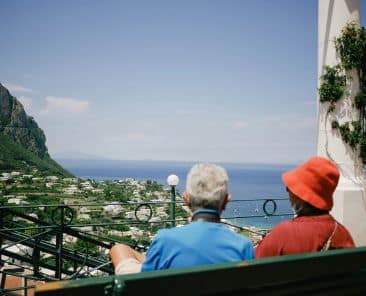
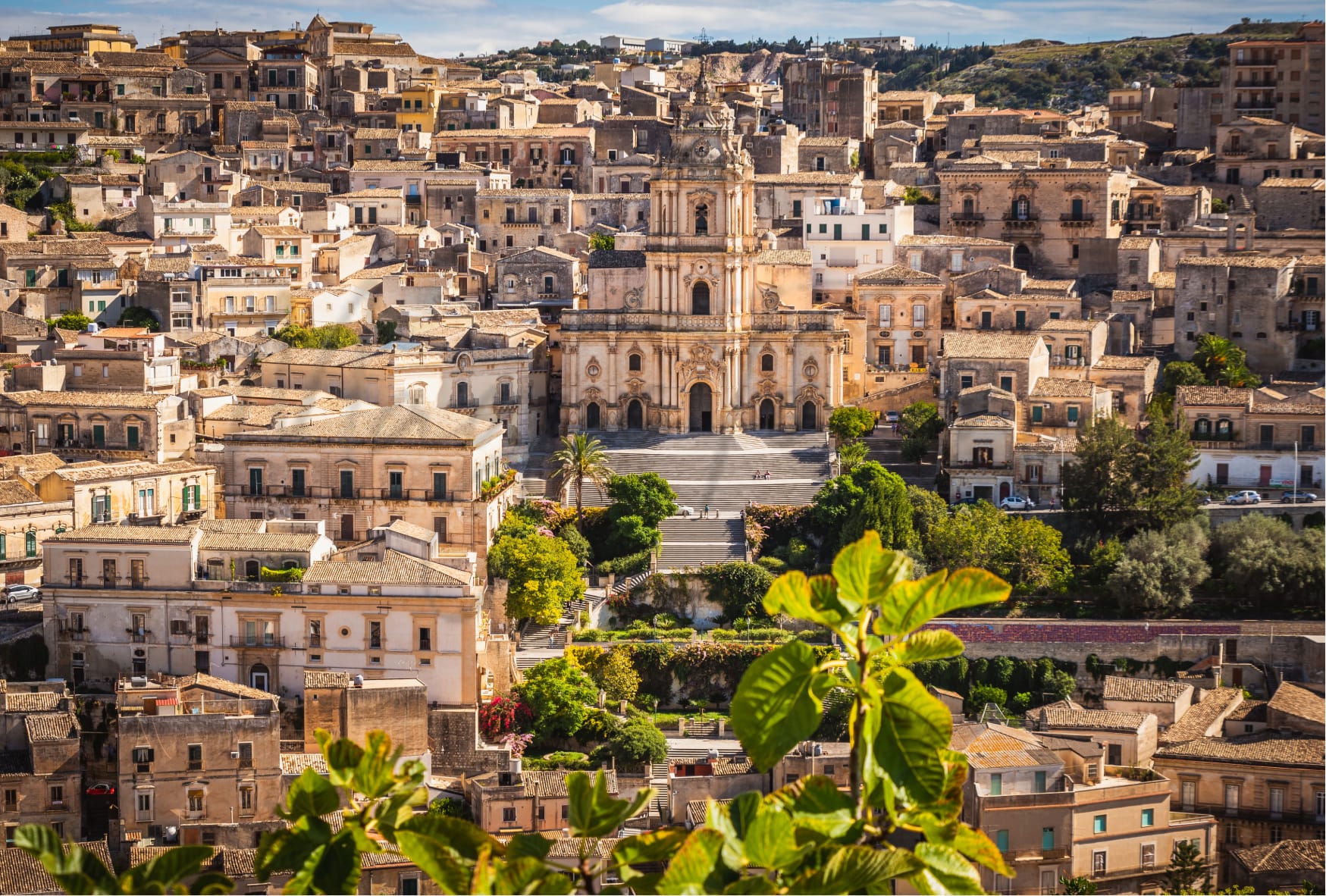
Sicily is a land that steals the hearts of many. The warm people, the incredible food, the sea… and among all the towns in this island that expats genuinely fall for, Modica stands out. A Baroque town of around 53,600 people in the province of Ragusa, known for its chocolate, stunning buildings, and quality of life.
But what it’s actually like living in Modica year-round? In this article from our long series "Ce que les gens disent de la vie en..." we’ll give you an overview of what it’s actually like living there year-round, using our data and the opinions of actual residents.
Life in Modica: What People Say
Leaving aside the beauty of the town, what residents love about living in Modica is a mix of factors: the localisation (just 20 minutes from the beach), the mild le climat, le accessibilité financière, and decent infrastructure – services de santé perform pretty well here.
The town is suitable as well for télétravailleurs: internet is excellent – averaging 173 Mbps download speeds, with fiber optic available in many areas. And for retraités especially, the slower pace combined with high quality of life makes it ideal. Many people moved here after long, stressful careers and found exactly what they were looking for:
“I moved here after a long career because I was stressed and needed to slow down. I was looking for somewhere warm, close to the sea. More than 15 years have passed now, and I feel my quality of life here is very high.”
But what makes Modica special isn’t just the buildings or the weather – it’s the people. There’s a une communauté d'expatriés en pleine expansion in the area, which helps if you’re moving alone and want a support network. But more than anything, expats mention the warmth and kindness of the locals as the real reason they’ve stayed:
“Life moves a little more slowly, which for me is an extraordinary advantage. Simply walking through the narrow streets gives me peace. And the people deserve a chapter of their own. Feeling like a stranger in Modica is simply impossible.”

Transport and Connectivity in Modica
Modica is pretty well connected. The train station offers decent regional connections: you can reach Ragusa en 20 minutes, Noto in about an hour, and Siracusa in about an hour and 40 minutes.
You also have three airports nearby: Catane Fontanarossa (about 1 hour 15 minutes by car) with lots of connections across Europe; Reggio Calabria (2 and a half hours away); and Palerme (just under 3 hours), the second largest airport on the island.
However, here’s the reality: if you want to live in Modica and explore the surrounding areas, you besoin d'une voiture. Public transport exists but relying on it alone just isn’t practical:
“If you want to live here, or in Sicily generally, you need a car to leave town. There are some connections during the day, but depending only on these is practically impossible.”
The location is great if you want to be close to the sea without being completely isolated. You’re near Ragusa (a bigger city), and lots of beautiful art towns like Scicli. Plus you’re surrounded by countryside with caves (like Cava Ispica) and olive groves everywhere.
Where to Live in Modica: Housing & Cost of Living
The town is divided into two parts about 10-20 minutes apart: Modica Alta (the historic, hilly part full of Baroque palaces) and Modica Bassa (the flatter, more residential and modern section). Generally speaking, property prices in Modica are pretty affordable, especially compared to Noto (around €1,760/m²) or Ortigia (€2,430/m²).
Tourisme has started affecting the rental market and pushing up prices in certain areas, though it’s nowhere near the crisis level of places like Sorrente. The average is around €833/m² for buying and €6.67/m² for rent. Here’s a breakdown by zone:
| Zone | Prix de vente (€/m²) | Moyenne 100 m² Maison (€) | Prix du loyer (€/m²) | Moyenne 100 m² Loyer (€/mois) |
|---|---|---|---|---|
| Modica Bassa | €838 | ~€83,800 | €7.72 | ~€772 |
| Modica Alta | €718 | ~€71,800 | €6.77 | ~€677 |
| Modica Sorda | €1,279 | ~€127,900 | €5.55 | ~€555 |
| Piano Pozzi | €529 | ~€52,900 | €6.73 | ~€673 |
| Calanchi | €557 | ~€55,700 | €6.72 | ~€672 |
| Fiumara | €872 | ~€87,200 | €6.71 | ~€671 |
Données élaborées à partir de Immobiliare.it
Where you choose to live depends on your needs, but keep in mind that stationnement can be a challenge, especially near the historic center around Corso Umberto:
“One of the cons of living here is definitely parking. I live near Corso Umberto and here, if you’re lucky to find a spot nearby, you can only park for a fee. So evaluate carefully where you live, because this makes simple things like bringing home groceries or water crates quite inconvenient.“
Challenges of Living in Modica
First, the location. As mentioned, the town sits in a beautiful area just minutes from the sea and historic towns. But if you travel frequently outside Europe, it’s not the most convenient. The nearest airport is about 1 hour 15 minutes away, and flights outside Europe usually mean longer journeys with layovers.
Second, the hills and steep streets are real. Sure, the constant up-and-down keeps you active and probably improves your health, but if you have mobility issues, this town might not work for you.
Troisièmement, le marché du travail is limited. Unless you work remotely or are retired, local employment outside tourism and agriculture is scarce. However, if you’re open to nearby Ragusa (about 20 minutes away), there are more options:
“If you’re not 100% convinced of Modica, I recommend considering Ragusa, especially if you work remotely. We have fiber optic internet, the sea is 15 minutes by bus, rent is under €400-500 for most places. The city is very safe and beautiful, the restaurants are quite good, two nearby airports (Catania and Comiso). You have two shopping centers, everything you need for normal life.”
Quatrièmement, stationnement is a problem in central areas, and some residents feel the tourist economy is starting to price out locals:
“Little security, non-existent parking, tourist-oriented businesses where quality drops and prices rise are making locals leave.”

Modica by the Numbers: Key Data
- Score de qualité de vie : Bon (71/100) - tenir compte de l'infrastructure, de l'économie et des commodités
- Qualité de l'air : Modéré (74/100)
- Soins de santé Maggiore Hospital (9 minutes)
- La sécurité : High earthquake risk
- Vitesse de l'Internet : Excellent (173 Mbps average)
- Transport : A car is a must outside of the town
For more detailed information about Modica and its services and infrastructure, visitez le profil de la ville de Magic Towns.
Is Modica Right for You?
✅ Choisir Modica si :
- Vous êtes un retraité ou travailleur à distance – the job market is limited, but internet is excellent (173 Mbps average with fiber optic available)
- Vous voulez être près de la mer (20 min drive) but not right on it – less humidity and quieter than coastal towns
- Vous voulez decent soins de santé nearby – the local hospital (9 minutes away) handles emergencies and basic care well, though for specialized treatment you might need to travel to larger cities
- You’re fine with 1h15 to Catania aéroport – good European connections, but if you travel frequently outside Europe expect longer flights with layovers
- You want a genuine communauté – locals are welcoming and there’s a growing expat network
❌ Pensez-y à deux fois si :
- Vous avez besoin local l'emploi – opportunities outside tourism and agriculture are very scarce; consider nearby Ragusa (20 min away) which has more job options and services
- You need to live car-free – not realistic in Modica or Sicily generally; public transport exists but isn’t practical for daily life or exploring
- You want easy stationnement near the historic center – spaces around Corso Umberto are limited, usually paid, and hard to find
- Vous recherchez un totally flat, easily walkable town – the hills are part of Modica’s character but aren’t the best for people with mobility issues

Réflexions finales
Il en va de même pour Modica right for you? If you work remotely or you’re retired, want affordable housing in Sicily, and don’t mind driving to get around, it could be a good choice. One resident said it well: “Living here means truly embracing the value of time. I was looking for something authentic, close to the sea, far from all that city chaos. And I don’t regret my choice.”
Just be clear about what you’re signing up for. The job market is limited. You need a car for everything outside of the town. The airport is over an hour away with limited international flights. And the hills mean lots of walking uphill.
But if those trade-offs work for you, you’re getting property at around €833/m², 20 minutes to the beach, genuinely welcoming people, and a pace of life that actually lets you slow down.
If you’re experiencing difficulties with your relocation process, become a member and get a one-hour FREE private consultation to help you navigate it smoothly.