

Roma
2,747,300 residents · 3,409,900 within 5 km · 21 m above sea level
What Roma is actually like
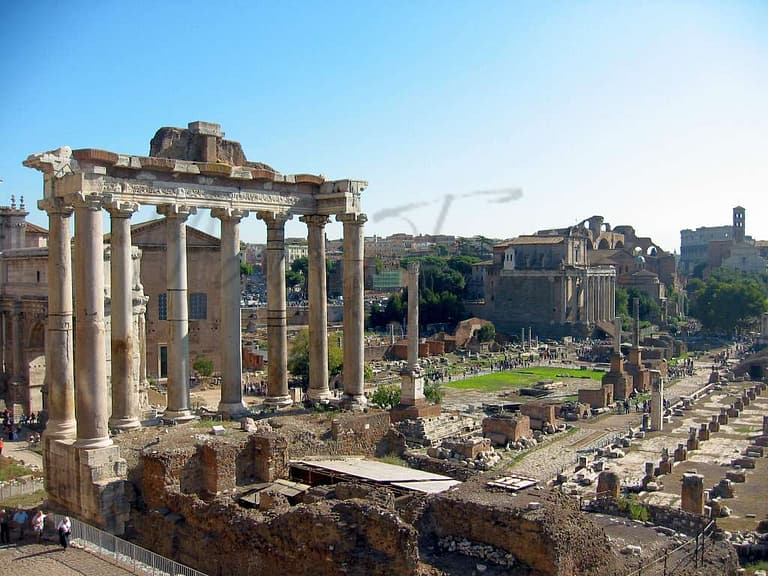
Rome, the capital of Italy and a central hub in Lazio, is a vibrant city steeped in history and culture. Its ancient ruins, such as the Colosseum and the Roman Forum, attract millions of visitors annually, serving as a testament to its storied past. For expatriates and retirees, the city offers a high walkability index, making it easy to explore its charming neighborhoods, each with unique character, from the artistic Trastevere to the upscale Spanish Steps area. Though Rome's healthcare system ranks impressively, expats may find challenges with navigating bureaucracy and language barriers. Additionally, while the proximity to beaches offers recreational opportunities, they are a short drive away, requiring some planning. The air quality is notably good, contributing to a pleasant living environment. Rome's rich culinary traditions and lively markets enhance its appeal, making it a compelling choice for those seeking both cultural immersion and urban convenience.
How Roma is built
Post-war expanded comune
A whole-city district map is coming for larger comuni.
Explore the full interactive map — members onlyBuilding age, condition and occupancy from the ISTAT census (2011), by census section. Occupancy is shown as one honest split — the 2011 census does not reliably separate holiday homes from vacant ones.
Towns like Roma
Closest matches in Lazio on quality of life, infrastructure and economy.
- Frascati — Roma · 22,900 residents
- Grottaferrata — Roma · 20,300 residents
- Pomezia — Roma · 64,700 residents
- Civitavecchia — Roma · 51,600 residents
- Albano Laziale — Roma · 39,700 residents
- Bracciano — Roma · 18,400 residents
The rest of the Roma profile — cost of living, healthcare, climate, broadband, schools and the full pros & cons — is behind a free account.
 English
 French
 German
 Italian
 Danish