

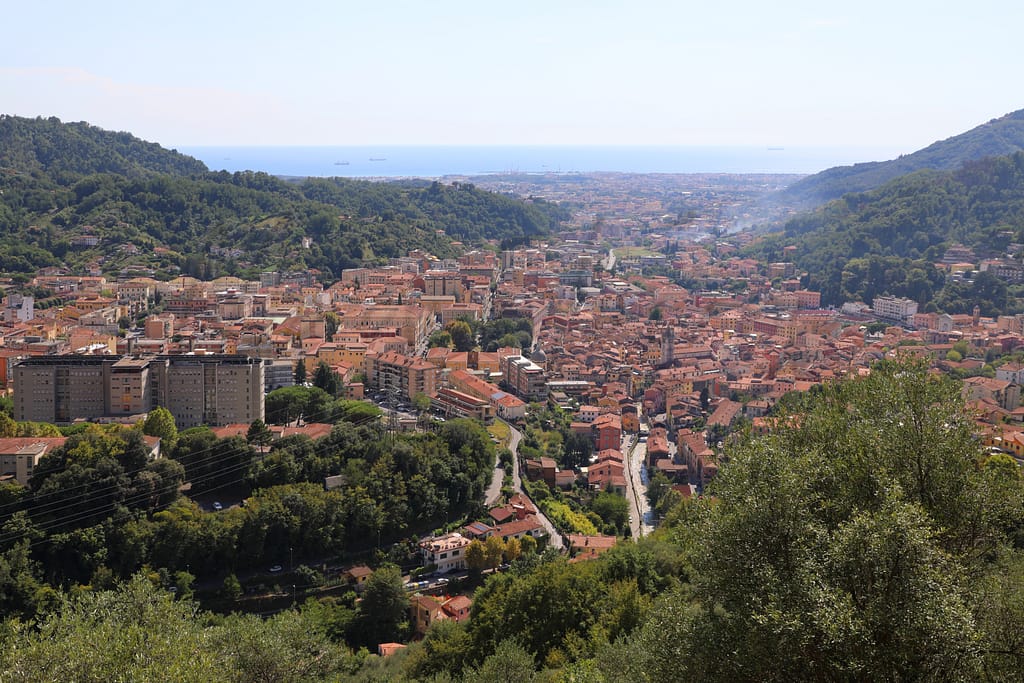
Carrara
59,700 residents · 155,500 within 5 km · 58 m above sea level
What Carrara is actually like
Carrara, situated in the heart of Tuscany, is renowned as the "marble capital" of the world, a legacy that shapes much of its identity. Visitors can explore its rich cultural fabric, showcased by artistic landmarks like the Carrara Cathedral and the Civic Museum of Marble. The town's historic center, featuring the picturesque Piazza Alberica and architectural gems such as the Sanctuary of the Madonna delle Grazie, offers a blend of history and community life beautifully. Retirees will appreciate Carrara's moderate climate and proximity to the Apuan Alps, ideal for outdoor enthusiasts. While the town presents a charming lifestyle, potential drawbacks include limited healthcare options relative to larger cities and a somewhat slower pace, which may not suit everyone's lifestyle. The nearby Marina di Carrara beaches provide excellent water quality, enhancing its appeal. Overall, Carrara offers a unique blend of history, artistry, and natural beauty, creating an inviting atmosphere for expats and retirees alike.
How Carrara is built
Post-war expanded comune
Building age, condition and occupancy from the ISTAT census (2011), by census section. Occupancy is shown as one honest split — the 2011 census does not reliably separate holiday homes from vacant ones.
Towns like Carrara
Closest matches in Toscana on quality of life, infrastructure and economy.
- Greve in Chianti — Firenze · 13,400 residents
- Massarosa — Lucca · 21,800 residents
- Carmignano — Prato · 14,500 residents
- Montale — Pistoia · 10,500 residents
- Figline e Incisa Valdarno — Firenze · 23,200 residents
- Montignoso — Massa-Carrara · 10,100 residents
The rest of the Carrara profile — cost of living, healthcare, climate, broadband, schools and the full pros & cons — is behind a free account.
 English
 French
 German
 Italian
 Danish