

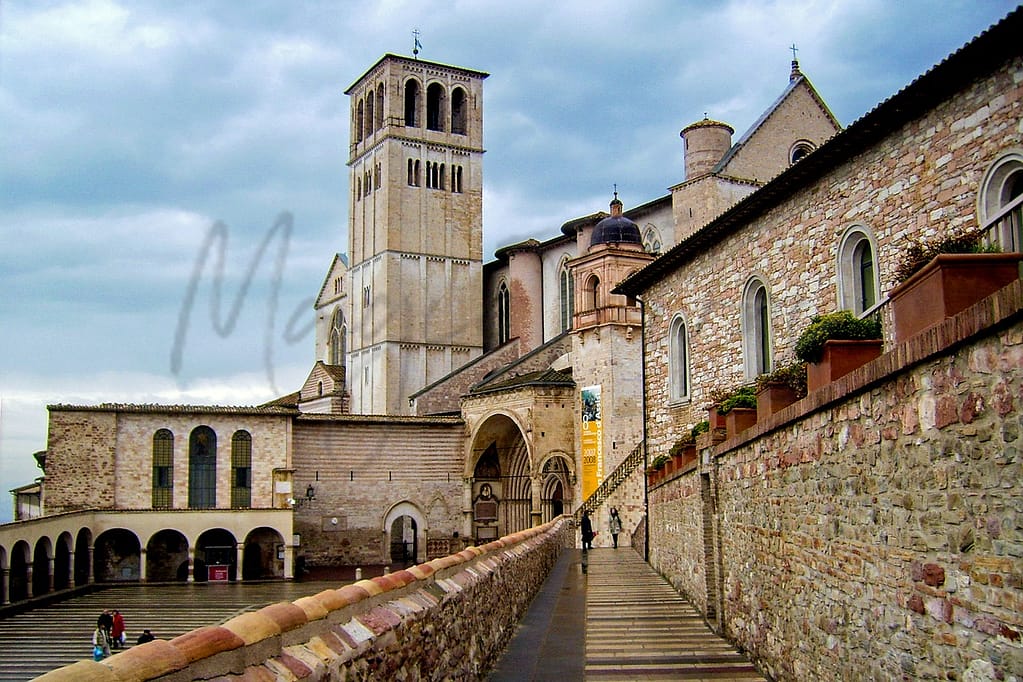
Assisi
27,500 residents · 64,700 within 5 km · 446 m above sea level
What Assisi is actually like
Assisi, nestled in the verdant hills of Umbria, offers a rich blend of history and community that appeals to many foreign expats and retirees. The town is famed for its stunning medieval architecture and as the birthplace of Saint Francis, drawing those interested in spirituality and art. Key attractions include the Basilica of San Francesco, renowned for its frescoes, and the charming streets that invite leisurely exploration. Local traditions, such as the celebration of religious festivals, provide opportunities for cultural immersion. While Assisi boasts a low air pollution rate and is merely a 13-minute drive from the nearest airport, some drawbacks exist. The town's walkability score is low, which can limit everyday mobility, and the nearest beach is a significant distance away. Additionally, while healthcare quality is generally acceptable, expats may find it lacking compared to larger urban centers. Overall, Assisi presents a unique lifestyle for those willing to adapt to its rhythms.
How Assisi is built
Post-war expanded comune
Building age, condition and occupancy from the ISTAT census (2011), by census section. Occupancy is shown as one honest split — the 2011 census does not reliably separate holiday homes from vacant ones.
Towns like Assisi
Closest matches in Umbria on quality of life, infrastructure and economy.
- Todi — Perugia · 15,500 residents
- Castiglione del Lago — Perugia · 15,200 residents
- Magione — Perugia · 14,700 residents
- Città di Castello — Perugia · 37,900 residents
- San Giustino — Perugia · 11,100 residents
- Gubbio — Perugia · 30,300 residents
The rest of the Assisi profile — cost of living, healthcare, climate, broadband, schools and the full pros & cons — is behind a free account.
 English
 French
 German
 Italian
 Danish