

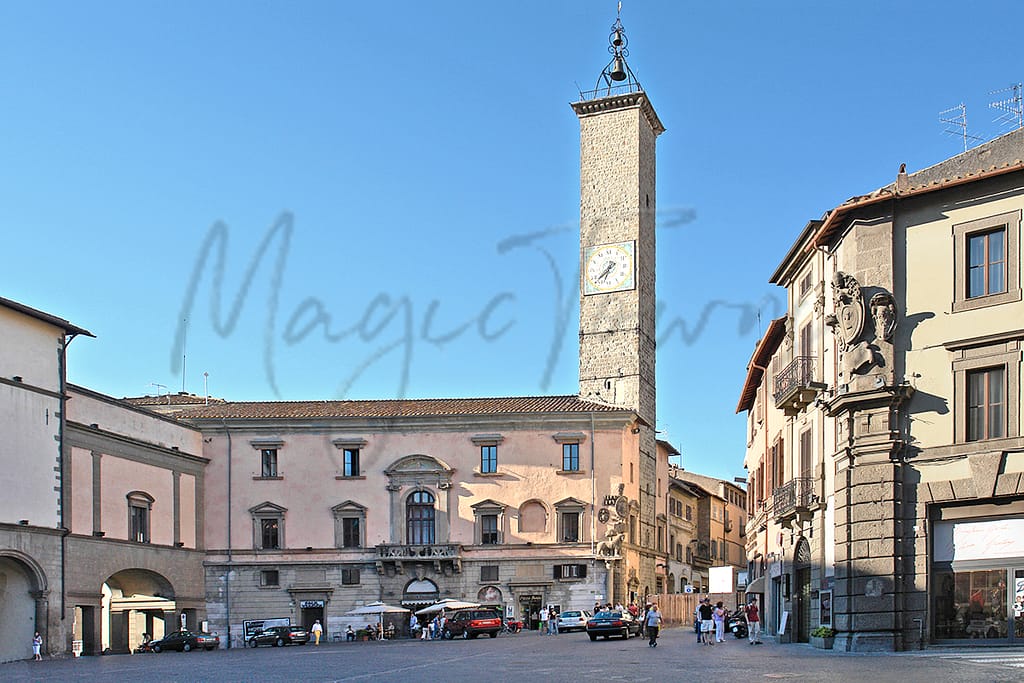
Viterbo
66,400 residents · 128,300 within 5 km · 329 m above sea level
What Viterbo is actually like
Viterbo, located about 90 minutes north of Rome, is a historic town renowned for its medieval architecture and rich cultural landscape. The well-preserved historical center features cobbled streets, ancient stone towers, and significant historical sites, making it an attractive spot for retirees seeking tranquility combined with an active community life. Viterbo hosts various cultural events throughout the year, enhancing its appeal to expats with a diverse social calendar. The proximity to natural attractions, including the hot springs of nearby lakes, offers residents unique leisure opportunities. While Viterbo offers a relatively affordable cost of living, it may pose challenges for those accustomed to urban conveniences. Public transport options are variable, which can impact mobility. Nevertheless, the town's excellent healthcare facilities and strong community ties create a welcoming atmosphere for newcomers. Expats and retirees will find themselves immersed in a lifestyle rich in history and local traditions.
How Viterbo is built
Post-war expanded comune
Building age, condition and occupancy from the ISTAT census (2011), by census section. Occupancy is shown as one honest split — the 2011 census does not reliably separate holiday homes from vacant ones.
Towns like Viterbo
Closest matches in Lazio on quality of life, infrastructure and economy.
- Civita Castellana — Viterbo · 15,100 residents
- Rieti — Rieti · 45,100 residents
- Ferentino — Frosinone · 19,900 residents
- Guidonia Montecelio — Roma · 89,000 residents
- Pomezia — Roma · 64,700 residents
- Frosinone — Frosinone · 43,000 residents
The rest of the Viterbo profile — cost of living, healthcare, climate, broadband, schools and the full pros & cons — is behind a free account.
 English
 French
 German
 Italian
 Danish