

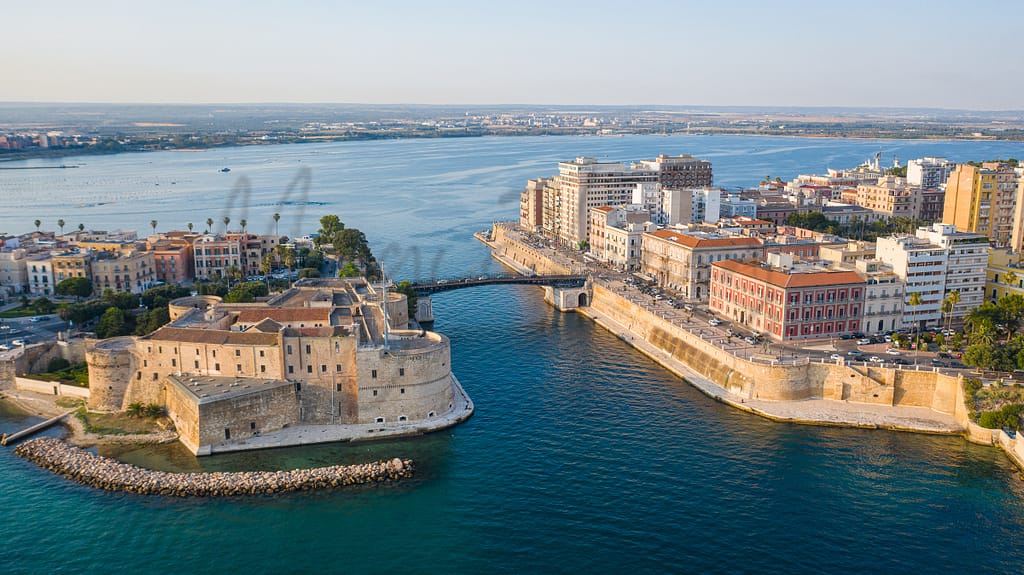
Taranto
186,000 residents · 368,300 within 5 km · 16 m above sea level
What Taranto is actually like
Taranto, a coastal city in Puglia, offers expats a compelling blend of history, culture, and a slower pace of life. It is renowned for the National Archaeological Museum, showcasing artifacts from its rich Greek and Roman past, and the impressive Aragonese Castle. The proximity to stunning beaches and the Adriatic Sea promotes a lifestyle centered around outdoor activities such as sailing and snorkeling. Culinary enthusiasts will appreciate the local cuisine, particularly the famed panzerotti and an abundance of fresh seafood, supported by the region's agricultural traditions. However, potential challenges await newcomers. The local healthcare system has received mixed reviews, necessitating thorough research by expats. Additionally, a language barrier exists, as English is not widely spoken, which may complicate day-to-day interactions. The climate can be hot and humid, potentially requiring adjustments. Overall, Taranto presents a unique yet complex lifestyle for those considering relocating.
How Taranto is built
Post-war expanded comune
Building age, condition and occupancy from the ISTAT census (2011), by census section. Occupancy is shown as one honest split — the 2011 census does not reliably separate holiday homes from vacant ones.
Towns like Taranto
Closest matches in Puglia on quality of life, infrastructure and economy.
- Statte — Taranto · 12,600 residents
- Crispiano — Taranto · 12,900 residents
- San Giorgio Ionico — Taranto · 14,000 residents
- Massafra — Taranto · 31,800 residents
- San Marco i Lamis — Foggia · 12,300 residents
- Mottola — Taranto · 15,100 residents
The rest of the Taranto profile — cost of living, healthcare, climate, broadband, schools and the full pros & cons — is behind a free account.
 English
 French
 German
 Italian
 Danish