

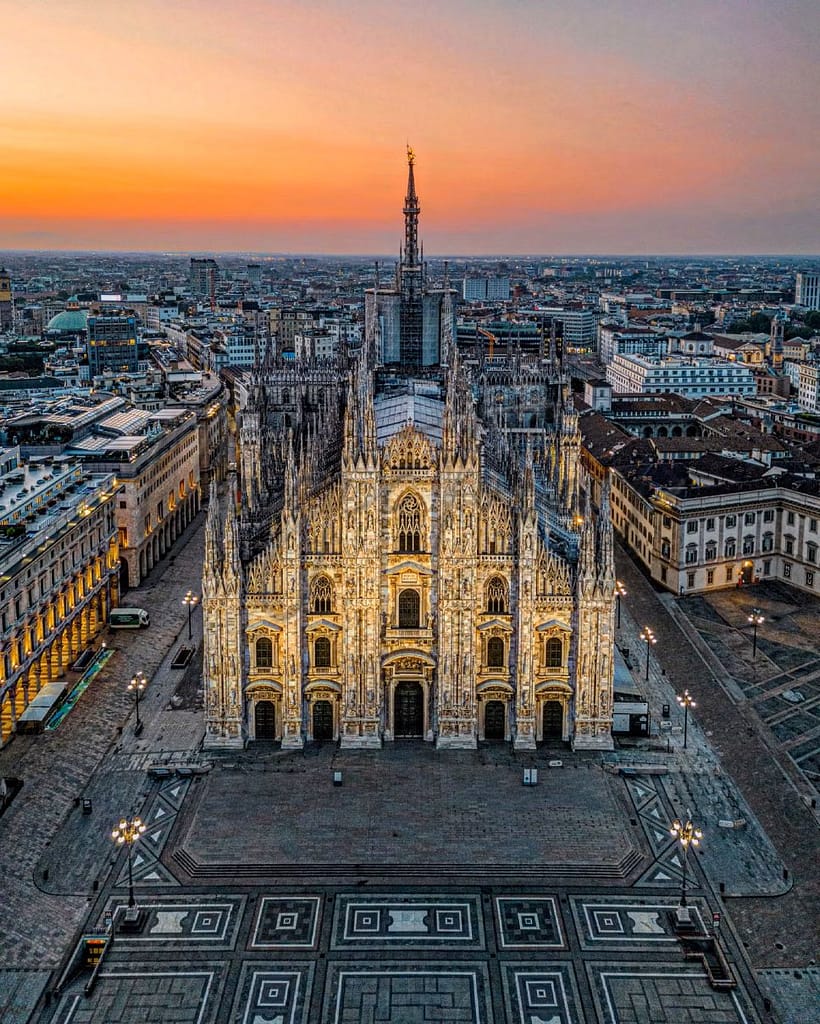
Milano
1,365,700 residents · 2,335,200 within 5 km · 122 m above sea level
What Milano is actually like
Milan, the vibrant capital of Lombardy, is a dynamic hub known for its rich cultural tapestry and influential industries. This cosmopolitan city, recognized for its exceptional fashion and design, attracts a diverse expatriate community, comprising nearly twenty percent of its populace. Key attractions include the iconic Duomo di Milano, the historic Sforzesco Castle, and the artistic legacy of Leonardo da Vinci, especially his masterpiece, The Last Supper. Milan thrives on a meritocratic work environment, appealing to entrepreneurs and professionals alike. Yet, challenges persist; notably, the complexities of navigating healthcare systems and the Italian job market can be daunting, particularly for non-EU residents facing permit issues. Language barriers may complicate daily interactions, and certain neighborhoods are advised against due to higher crime rates. Despite these challenges, Milan's rich cultural offerings and strong international character contribute to its allure for expats and retirees.
How Milano is built
Post-war expanded comune
A whole-city district map is coming for larger comuni.
Building age, condition and occupancy from the ISTAT census (2011), by census section. Occupancy is shown as one honest split — the 2011 census does not reliably separate holiday homes from vacant ones.
Towns like Milano
Closest matches in Lombardia on quality of life, infrastructure and economy.
The rest of the Milano profile — cost of living, healthcare, climate, broadband, schools and the full pros & cons — is behind a free account.
 English
 French
 German
 Italian
 Danish