

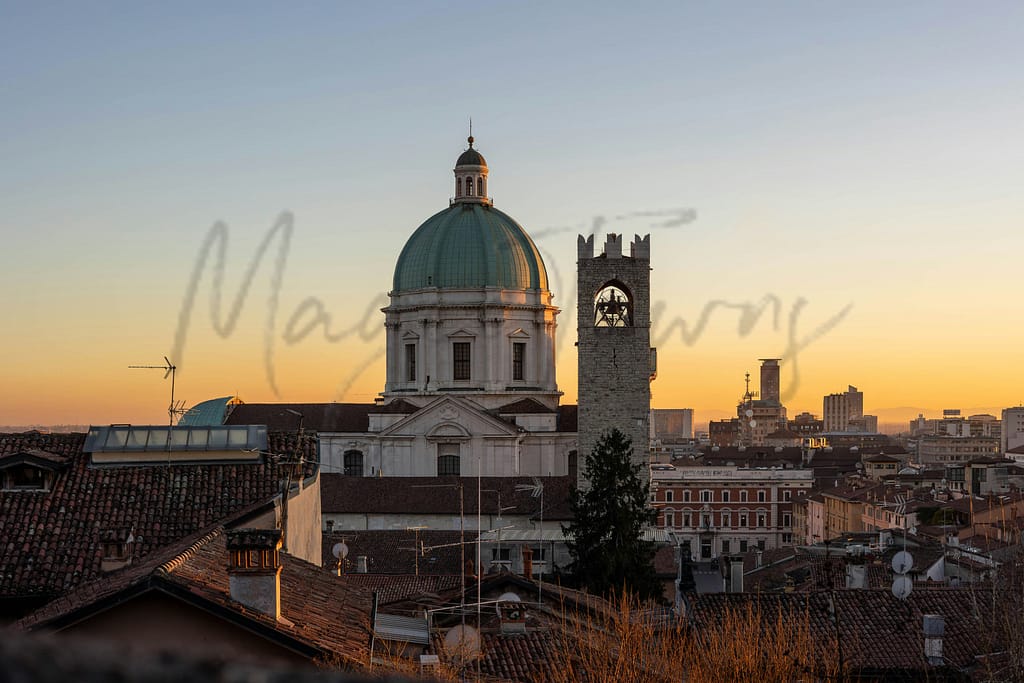
Brescia
199,900 residents · 361,100 within 5 km · 146 m above sea level
What Brescia is actually like
Brescia, located in the Lombardy region, is renowned for its blend of history and modernity, making it an attractive choice for expats and retirees. The city boasts impressive medieval architecture, exemplified by the Duomo and Palazzo Pubblico, alongside vibrant cultural venues like theaters and art galleries. Its robust economy thrives on sectors such as metalworking, machine manufacturing, and renewable energy, providing opportunities for skilled professionals. The local gastronomy is notable for specialties like Franciacorta sparkling wine and various traditional cheeses, while the surrounding countryside offers outdoor activities. However, expats may encounter challenges, including language barriers and a bureaucratic system that can be cumbersome. Moreover, while Brescia’s healthcare and education systems rank highly, the city’s nightlife is less vibrant compared to larger Lombard cities. Despite these considerations, Brescia’s rich traditions, such as the Mille Miglia race, and a welcoming community create a fulfilling living environment.
How Brescia is built
Post-war expanded comune
Building age, condition and occupancy from the ISTAT census (2011), by census section. Occupancy is shown as one honest split — the 2011 census does not reliably separate holiday homes from vacant ones.
Towns like Brescia
Closest matches in Lombardia on quality of life, infrastructure and economy.
- Voghera — Pavia · 39,500 residents
- Palazzolo sull'Oglio — Brescia · 20,400 residents
- Chiari — Brescia · 19,600 residents
- Gussago — Brescia · 16,700 residents
- Desenzano del Garda — Brescia · 29,300 residents
- Stezzano — Bergamo · 13,700 residents
The rest of the Brescia profile — cost of living, healthcare, climate, broadband, schools and the full pros & cons — is behind a free account.
 English
 French
 German
 Italian
 Danish