
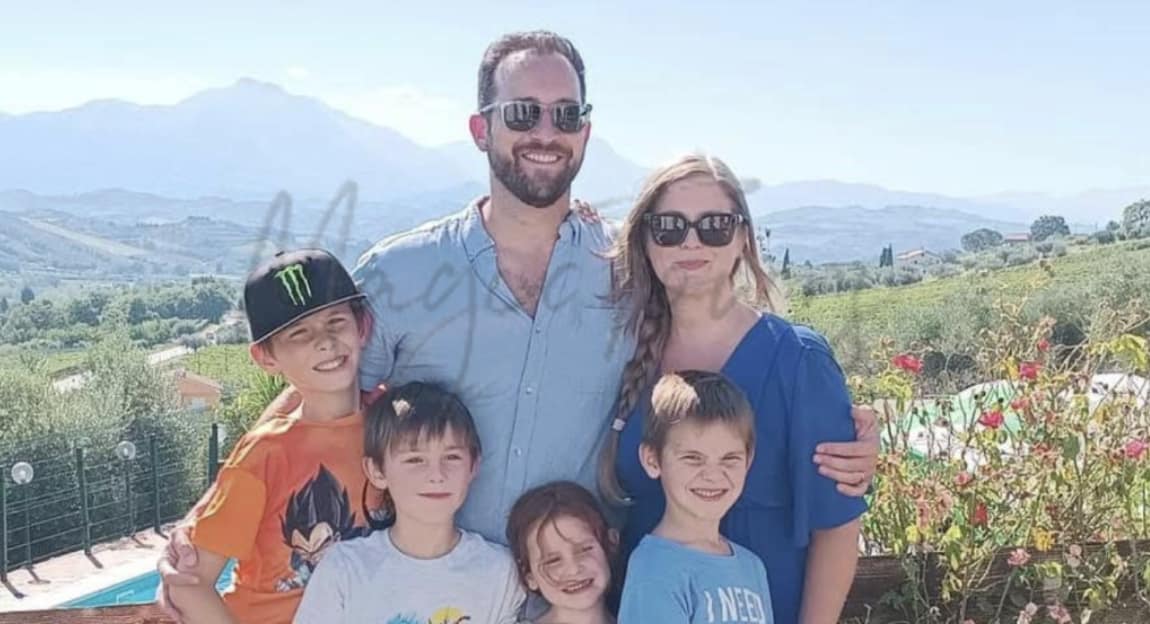
Joseph Reagan (@joe.in.italia) arrived in Italy after years of living abroad and a long search for a place his family could call home. By the time he and his wife Kate packed up their four kids and landed in the Trigno River valley, they had already lived in the US, spent the better part of a decade in Irland, and sadly, slowly realized that that couldn’t be the right place for them anymore. Moved by the desire of buying a home at a reasonable price, they started looking at Italy. And now, almost three years in, Joe is doing something admirable: he’s trying to save the town he moved to.
A Long Road to Abruzzo
Joe’s path to Italy is not exactly a straight line. Before he met his wife and settled down, he’d done volunteer work with the Capuchin Franciscans in Pretoria, South Africa – a peace program run by an Irish friar. Back in the US, he spent a year discerning whether to join the order, living in a friary in Brooklyn, working at a soup kitchen. He eventually realized he wanted a family, so he said his goodbyes and left.
A few years later, he and Kate were sitting at dinner when Sandy Hook happened. Their oldest son was still in an infant car seat.
“We just said, if that happened and nothing really changed – do we really want a future for our children in that environment?”
That was the moment things started to shift. They moved to Ireland in 2016, initially with two kids (two more were born there), and built a life there for almost eight years. Ireland was good to them – but the housing crisis kept moving the goalposts. Every time they got close to buying, the rules changed. They resigned themselves to renting. Then COVID happened, and somewhere in the scrolling, they found one-euro house schemes. Too much work, they decided. But it planted a seed.
Kate’s family is from Abruzzo, which made the region a natural starting point. They did their research on what a town actually needed to be livable. A school. A medical center. A bank. They found their house, bought it in 2023, and moved in that September. They’ve been there almost three years now.
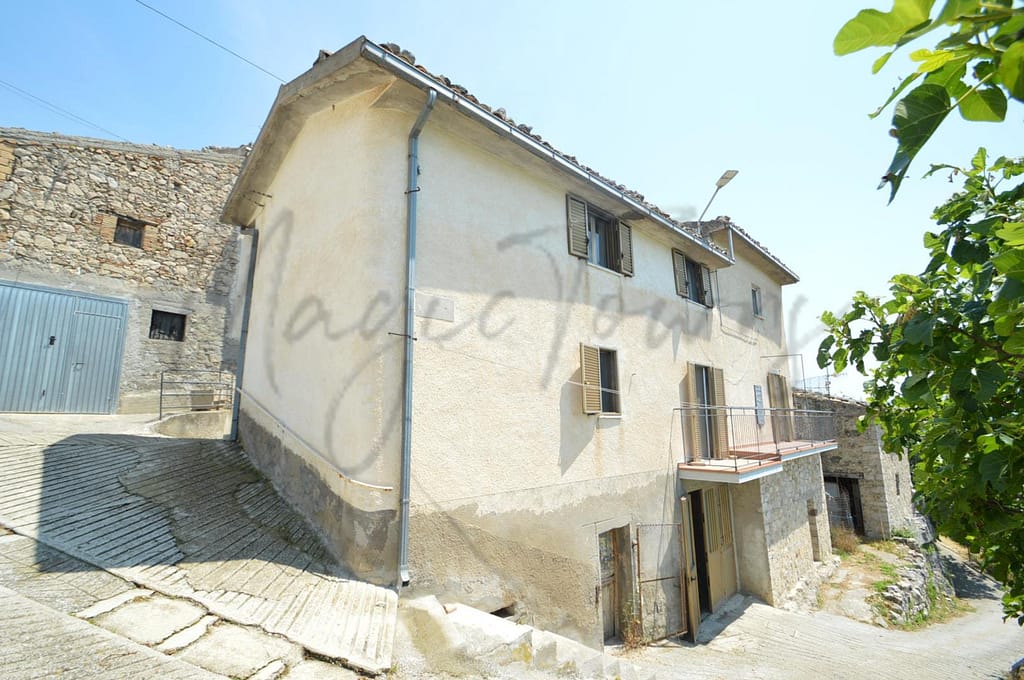
Celenza sul Trigno: The Town That’s Fighting Back
The town is called Celenza sul Trigno, and it sits in the Trigno River valley near the border with Molise. Although, according to Joe, this town has everything you’d need for daily life – a supermarket, schools, and a bank – it’s suffering from a real demographic crisis. The population has declined by 50% in the last 35 years, and the schools have closed in nearby towns, along with the supermarkets and shops. As we often highlight in our reports, these small hilltop towns in rural Italy are quietly emptying out.
“Celenza still has a pulse, though. Last week there was a Festa della Repubblica in the piazza – food trucks, music, people from surrounding towns coming in for the party. And just this week, the kids took part in the Transumanza, dressed up as shepherds, performing songs and poetry about the old way of life in Abruzzo. It’s just kinda telling the life of how people used to live here. So that was, like, a great experience. But you’re learning about how things have changed.”
But Joe also sees what could come next if nothing changes. Three towns near him have already lost their schools. He’s determined Celenza won’t be next.
Getting Here: The Paperwork Side
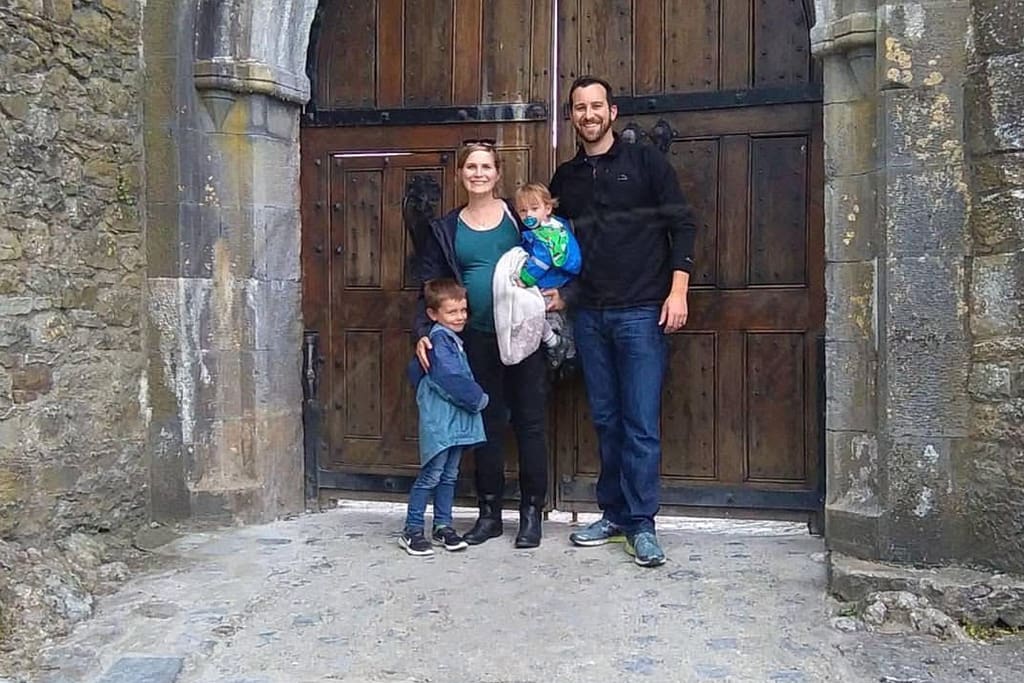
Joe’s immigration situation was smoother than most. Kate has an Italian passport – inherited from her grandfather – and so do the kids, who are dual US-Italian citizens. Joe himself was a permanent resident of Ireland, which carried weight when he applied for his carta di soggiorno.
However, as you may know, the main worry for expats moving to a small town is often the sprogbarriere. Although Italy is slowly changing in this sense, it’s not always easy to find someone who speaks English in the town hall. But given the situation of the town, and the cooperation among locals, Joe managed to find a woman from the town who had studied in England and spoke fluent English. When they arrived, she walked them through enrolling the kids in skole, translated for them, and helped them navigate those early bureaucratic steps.
“They really wanted us to stay here. They’re like: you have four kids, that’d be amazing if you could come and move to our town. We need kids. It’ll help our school. And she literally went with us to get the enrollment for the kids, and we signed it up and she translated for us, and that was, like, our first few weeks. But having somebody like that on your side is definitely beneficial.”
Learning Italian the Hard Way
Joe didn’t speak Italian when they arrived – just the basics. But last year he went out and got an Italian job. He spent last summer working for San Carlo (the Italian snack brand) doing sales and deliveries across the region. Out on the road all day, speaking Italian with shopkeepers, bar owners, and butchers. “My brain needed a break sometimes” he admits. But it worked. His Italian is now really good.
“You gotta be able to get out there. If you’re expecting people to speak English, they’re not going to, so you gotta adapt and learn Italian and put yourself in the situation. That is uncomfortable. You have to be uncomfortable. That’s how we learn. Also, I think Italy has a very open culture. People are proud of their town, and happy if you make the effort of speaking Italian.”
There are the obvious culture shocks too. The afternoon closures – everything shut from 1pm to 4pm – that still catch you off guard when you’re busy. “A lot of Americans have that idea – why were they closed? They’re losing money. But it’s just how they operate here. And so you adapt to that. So yes, everything in general is slower, but you get used to it.”
“I remember that in August, the hottest month, while I was doing my deliveries, the van’s air conditioning broke down. But I tried to focus on the positive, and I got acclimated. I just drove with the windows down. And I remember some of my customers saying: Joe, take it easy, have a beer. And that’s normal here. Americans would be like, ‘you’re having a beer?’ So things like that – you just realize it’s a different cultural thing, and you roll with it.”
School: Better Than Expected
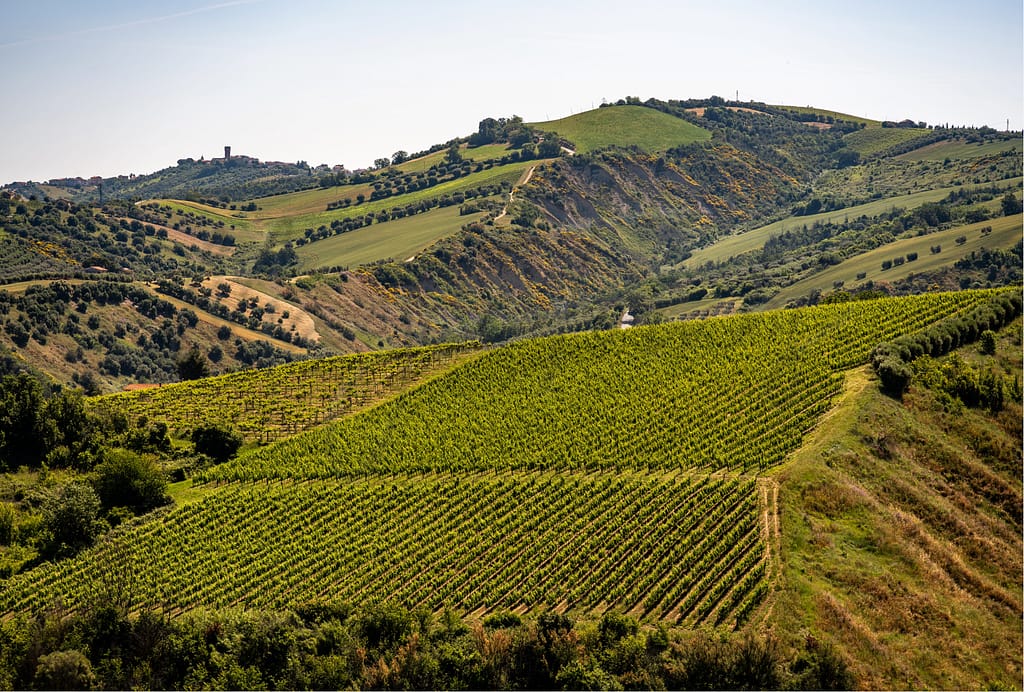
Joe says the experience in the local state school has been really positive so far. When they arrived, the kids weren’t fluent in Italian, so den skole put together a plan: extra Italian lessons, a WhatsApp group with teachers for ongoing communication, and monthly check-ins that first year to make sure the kids were settling in and feeling part of the class.
They’re all fluent now. And there’s one detail Joe keeps coming back to. One of his sons used to resist school so hard in Ireland that they practically had to drag him there every morning. A few weeks after starting school in Celenza, something shifted. He was the first one ready, schoolbag on, waiting at the door. “We were like, who is this kid? This is not the kid we knew.”
He thinks it comes down to the socialization – being thrown into a situation where you have to learn the language, where you have to connect with people your age, where there’s no other option. And then den confidence that comes after, when a kid realizes: I speak Italian and English. I did that. “That was probably the biggest thing I saw as a parent.”
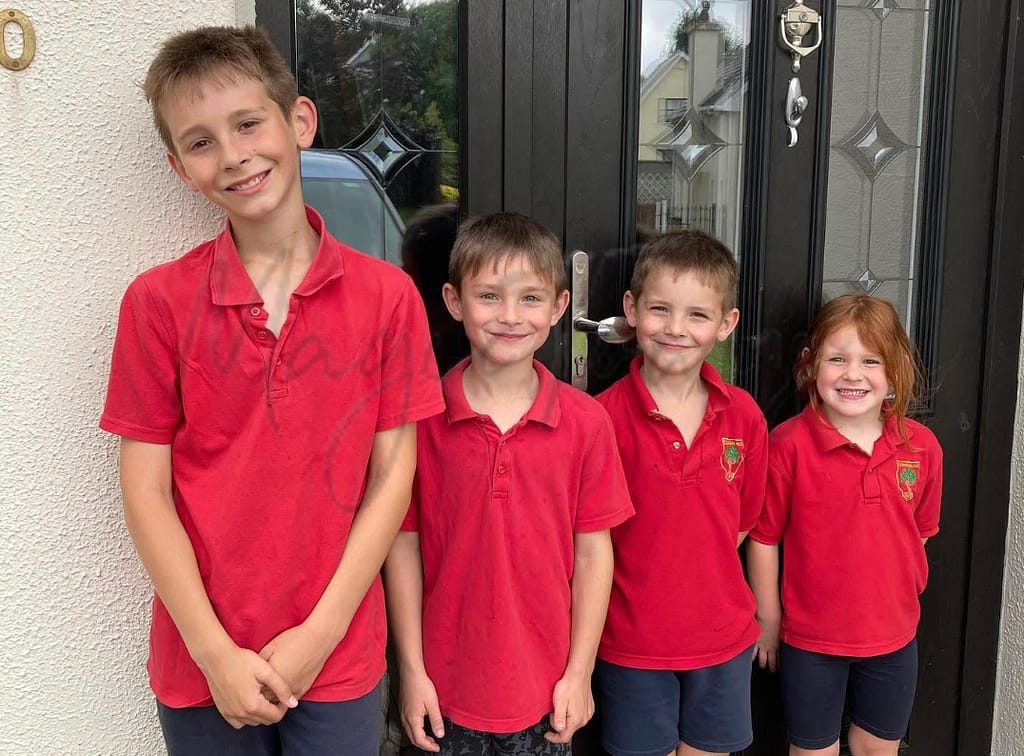
The Mission: Three to Five Families
Joe is now spending a significant chunk of his time trying to attract people – in particular familier – to Celenza. He started making TikTok videos, initially just showcasing properties that had been sitting with estate agents for five years with nothing happening. The videos got traction. People came to see the houses, and locals started knocking on his door asking him to film their homes too. He’s also promoting lokale virksomheder – a hotel nearby that runs pasta-making courses, hiking trails, olive harvests.
“Very often tourists think that in these small towns there’s not much happening. Maybe they come at 3pm and don’t see anything going on. Well, they’re having lunch. They’re on their break. Everybody has their daily schedule, and if you don’t realize that it’s a totally different one from what you’re used to – especially in the summertime – you’re not gonna have the full experience. So we also want to promote a bit of slow tourism in the area.”
His immediate goal is three to five families. Right now, Celenza has around 180 vacant or abandoned homes. Bringing children here means investing in the future of the town – ensuring, first, that the school will remain open, and second, giving the community what it needs most.
He’s already had his first win: a man from the town who had moved away is coming back, buying a house, and enrolling his two kids in school. Joe found out the middle school had just enough kids to avoid splitting classes – but if this man’s son enrolled in sixth grade, they’d have enough to split into two. He passed that along. The father got in touch with the school district and sorted it. “That was my first little win.”
What It Actually Takes
We asked Joe what kind of expat would love living there, and who might struggle a bit.
“You have to be industrious. Adventuresome. Comfortable with discomfort, because it’s coming regardless. If you’re expecting things to drop in your lap, it’s not gonna happen.”
Den sprog is the big one. Nobody in the public administration speaks English. Most shopkeepers don’t either. You’re going to mess up verb tenses, get masculine and feminine mixed up, and feel embarrassed about it. His advice: let it go. “When you’re a kid, you don’t have that shame. That’s how we learn. You just gotta do it.” And yes, on top of standard Italian, people here still speak a lot of the lokal dialect – but it’s manageable, and with time, even motivating.
The social side has been one of the real surprises:
“In Ireland there was no language barrier, but you still sometimes struggle to really make good friends. Here, even with the language barrier, I still find that people are much more open. My social calendar has never been busier than it has in Italy, because there’s always something – a school event with prosecco for the parents, soccer on Sunday mornings followed by coffee in a nearby town. People want to know who you are, where you’re from, why you chose here. And when you go to a neighboring town and mention you live in Celenza, they’ll ask why you didn’t choose their town instead – in the nicest possible way, just fiercely proud of their own corner of the world.”
“You gotta get out there. Italians are a warm, open culture. You just gotta do it.”
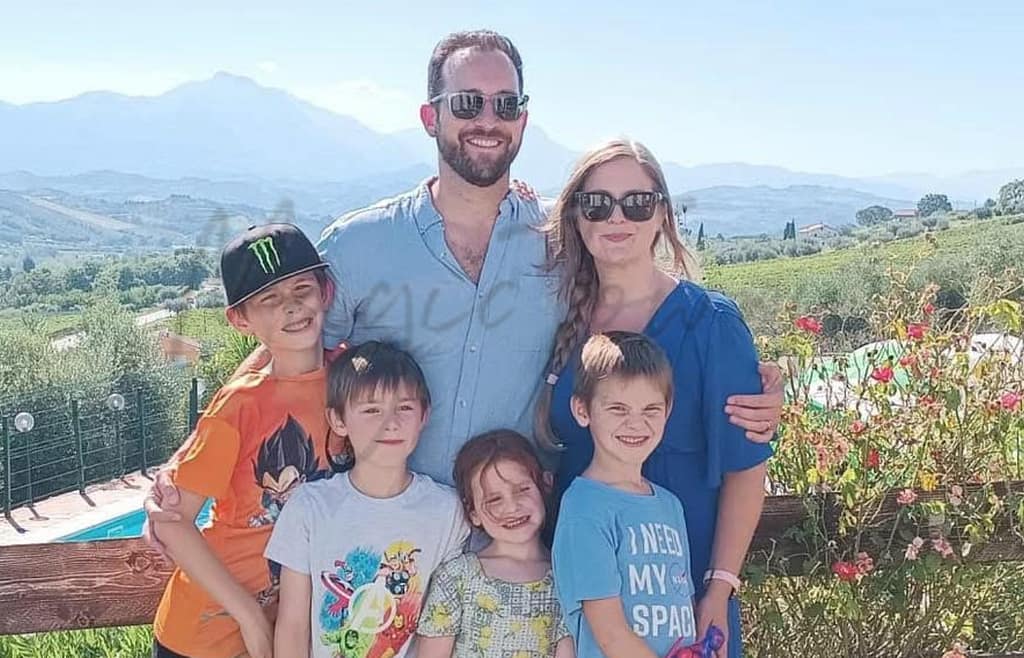
Joe is soon hosting a webinar where he will walk everyone through how he navigated the move and what the possibilities look like for anyone looking at buying in this part of Italy. If you want to stay up to date on his life in Celenza sul Trigno and his ongoing mission to bring families to the area, give him a follow on Instagram @joe.in.italia.






 English
 French
 German
 Italian
 Danish