

Kun 10 dage tilbage til jul, og byerne er helt oplyste. Nu kommer Den bedste del - forberedelserne til den store frokost, de løbende festligheder i forskellige byer ... men hvis du stadig undrer dig over, hvad de super italienske juletraditioner er i denne tid, har vi udvalgt dem, der for os er absolutte musts i Italien.
Uanset om du er en expat, der planlægger din Første jul i Italien eller bare er nysgerrig efter at vide, hvordan italienerne virkelig fejrer, så er dette de traditioner, du faktisk vil opleve. At bo her.
1. Plastiktræer og store julekrybber på alle pladser
Italien har ikke rigtig den amerikanske eller nordeuropæiske tradition for at gå ud og købe en ægte juletræ at tage med hjem. Her handler det hele om plastik.. Jeg kan ikke sige, om det er miljømæssigt bedre eller værre, men de holder normalt for evigt. Folk udskifter dem sjældent, de bliver bare ved år efter år.
Der er ingen præcis dato for, hvornår italienerne begynder at pynte op, men de fleste starter den 8. december i forbindelse med festen for den ubesmittede undfangelse. Jeg kender dog nogle overpræsterende mennesker, som starter i november.
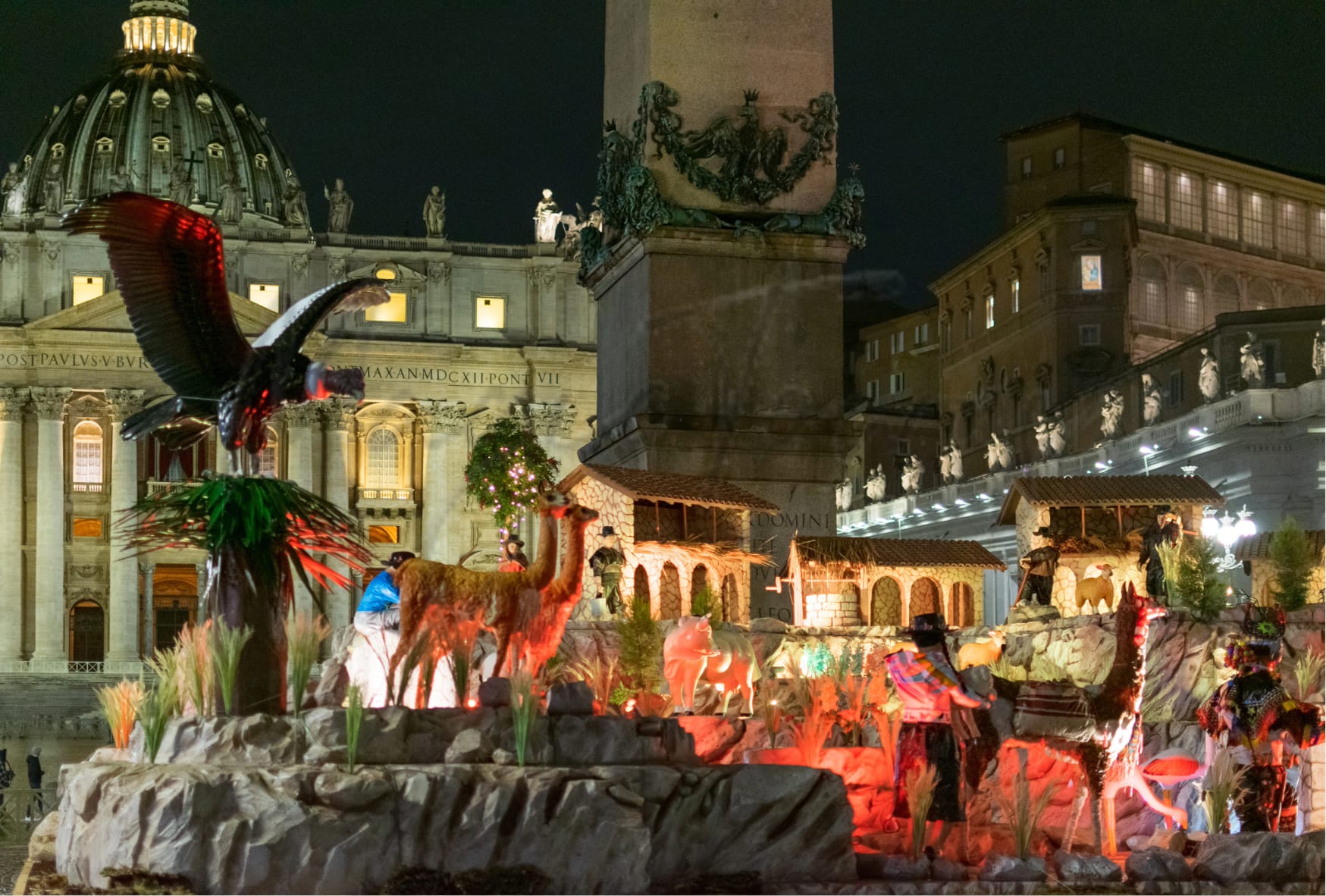
Og så er der presepe - krybbespillet. Mens Ikke alle italienere familie laver en derhjemme, finder du dem overalt på byens pladser og julemarkeder. I løbet af denne tid gør nogle steder endda levende krybbespil med rigtige skuespillere. En af de mest ikoniske er i Matera, En by, der i forvejen er ret magisk, fordi den er bygget ind i klipperne med bygninger, der er hugget direkte ind i stenen.
2. Den store debat om panettone vs. pandoro
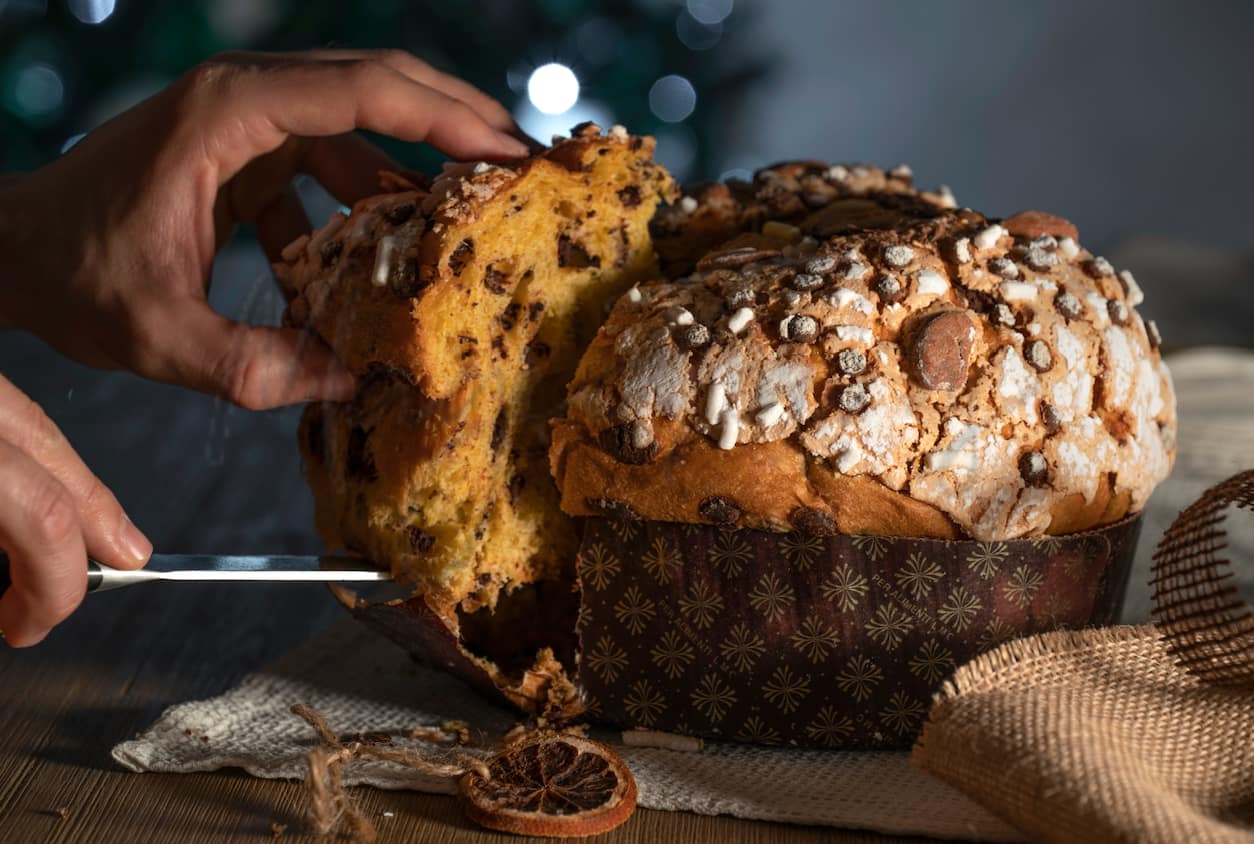
Dette er den klassisk argument som italienske venner og familie har på bordet mindst én gang om året: panettone eller pandoro? Panettone er den, der er fyldt med Rosiner og kandiseret frugt, med en mere luftig og kompakt tekstur. Pandoro er Blødere og mere luftig, men den er stort set tom indeni. Beklager til alle pandoro-elskere derude, men for mig vinder panettone 10-0. Jeg mener, helt ærligt - at spise en bid af ingenting i forhold til at finde et overraskende udbrud af lækker kandiseret frugt? Ingen konkurrence.
I de senere år har begge udviklet sig med masser af variationer: abrikos og amaretto, saltet karamel, chokolade, pistacie ... Så i løbet af denne sæson skynder masser af italienere sig til håndværksbagerier og forudbestilling den ægte vare flere uger i forvejen. Hvis du endnu ikke har prøvet en håndlavet panettone eller pandoro, så gør det. Forskellen fra den industrielle vare er nat og dag.
3. Alle laver mad dagen før (uanset om de er værter eller ej) - Leftovers Forever
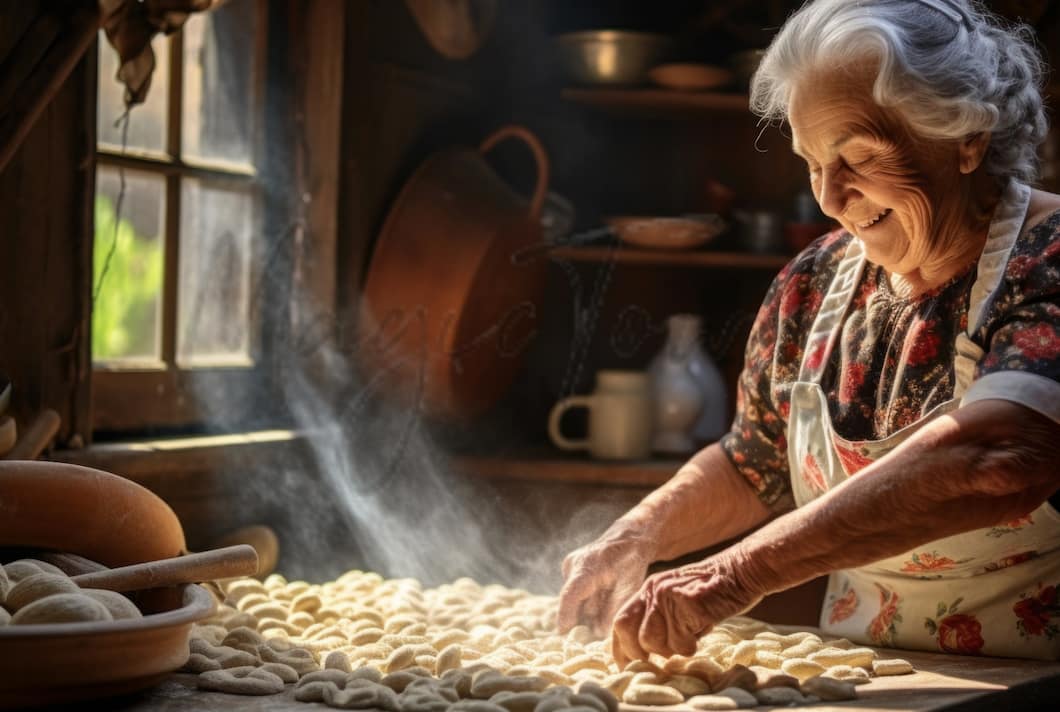
Hvert år organiserer familier sig for at finde ud af hvor for at fejre jul. Uanset om det er hos din tante, bedstemor eller din bror, bruger alle juleaften eller endda julemorgenen på at lave noget mad til bidrage. Normalt medbringer folk forretter eller en dejlig håndværksmæssig panettone. Men uanset hvad, for at ære den italienske kulinariske tradition, skal du altid gør dobbelt hvad der faktisk er brug for.
Det er klart, mad er hellig og intet bliver smidt ud - i stedet, Rester bliver spist juleaften, på Santo Stefano (26. december), eller bliver frosset ned til de kommende uger.
4. Hvert måltid slutter med masser af peanuts, mandariner og appelsiner
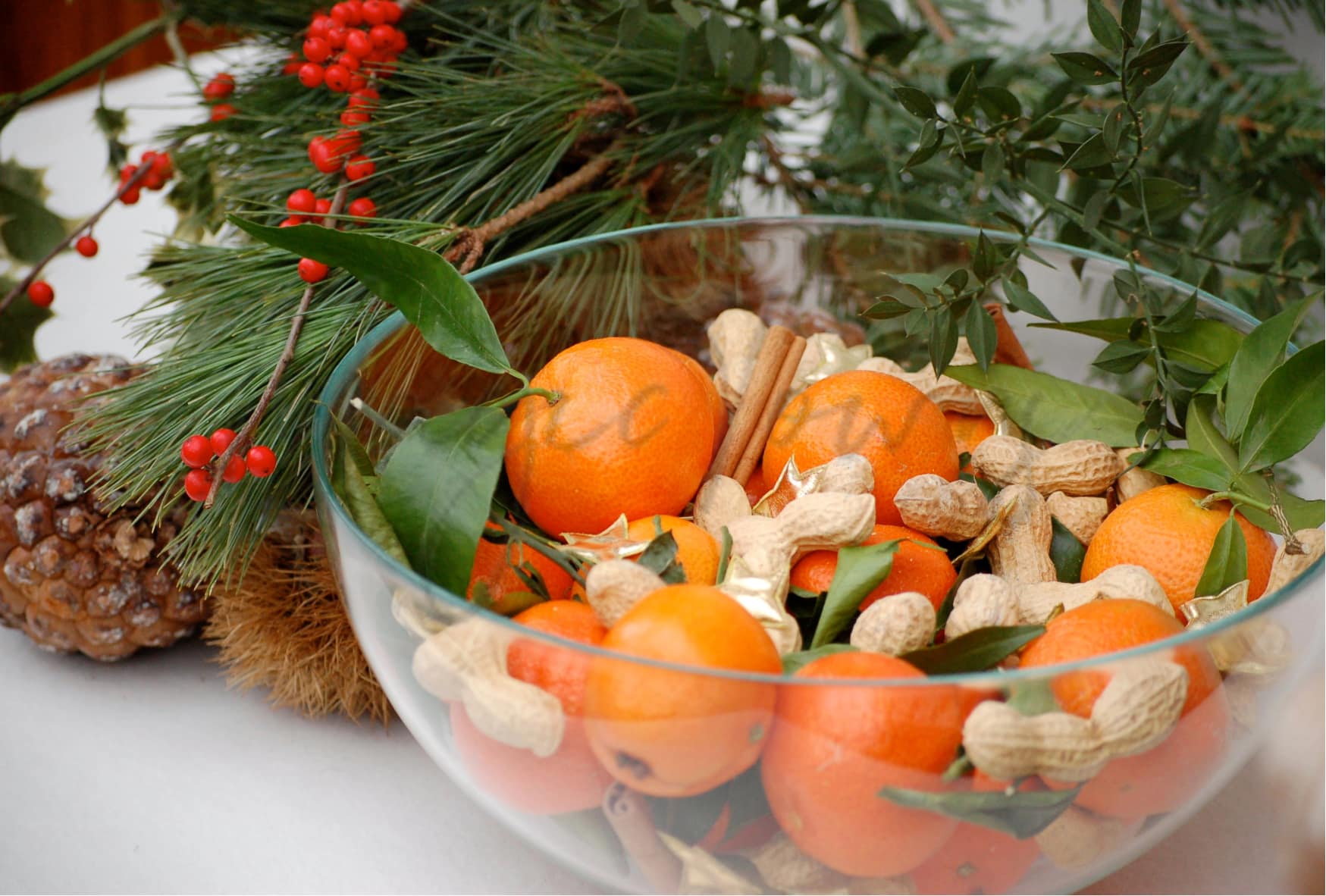
Dette er måske et af de aspekter af disse traditioner, der får mig til at grine mest, men jeg synes, det opsummerer Den italienske ånd 100%. Du spørger måske: Har vi virkelig også brug for peanuts og appelsiner efter et måltid, der varer i timevis?
Hvis du bliver inviteret til julefrokost, skal du forvente at ankomme kl. 12.30 eller 13.00 og ikke rejse dig fra bordet. indtil kl. 18.00, hvis ikke senere. I løbet af alt dette, mellem forretter, første ret, anden ret (tredje...) og dessert, går der timer. Timer brugt på at tale, tale og tale endnu mere. Så når dagen er omme, fortsætter med at gumle på peanuts (som i Veneto vi kalder “bagigi“) og mandariner/appelsiner er en måde at sige “lad os rense ganen lidt” (jeg ved godt, det lyder absurd), men først og fremmest er det for at blive ved med at sludre og afslutte de sidste samtaler.
5. Julefesten slutter ikke den 25. december
I løbet af juletiden er der festligheder på ved flere lejligheder: i nogle regioner, især i Cremona-provinsen, Bergamo, Lodi, Mantova og Brescia, Santa Lucia ankommer den 13. december med gaver, så børnene åbner gaverne den dag. I andre dele af Italien åbner nogle dem juleaften (den 24.), men de fleste åbner dem om morgenen den 25. efter religiøst at have udeladt en en tallerken med småkager og et glas mælk for Babbo Natale (Julemanden).
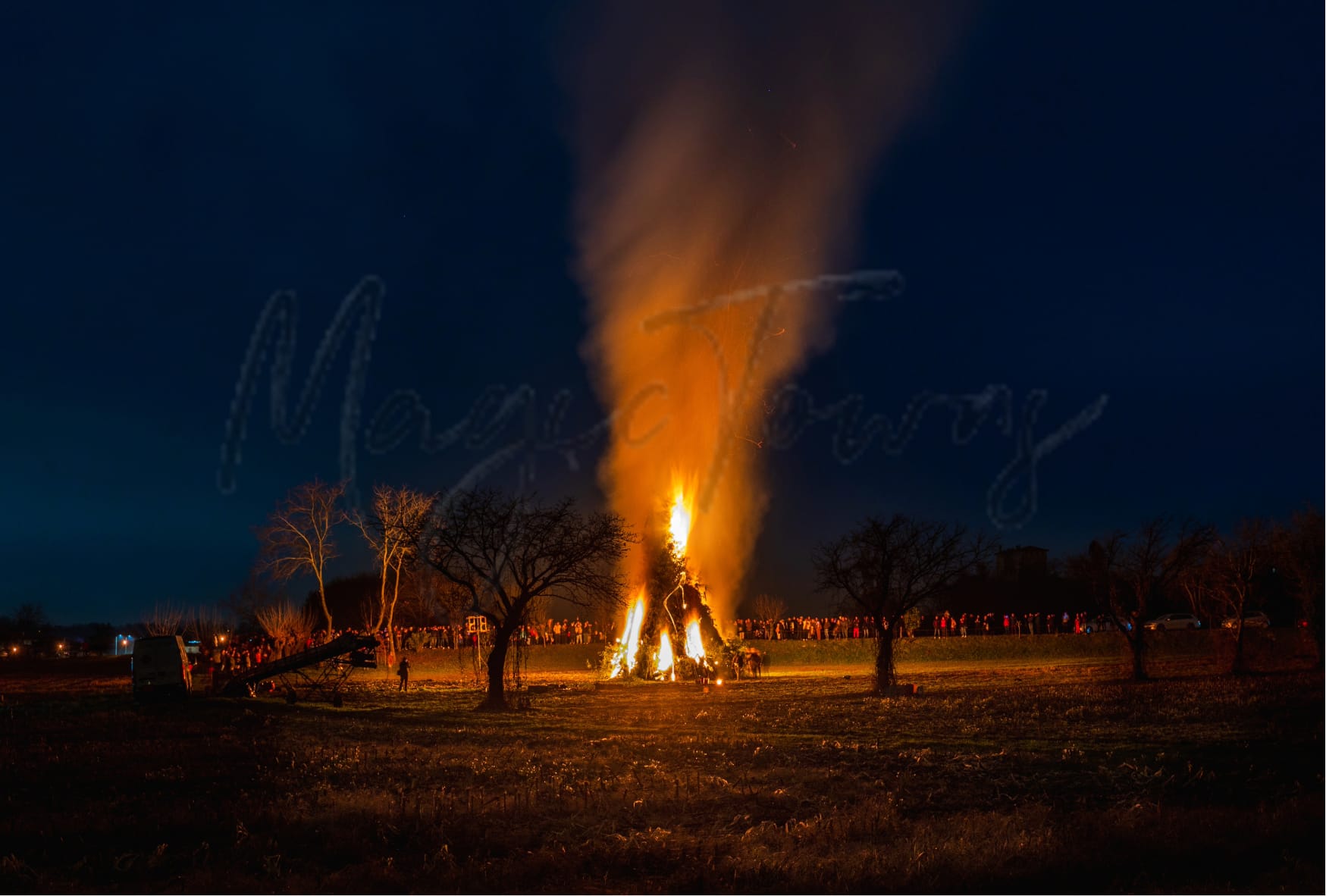
Og så den 26, Santo Stefano, Og så er der som regel endnu en stor frokost, typisk med den del af familien, som man ikke fejrede jul med. Og så, tænker du måske, er det hele slut efter nytår, ikke? Faktisk slutter den rigtige julestemning ikke indtil 6. januar, når Befana ankommer - en gammel kvinde, som i den italienske forestillingsverden ligner en heks. Hun kommer med Spiseligt kul til børn, der opførte sig dårligt, og slik til dem, der var artige. Så børn vågner op med en Strømpe fuld af lækkerier! Og især i mange byer, De bygger en kæmpe Befana-figur i byens centrum (lavet af papmaché, træ osv.), hele byen samles, og hun får... brændt foran alle - En måde at lægge det forgangne år bag sig.
Vil du gerne flytte til Italien, men ved ikke hvorhen?
Hvis du gerne vil flytte til Italien, men du stadig er uafklaret om hvor fordi du har forskellige prioriteter - om det er god internetforbindelse, skatteincitamenter, nærliggende hospitaler og/eller lufthavne, gode skoler i området, havet, bjergene, mildt vejr året rundt osv. “Town Explorer” sektion på vores hjemmeside. Du kan filtrere efter de parametre, der betyder mest for dig, og finde de byer, der passer bedst til dine behov.
Og hvis du har andre spørgsmål, er vi her for at hjælpe! Vores medlemmer får adgang til en En times gratis konsultation.






 English
 French
 German
 Italian
 Danish