

As an Italian, I’ll never forget the day I watched my foreign friend toss a banana peel, a plastic bottle, and what looked like everything else she owned into the same bin – the general waste one. Just like that, without a second thought. What struck me even more was finding out that where she came from, that was completely normal. One bin, everything in it, done. That’s when I realized that how to recycle in Italy isn’t so obvious for many people.
That moment, indeed, turned into one of those long conversations where you end up talking about the environment, the damage we’re all quietly doing, and how something as small as sorting your trash can say a lot about where you grew up and what you were taught to care about.
So if you’re living in Italy, or thinking about moving here, and you’d rather not find yourself on the receiving end of a very passionate lecture from your Italian neighbor, this article is for you.
The ‘raccolta differenziata’ explained
Let’s start with something that might surprise you. Italy isn’t the chaotic country some people imagine when it comes to waste. Separate waste collection has been climbing steadily for years, and when it comes to actually feeding recycled material back into the economy, Italy performs significantly better than the EU average.
The system behind all this is called raccolta differenziata. You sort your trash at home into categories, and each one gets picked up separately, on different days. It’s not a suggestion. It’s mandatory, enforced at the municipal level, and yes, you can get fined if you ignore it. That said, performance varies a lot across the country. Northern regions like Trentino and Veneto consistently lead the rankings, while parts of southern Italy still struggle with infrastructure and enforcement. The system works – just not at the same level everywhere.
Here’s how it works, bin by bin. Colors can vary by municipality, so always double-check yours locally:
Brown – Organico (food/organic waste) Food scraps, coffee grounds, eggshells, fruit and vegetable peels, tea bags, paper napkins, small bones. One thing to know: Italy doesn’t use in-sink garbage disposals, so this bin fills up faster than you’d expect.
Yellow or Blue – Plastica e Metalli (plastics and metals) Plastic bottles and containers (rinsed), tin cans, aluminum foil, Tetra Pak cartons, polystyrene.
Yellow – Carta e Cartone (paper and cardboard) Newspapers, cardboard boxes, paper bags, pasta packaging. Paper is actually one of Italy’s recycling success stories – but a pizza box soaked through with grease still goes in general waste, not here. Grease contaminates the whole batch.
Green – Vetro (glass) Bottles and jars, rinsed, caps removed. Not ceramics, not Pyrex, not mirrors, not light bulbs – those go elsewhere.
Grey or Black – Indifferenziata (non-recyclable) Everything that doesn’t fit anywhere else: diapers, hygiene products, cigarette butts, broken ceramics, vacuum dust. This should be your least-full bin.

Your town has its own rules
This is where a lot of expats get tripped up. The system is national, but the execution is hyper-local. Your comune manages waste collection, which means the bin colors, the specific bag types required, the pickup schedule, and even the fines can all vary from one town to the next.
In some places you have door-to-door collection (porta a porta), where you put each type of waste outside your door or building on specific days – paper on Tuesday, organic on Wednesday, plastic on Thursday, and so on. Put the wrong bag out on the wrong day and it won’t get collected. And same works if you put the wrong waste inside a bag.
In other places, usually bigger cities, you have communal street bins (cassonetti), usually color-coded and sometimes equipped with electronic keys linked to your account. Some towns do both, depending on the neighborhood.
The first thing you should do when you move in is find your local waste collection calendar. It’s usually on the website of your local waste management company, or you can ask your landlord or neighbors.
Special items: what you can’t just throw in a bin
A few things need special handling and can’t go into regular collection:
Batteries – Drop them in the dedicated collection boxes you’ll find at supermarkets and electronics stores.
Medicines – Expired or unused medications go in the collection bins at pharmacies. Never in regular trash.
Electronics (RAEE) – TVs, computers, phones, appliances. You can take them to the isola ecologica (see below), or bring them back to a retailer when you buy a replacement – stores are legally required to take them back on a one-for-one basis.
Bulky items (ingombranti) – Furniture, mattresses, large appliances. Most municipalities let you book a free curbside pickup through the waste company, or you can drop them at the isola ecologica. Don’t just leave a couch on the street. You will get fined.
Cooking oil – Used cooking oil goes in sealed containers to designated collection points. Never down the drain.
What is the isola ecologica?
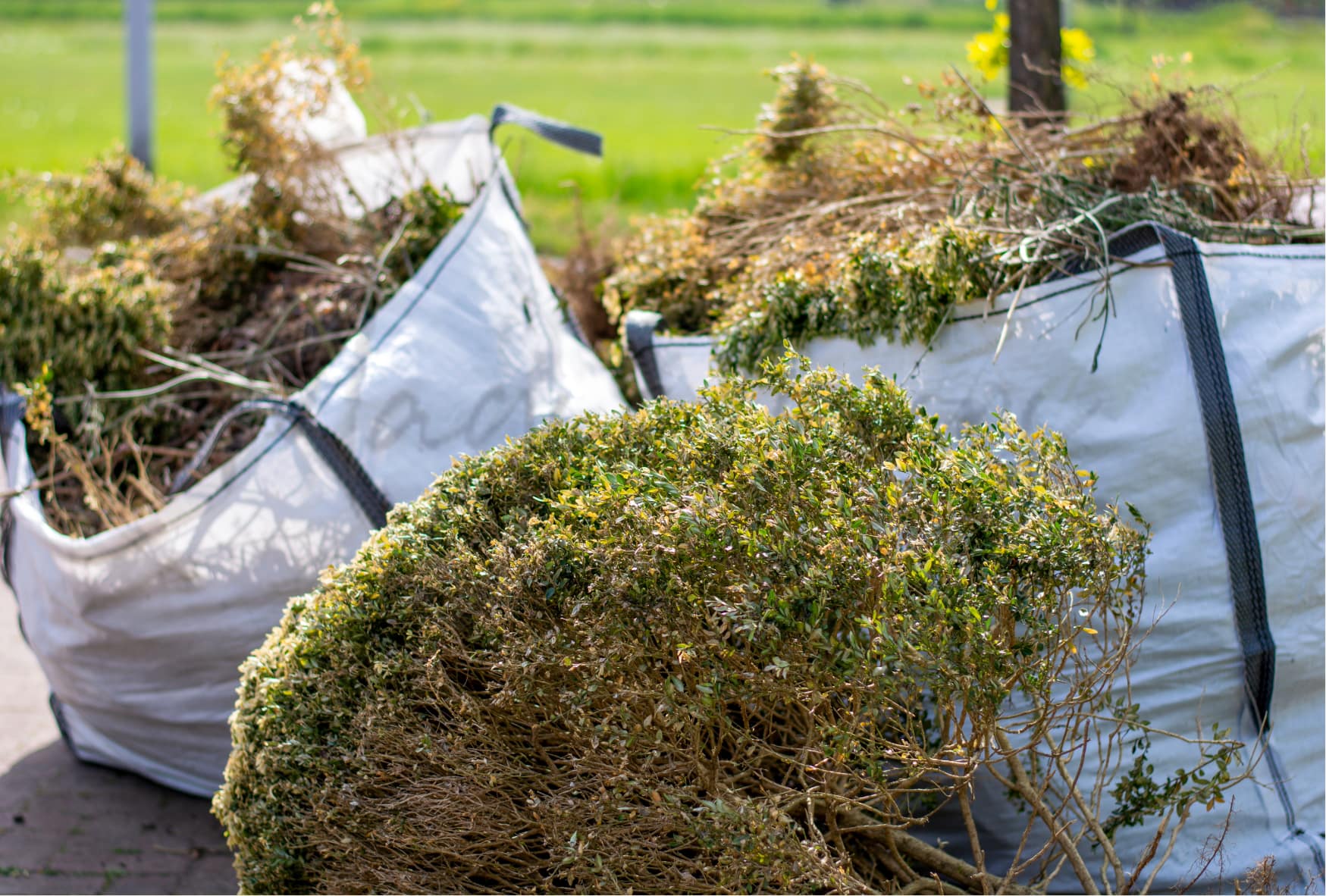
Every municipality has one. The isola ecologica (sometimes called centro di raccolta or ecocentro) is a staffed municipal recycling center where you can drop off anything that doesn’t fit normal collection – bulky items, electronics, construction debris from small renovations, hazardous materials like paints and solvents, garden waste.
It’s free to use as a resident. You’ll usually need to show an ID and confirm your address. Some require an access card.
TARI: the waste tax you’ll have to pay
Here’s the part nobody tells you about until it arrives in the mail. Italy has a waste collection tax called TARI (Tassa sui Rifiuti), and if you live in or own a property in Italy, you’re paying it.
TARI is calculated based on two things: the size of your home (in square meters, garage and terraces included – only habitable surface) and the number of people living in it. The exact rate varies by municipality – two identical apartments in different towns could have quite different TARI bills. A family of four in an 80m² home pays roughly €325 per year on average, though this varies.
If you’re a tenant renting for more than six months, TARI is generally your responsibility unless your lease says otherwise. If you’re an owner, it’s yours regardless. And if you don’t register with the local Comune (specifically the Ufficio Tributi), the municipality can still charge you retroactively – not registering doesn’t get you out of it.
TARI arrives once a year in two installments. Don’t ignore it.








 English
 French
 German
 Italian
 Danish