

One of the best things about living in Italy is definitely its almost free healthcare system. Of course, life in Italy, as anywhere else, has its downsides, but when it comes to medical care you can rest assured that if something happens, you won’t pay thousands and thousands of euros in medical visits – whether you’re going public or private.
But how does this system work? In this guide, we’ll explore everything: how to register for healthcare in Italy (SSN), what documents you’ll need, and how to choose your family doctor.
What the SSN is
The SSN (“Servizio Sanitario Nazionale”) is Italy’s national healthcare system. Once you register, you gain access to public healthcare, including a family doctor, specialists (with a referral), and hospitals. While some services are free, others require a really small fee (called a “ticket”).
Healthcare is managed at the regional level, so procedures may vary slightly depending on where you live. For this reason, always make sure to check the official local health authority (ASL), which is the body responsible for carrying out the duties of the SSN in a specific area. You can easily find it online, here are the different names:
- ASDAA – Alto Adige
- ASP and ASM – Basilicata (for Potenza and Matera)
- ASP – Calabria and Sicily
- AUSL – Emilia Romagna, Tuscany, and Umbria
- AAS – Friuli Venezia Giulia (and ASUI for the university section)
- ASUR – Marche
- ATS – Lombardy and Sardinia
- ASREM – Molise
- APSS – Trentino
- AUSL VDA – Valle d’Aosta
- Azienda ULSS – Veneto
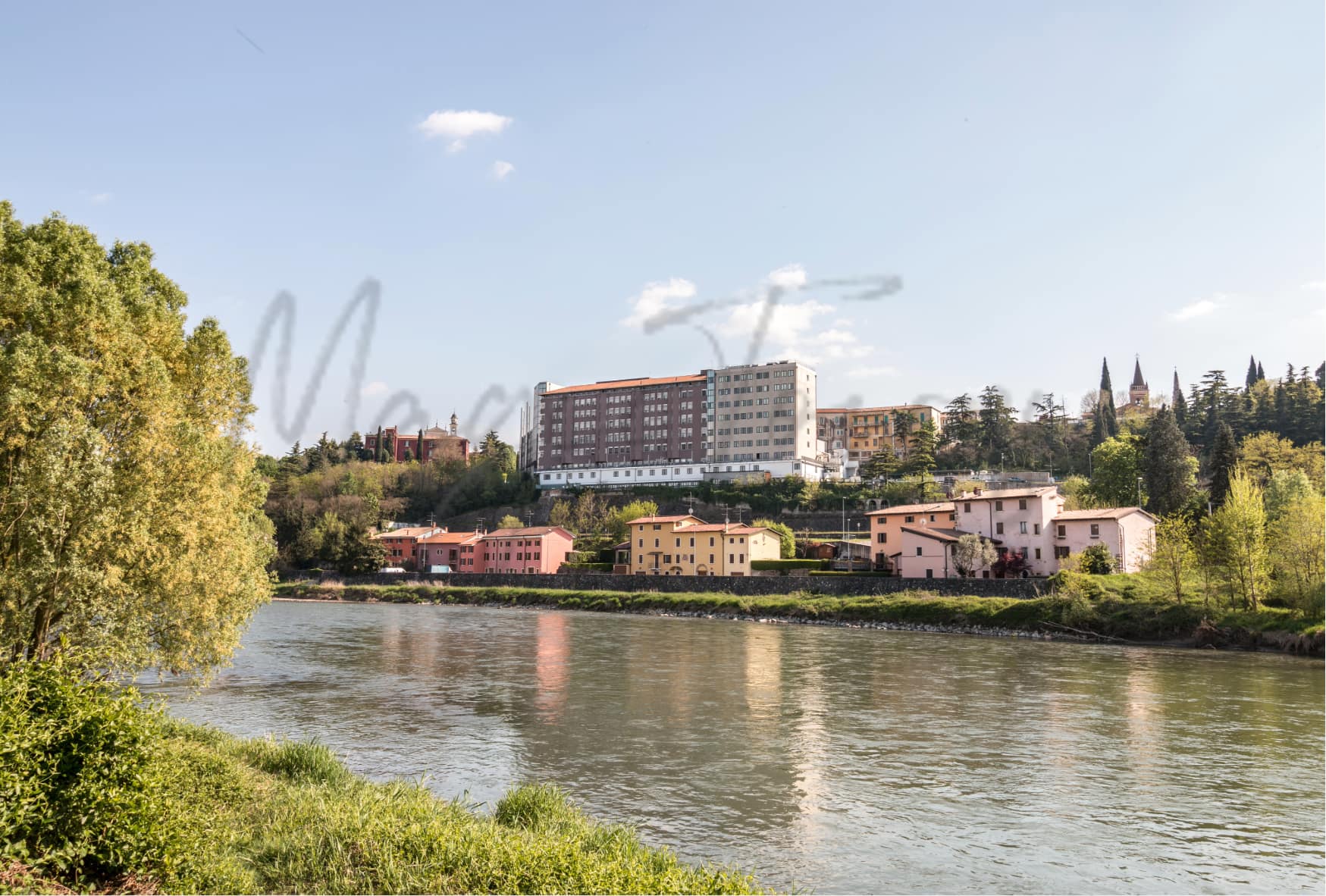
On that note, if healthcare is one of your priorities, you can use our Town Explorer and filter by proximity to hospitals – every city comes with a detailed overview of the general quality of hospitals there (strengths/areas for improvement etc).
Who Can and Who Cannot Register for Italy’s SSN
In Italy, access to the National Health Service depends on your legal residency, not your nationality. If you meet the requirements, you can register through mandatory enrollment at no cost. If not, you still have the option to sign up through voluntary enrollment, which comes with an annual fee (typically around €2,000 or about €700 for students and au pairs).
Mandatory Registration
This is free for:
- EU citizens who are working (as employees or self-employed), registered with job centers, or taking part in training programs, along with their family members;
- Pensioners;
- Students;
- Non-EU citizens with regular residence permits who are:
- Employed (dependent or self-employed);
- Registered with employment centers;
- Family members of employed individuals;
- Seeking asylum or under humanitarian protection;
- Awaiting adoption or foster care;
- Engaged in religious activities with regular employment;
- Pregnant.
Note: Non-EU citizens cannot register if they are staying in Italy for less than 90 days (e.g., tourist visa), hold a medical treatment permit, or are over 65 years old with a family reunification permit.
Voluntary Registration
Available for foreigners with a residence permit exceeding 90 days who are not automatically entitled to SSN coverage. Here’s the full list:
- Students and au pairs, even if their stay in Italy is less than three months.
- Individuals holding an elective residence permit who are not engaged in any work.
- Religious personnel who are not required to register automatically.
- Diplomatic and consular staff from foreign missions in Italy, except for those employed under Italian contracts, who must register with the national health service.
- Foreign employees of international organizations operating in Italy.
- Foreigners taking part in volunteer programs.
- Parents over 65 entering Italy for family reunification.
- Any other categories identified as exceptions, i.e., those who are not covered by mandatory SSN registration rules.
On the other side, if you’re a foreigner in Italy on a visa for medical treatment or tourism, you cannot sign up for the SSN voluntarily.
As I mentioned before, it requires payment of a contribution, is valid for the year and it extends to family members who are financially dependent.
Healthcare Access for EU (and EFTA) Citizens in Italy
If you are a citizen of the European Union or an EFTA country (Iceland, Liechtenstein, Norway, or Switzerland) and plan to stay in Italy for 90 days or less, you can access healthcare services in Italy using your EHIC – European Health Insurance Card (known in Italy as the TEAM card) issued by your home country. This allows you to receive healthcare on the same terms as Italian citizens, meaning you generally won’t have to pay anything beyond any applicable ticket.
However, keep in mind that the EHIC is only meant for temporary stays and emergency treatment and does not replace proper SSN registration for residents. So if you are moving to Italy for the long term, you’ll need to obtain official residency and register with the SSN. In this case, registration is mandatory and free for those staying for work or family reasons. To register, you will generally need:
- ID document (passport or national ID)
- Italian tax code (codice fiscale) – if you don’t have one yet, it can be requested from the Italian Revenue Agency
- Copies of documents related to your situation, such as:
- Employed worker (including seasonal work): employment contract
- Self-employed or freelance worker: registration with the Chamber of Commerce, professional registry, or other official body, plus proof of VAT registration or INPS contribution
- Family member of a worker: self-declaration of fiscal dependency (for direct relatives or adult children), marriage certificate (translated), children’s birth certificates with parental information, and “Residence Card for family members of EU/Italian citizens” if the family member is non-EU
- Former EU worker who is involuntarily unemployed: previous employment contract and self-declaration of registration at the local employment center
- S1 certificate holders: the S1 form itself
If you are in Italy for study or elective residence, including accompanying family members, you must provide proof of health insurance or other valid coverage for the entire national territory.
Healthcare Access for Non-EU Citizens in Italy
As mentioned above, if you are a non-EU citizen (including from the US, UK, Canada, Australia, etc.) and your residence permit is for work (employed or self-employed), family reasons, asylum, or certain other special categories, you are eligible for free SSN registration. If you don’t fall into these categories but hold a residence permit for more than three months, you can still register voluntarily by paying an annual fee.
All children, regardless of their residency status, are entitled to healthcare: those aged 0–14 are assigned a pediatrician, and those aged 14–18 are assigned a general practitioner.
To benefit from SSN services, you must register with your health card (tessera sanitaria). And once that’s done, your SSN coverage is valid for the duration of your residence permit. Upon its expiration, after renewing your permit, you should return to the ASL to renew your SSN registration and receive a new health card.
So, here’s a table summarizing everything (for both EU/EFTA and non-EU citizens):
| Situation | Requirement | Type of Registration |
|---|---|---|
| EU/EFTA citizens staying ≤ 90 days | EHIC / TEAM card from home country | No SSN registration |
| EU/EFTA citizens working or self-employed | Work contract or proof of contributions | Mandatory |
| Family member of EU/EFTA worker | Dependent/family | Mandatory |
| Former EU worker, involuntarily unemployed | Previous contract + registration at employment center | Mandatory |
| EU/EFTA students or elective residents | Enrollment in recognized course or proof of sufficient resources + insurance | Voluntary |
| Non-working EU/EFTA stay > 3 months | Residency registration + proof of resources + insurance | Voluntary |
| Non-EU citizens with mandatory registration reasons | Work, family reunification, study, asylum/humanitarian protection, religious activity, pregnancy, etc. | Mandatory |
| Non-EU citizens not covered by mandatory registration | Residence permit > 3 months | Voluntary |
| Non-EU citizens with short-term stay (<3 months) or medical/tourism permit | Short-term residence or medical/tourism permit | Cannot register |
How to Register And Choose a Family Doctor (‘Medico di Base‘)
If you have your residence permit, you must have your Italian tax code (CODICE FISCALE) to register with the SSN. Usually, all you need to do is go to the Agenzia delle Entrate with your passport and residence permit, and you’ll get it issued on the spot or within a few days.
Once you have your codice fiscale, here are the next steps:
- Go to your local ASL office (check the list in the first paragraph)
- Bring your documents:
- Identity document (passport or national ID)
- Italian tax code (codice fiscale) issued by the Revenue Agency
- Residence permit or the receipt confirming your application for a new or renewed permit
- Registration and health card: once registered, you’ll get a list of available doctors in your area. Choose one as your primary doctor, but don’t worry, this choice isn’t permanent. You can easily change them later online (or sometimes even at a pharmacy) in just a few minutes. You will also receive your TESSERA SANITARIA (Italian health card), which is basically a card displaying your codice fiscale and allows you to access healthcare services. While you wait, the ASL can provide a temporary certificate so you can access healthcare immediately.

Sources:








 English
 French
 German
 Italian
 Danish