


When you come to Italy, especially if you’re heading to a big city, finding a shared flat with roommates might be your best (or only) option. While sharing a space can sometimes require compromises, the benefits are numerous. Not only is it a more affordable choice, but it will likely help you manage your time more efficiently, as household responsibilities are shared with your roommates. And best of all, you’ll always have a bit of company to make your experience less lonely and more fun!
In this guide, we’ll walk you through everything you need to know about shared housing, from rental contracts and insurance to the best platforms for finding a place. If this is your first time looking for a shared flat in Italy, check out our article “A Comprehensive Rental Guide for Expats in Italy”.
Average Costs of Shared Flats in Major Cities
Rent prices depend on three main factors: the city, the neighborhood, and its accessibility to public transport. Below is an approximate monthly cost breakdown for a shared flat, excluding utilities, ranging from shared to private rooms. Please note that these prices are averages for 2024/2025 and may vary.
| City | Monthly Rent (shared – private rooms) |
| MILAN | €400–€800 |
| FLORENCE | €400–€650 |
| ROME | €450–€600 |
| VENICE/MESTRE | €450-€600 |
| TURIN | €400-€600 |
| BOLOGNA | €300–€600 |
| VERONA | €330-€600 |
| TRENTO | €300-€450 |
| PADUA | €250-450 |
| NAPLES | €250–€400 |
Rental Contract Types
These are typically the most common types of contracts offered for shared flats:
- Joint Tenancy Agreement (“Contratto di locazione solidale”): all tenants sign the same lease and are collectively responsible for paying rent and building fees. Each tenant is expected to pay their portion, but if one fails to do so, the others may have to cover the shortfall and take legal action against the defaulter.
- Individual Rental Agreement (“Contratto di locazione individuale”): one of the most common contracts, especially for students and young professionals. The landlord rents out individual rooms (or beds), and each tenant has a separate agreement. Shared spaces like bathrooms, kitchens, and living rooms remain communal. If one tenant fails to pay, the others are not held responsible.
- Subletting Agreement (“Contratto di subaffitto”): it occurs when a tenant who has signed the main lease rents out a room or a bed to someone else. However, the primary tenant remains responsible for ensuring the full rent is paid to the landlord and handling any issues related to the subtenant.
Essential Insurance for Shared Flats
In many cases, you don’t have to worry about taking out home insurance, because the property owner typically has a policy that covers structural damage or general property damage (such as fire or water damage). However, this usually doesn’t cover damage to your personal belongings or any damage you might cause to third-party property. In that case, you have two main options for coverage:
- Home Contents Insurance (“Assicurazione mobilia domestica”): covers damage caused by fire, water leaks, natural disasters, theft, and glass breakage.
- Liability Insurance (“Assicurazione Responsabilità Civile”): covers costs for accidental damage to third-party property. For example, if a roommate accidentally breaks a sink or scratches the floor, this insurance typically covers the repair costs.
In sublease models, the primary tenant usually takes out insurance that covers all roommates. Alternatively, tenants can jointly sign a household insurance policy that combines both home contents and liability coverage.
The main companies that offer home insurance are Allianz, AXA, Generali, Genertel, Reale Mutua, Società Cattolica, UnipolSai and Zurich. However, there are many other online options available, such as Prima Assicurazioni and Baloise.
Best Platforms to Find a Shared Flat
Facebook Groups
Personally, it’s the platform I’ve used the most to find a room away from home. There are various groups based on the city you want to move to, for both students and non-students. It’s a great way to find rooms without agency fees, making it a more affordable option. However, be wary of scams: never pay a deposit before seeing the apartment in person.

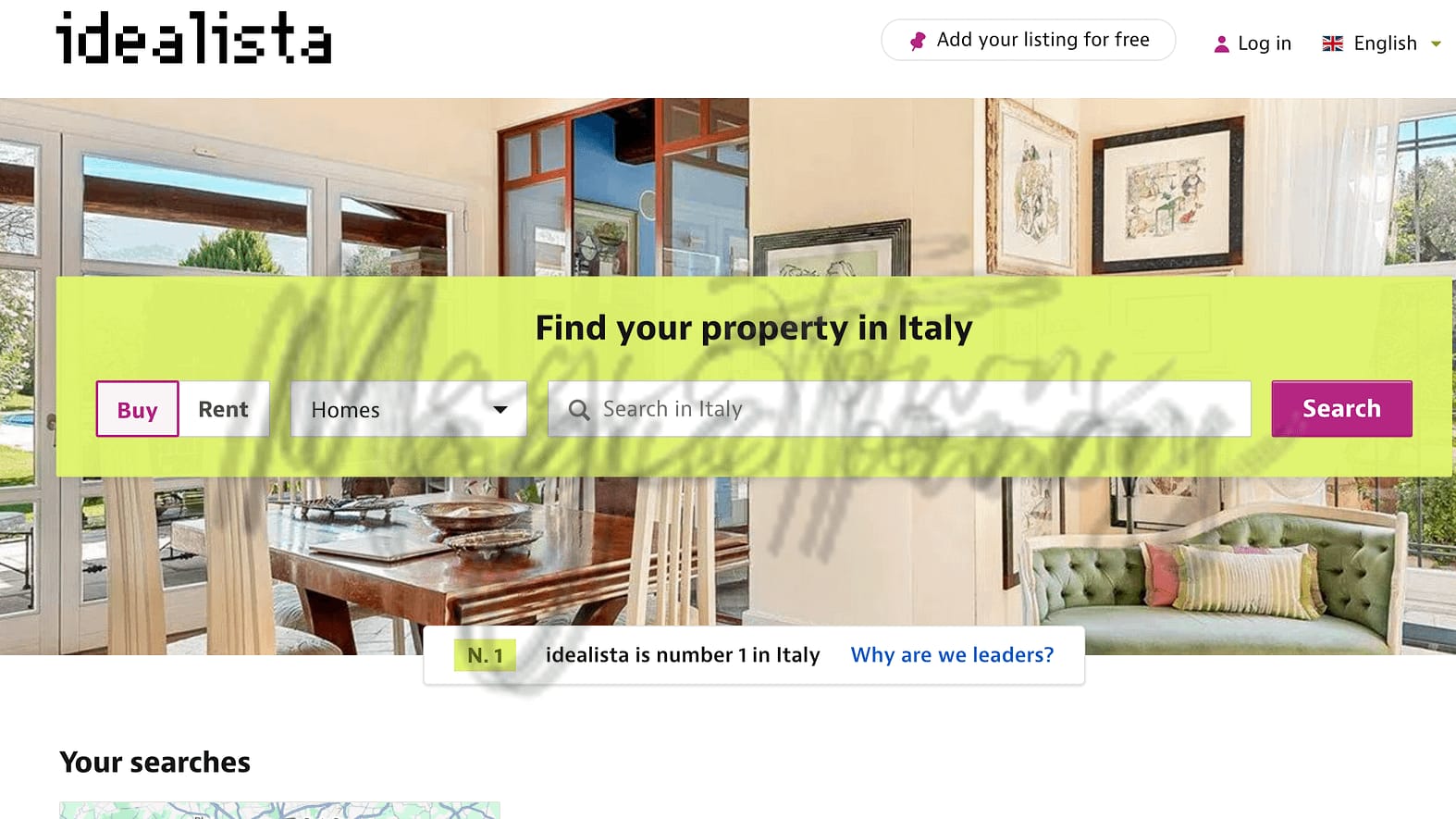
Idealista
One of the most used platforms in Italy, featuring listings from both private landlords and agencies. Since many ads come from private owners, you can often avoid agency fees.
Immobiliare.it
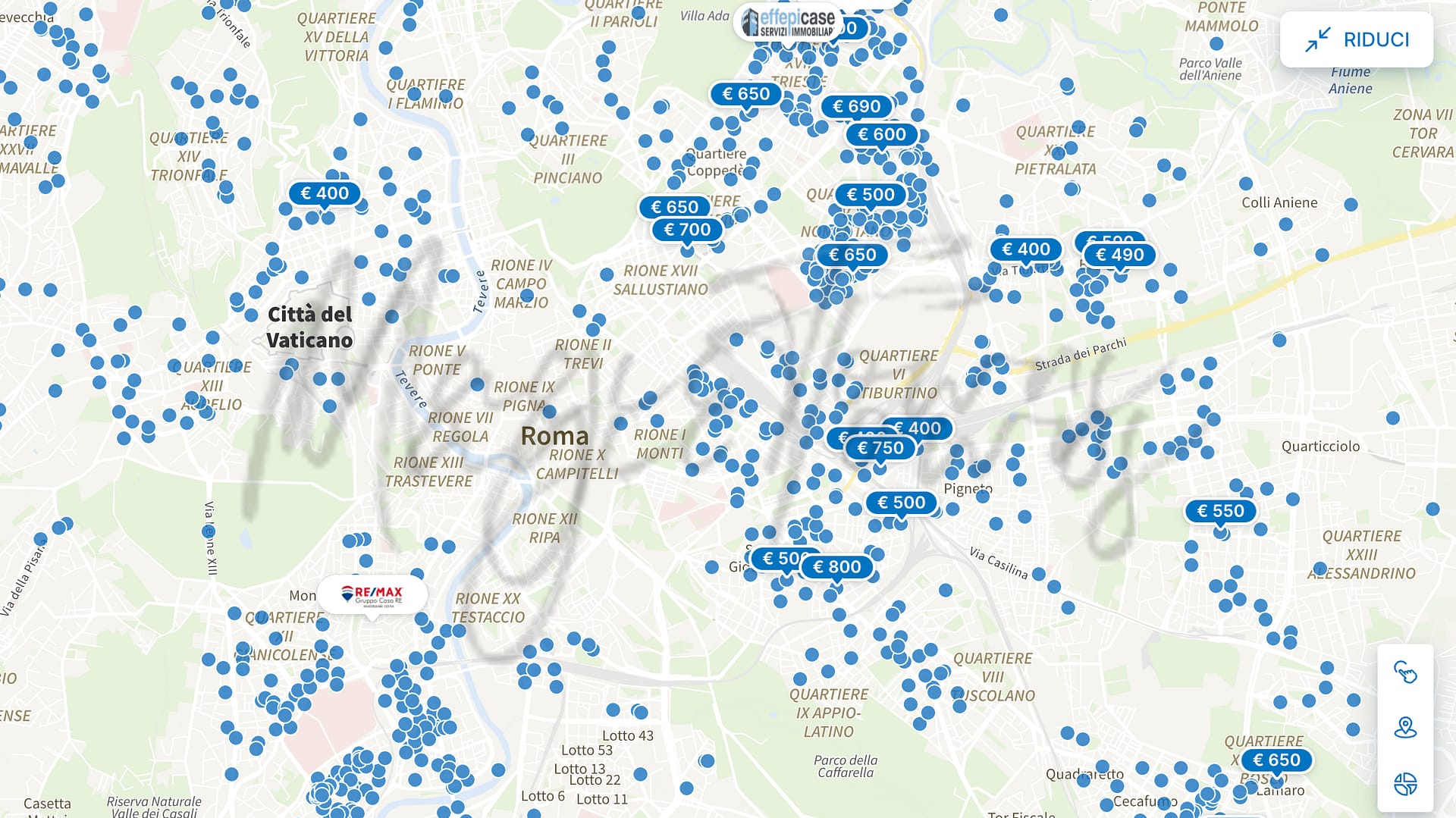
Similar to Idealista but 100% Italian-owned. Many listings are from agencies, which can mean more reliability but also higher fees. One interesting feature of this platform, also available on Idealista.it, is the ability to draw directly on the map to define the specific area of the city you are interested in.
Subito
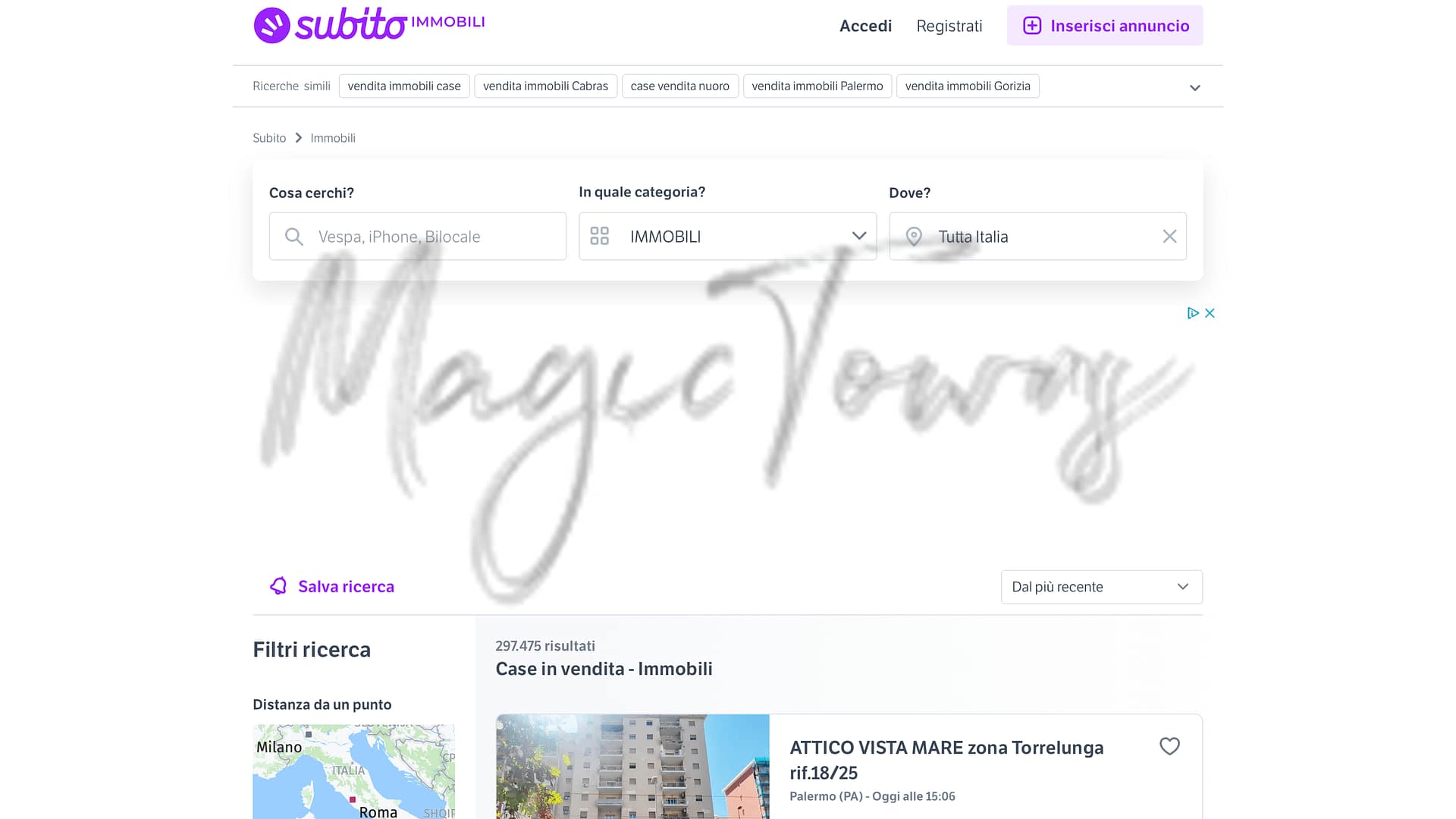
Another platform where you can find rooms or entire apartments for rent. It is not exclusively dedicated to real estate, so it has more basic search filters compared to Idealista and Immobiliare.it. By the way, it offers different options, not just for big cities but also for small towns.
Alternative Housing Options
If you’re looking for a cheaper option, some Italian cities offer alternative living solutions. For example, in Milan, programs like “Prendi in casa” allow tenants to live in a private room within an elderly person’s home. Instead of paying traditional rent, tenants contribute around €250-280 per month towards household expenses while providing light assistance in daily tasks, maintaining autonomy while enjoying an affordable stay.
Finding a home can sometimes be frustrating, especially in a competitive market where demand is high. It often feels like just when you find the perfect place, someone else snatches it up. To improve your chances, focus on the platform that suits you best and stay active on it. Speed is key!
Visit Our Town Explorer and Find Your Magic Town!
Still undecided about the best city for you? Use the filters and search bar to explore over 1,500 towns and cities across Italy. Refine your search by amenities, infrastructure, and lifestyle factors.
Further Reads
- The 7% Flat Tax Towns Are (Almost Certainly) Not Dropping Back to 20,000
- What People Say About Living in La Spezia
- Blue Zones: The Secret of Longevity in Sardinia
- Five Italian Towns With Sea And Mountains Under An Hour Away
- What People Say About Living in Mantova








 English
 French
 German
 Italian
 Danish