
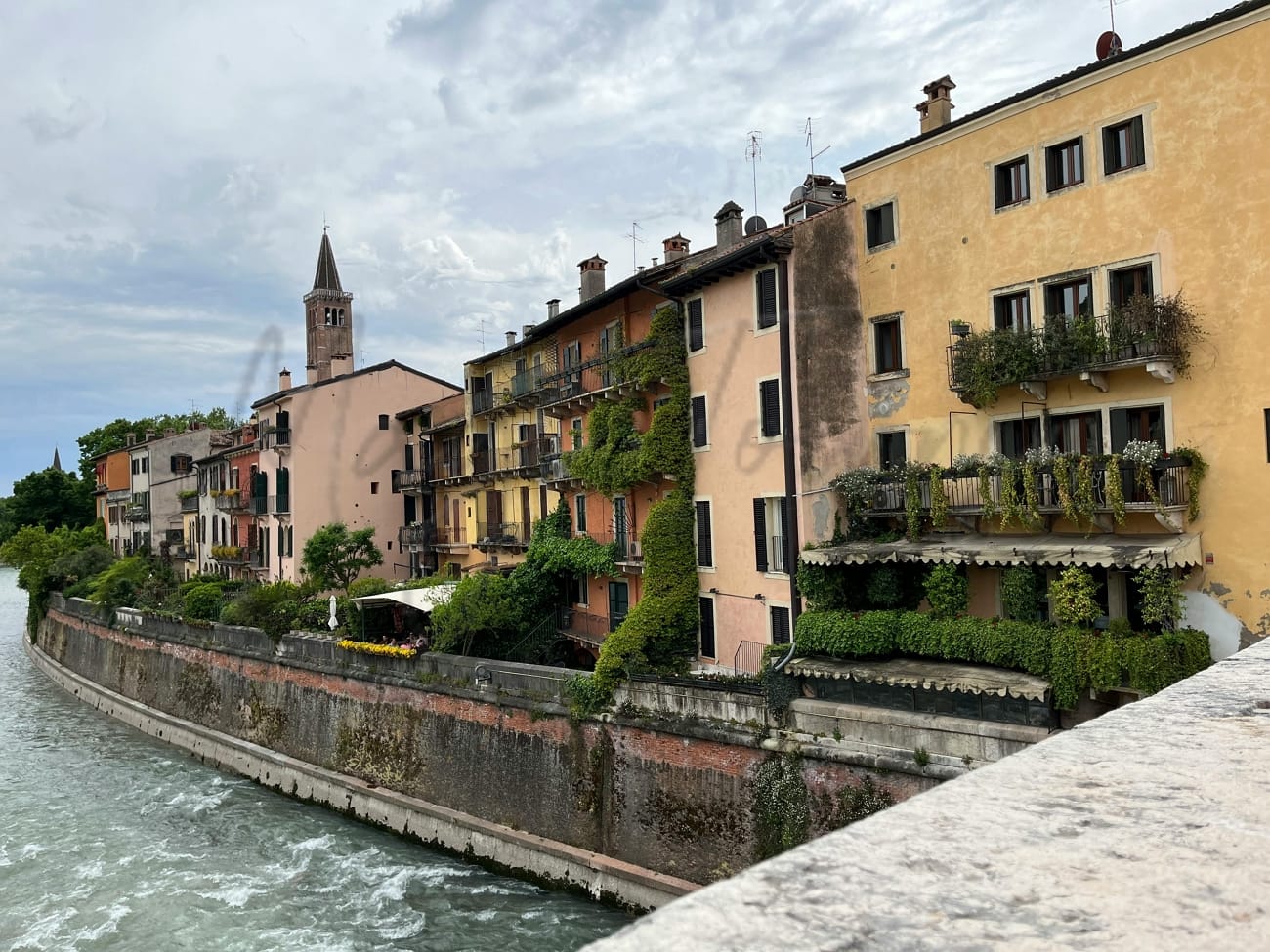
High quality of life, medieval historic roots, and a booming economy, what’s not to love about the beautiful city of Verona? Now, couple it with its amazing public transport system, and it becomes the perfect place for your next visit. Go through our detailed guide below to learn everything you need to know about the city’s transport system.
Key Takeaways:
- The Aerobus shuttle is the best way to reach the city center from Verona Airport, as it runs every 20 minutes for just €6. Taxis are available too, but they cost between €20-€35.
- ATV buses cover the city well, with tickets available via offices, retailers, or the Ticket Bus Verona app. A daily ticket for €5 offers unlimited rides, and a 10-ticket carnet (€12.50) is ideal for regular travelers.
- Verona Porta Nuova is the main train station with high-speed connections to Italy and beyond. Porta Vescovo is great for regional travel, while San Martino Buon Albergo offers local service along the Milan–Venice route.
- You can find affordable bikes for daily(€2), weekly (€5), and monthly (€10) subscriptions. Other than that, the town is very walkable with beautiful scenes.
Verona Airport to the City Center
Arriving at Verona Villafranca Airport (Valerio Catullo Airport)? You’re just about 10 kilometers away from the heart of the city. The Aerobus shuttle service is your direct link, which operates daily from 5:35 AM to 11:10 PM. Departing every 20 minutes, this shuttle whisks you to Verona Porta Nuova Railway Station in approximately 15-20 minutes.
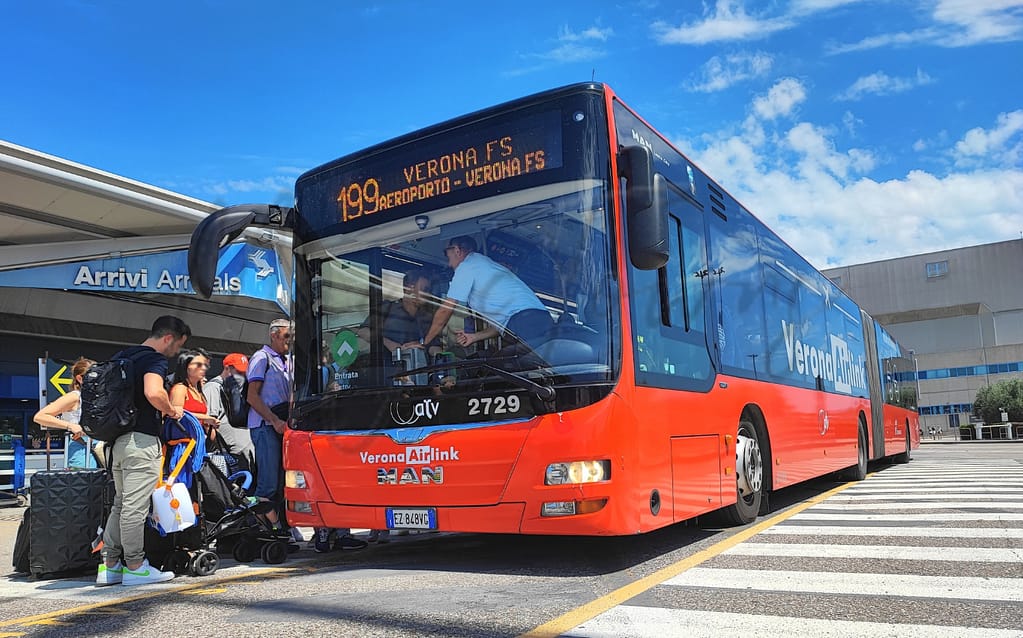
A one-way ticket costs €6 and is valid for 75 minutes, which allows for easy transfers to other city buses if needed. Tickets can be purchased directly on the bus, at the airport, or via the ATV website. But if you prefer a taxi, you’ll find them queued outside the Arrivals terminal, ready to take you to the city center for around €20 to €35.
Verona by Bus
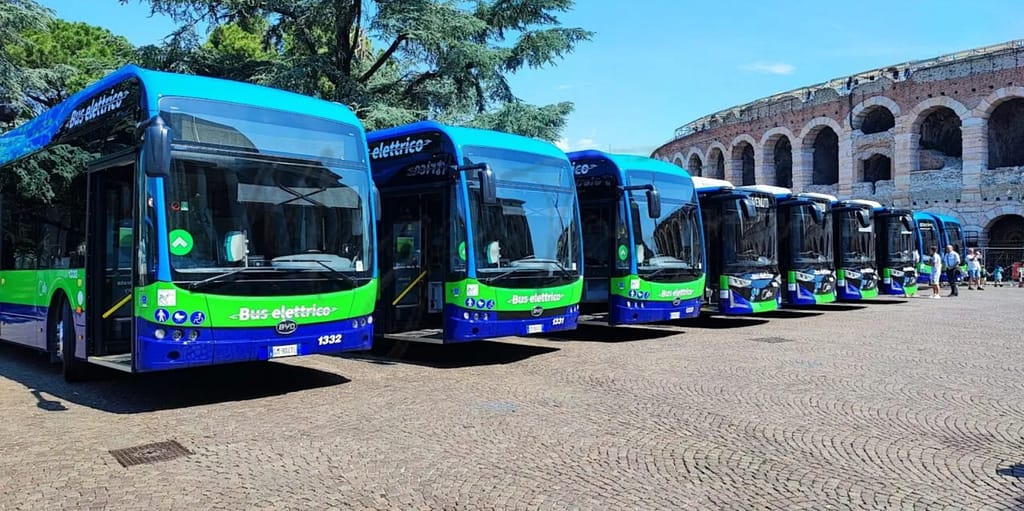
Verona’s public bus network is operated by Azienda Trasporti Verona (ATV), and is both extensive and efficient. You can rely on it as it covers the city and its suburbs comprehensively. Buses generally run from 5:00 AM to midnight, so you can catch the sunrise over the Adige River or enjoy the city’s vibrant evening scene without worrying about finding a bus.
Here are the places where you can get tickets from:
- ATV Offices: The main source of the tickets is to visit the main office at Piazza Renato Simoni, 12.
- Authorized Retailers: Newsstands, tobacco shops, and tourist information centers often sell tickets.
- Ticket Bus Verona App: You can purchase and store tickets digitally on your smartphone. However, the app often stops working, so make sure you don’t lose your money.
While purchasing tickets, you can choose the following options according to your needs:
- Standard Urban Ticket (€1.50): Ideal for occasional travelers, this ticket is valid for 90 minutes across Verona’s urban network.
- Urban Ticket for Groups (€8.00): Designed for groups of four people, this ticket allows a round trip within a 90-minute limit.
- On-Board Urban Ticket (€2.00): Purchased directly from the bus ticket machine, it is only valid for a one-way trip without transfers. Also, note that the machine does not provide change.
- 10-Ticket Carnet (€12.50): Perfect for frequent but non-regular travelers, this carnet includes 10 tickets, each valid for 90 minutes. It must be presented as a full set and is non-transferable.
- Daily Ticket (€5.00): Great for unlimited travel within 24 hours, this ticket can be used by one adult and a child under 14. It also offers a €2.50 discount compared to buying individual tickets.
Since it can be confusing to navigate the travel routes for recent visitors in Verona, here are a few tips:
- Lines 11, 12, 13, 51, 52: These routes will get you to the iconic Arena di Verona, a must-see Roman amphitheater.
- Lines 21, 22, 23, 24, 41, 61: Get on these buses to reach Castelvecchio, a stunning medieval fortress, which is now housing an art museum.
Verona by Railway
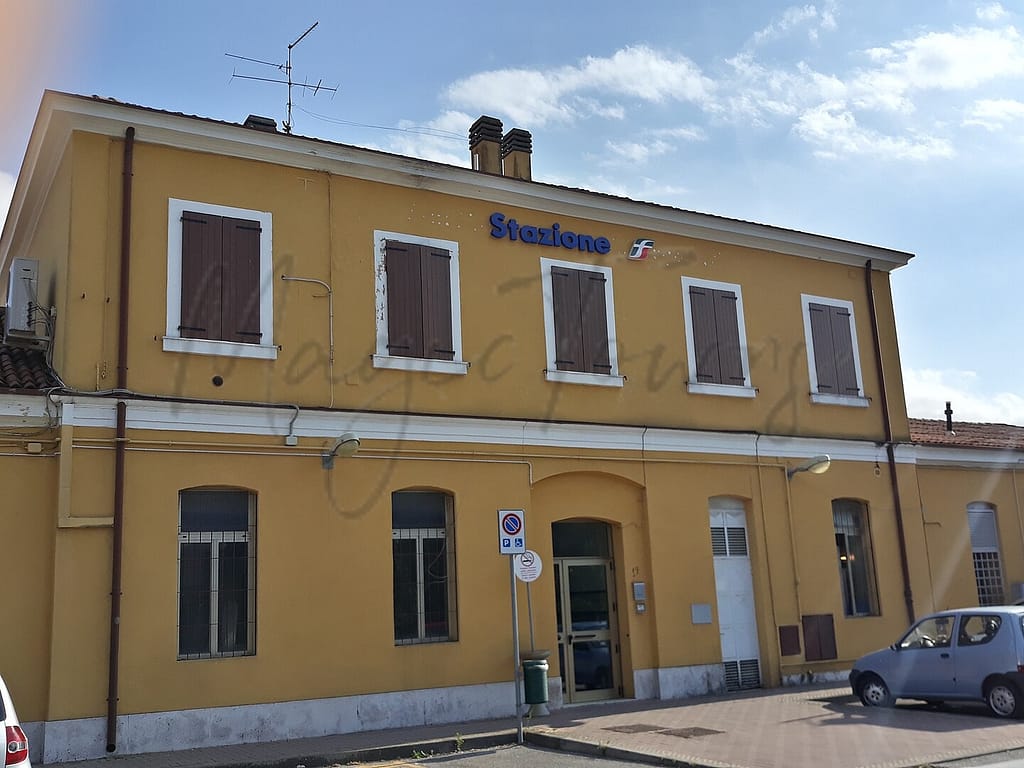
Apart from an established bus network, Verona’s railway network is really well-connected. It has three key railway stations for you to travel to other Italian cities or venture internationally. Below is a breakdown of these stations and what they offer:
Verona Porta Nuova
It is the city’s primary railway station, and serves 77,000 passengers daily by offering extensive domestic and international train connections. Rating-wise, we would give it 10/10 due to its vast network and accessibility. Additionally, trains depart frequently throughout the day to ensure flexible travel options.
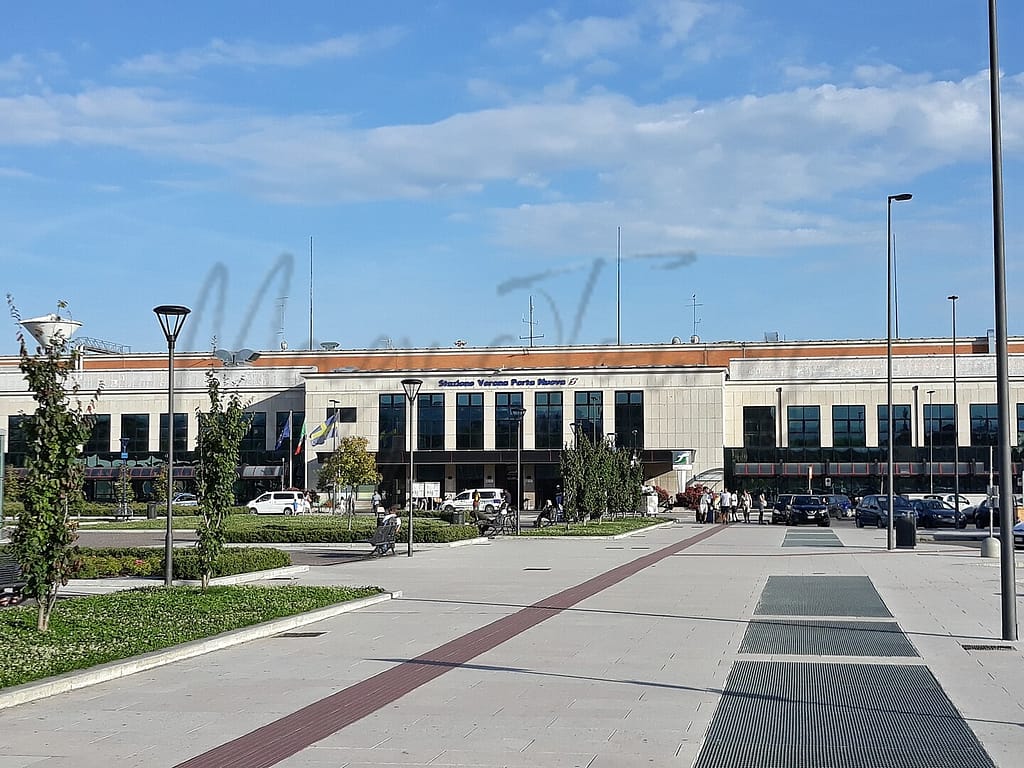
You can hop on these trains for as little as $6.87 to go to the nearby city of Trento. It not only allows direct trains to Milan, Venice, and Rome, but also international destinations like Germany, Switzerland, and France.
Verona Porta Vescovo
Verona Porta Vescovo is a smaller station than the previous one and primarily serves regional and express trains. We would give it a 6/10 rating due to its proximity to the city center, which is just 10 minutes away.

The station is also connected with other cities, like Vicenza, Padua, and Venice, for quick travel. It takes 4 minutes and about £2 for a one-way ticket to reach Porta Nuova from this station.
San Martino Buon Albergo
If you have a car and are looking for another station that serves different destinations near Verona, you should consider the San Martino Buon Albergo station. It is located on the Milan–Venice railway line and its direct routes include trains to Verona, Vicenza, Padua, and Venice. For local travel within the city, you can get a ticket for about £2. Since this is a small station, you won’t find any high-speed trains here.
Verona on Two Wheels
I’d say the best way to enjoy traveling around the city is to either go on foot or by a two-wheeler. Cycling through Verona’s charming streets and along the Adige River is both delightful and practical. You can rent bikes from various outlets or utilize the Verona Bike renting service. Subscriptions are affordable, with daily, weekly, and monthly rates available (€2, €5, and €10, respectively).
Each ride shouldn’t exceed 2-hour time period, or you can receive a penalty of £2 for a traditional bike and £4 for an electric bike. Additionally, many services also offer the first 30 minutes of each ride for free, so you can give this medium a shot. Just remember that you will need a credit card for registration.
Conclusion
As you can see, Verona’s extensive transport system, comprising buses, trains, and two-wheelers, makes exploring the city effortless. In short, I would recommend the ATV buses for affordability, trains for long-distance travel, and bikes for a scenic ride. I hope this guide was helpful, and see you soon again!







 English
 French
 German
 Italian
 Danish